


Imagine you’re two years old. For most of your life, you’ve just been surrounded by stuffed animals and blocks—maybe a few toddling buds from daycare. So far, the biggest event in your life is making a big poop. Suddenly, your parents tell you there’s a major family reunion this weekend.
A family reunion sounds exciting for a toddler. Balloons, singing, food, cake, lots of hugs and kisses. But within 30 minutes, a strange lady you’ve never seen scoops you up. A cousin pinches your cheeks. A baby you’ve never met grabs your toy. A loud uncle is yelling at a microphone.
So, Mom, when your usually friendly child suddenly throws a tantrum during a Christmas party or shies away from “strangers” at an event, keep calm. Ganito Mommy: nauubos ba yung social battery mo sa isang lunch? Or nao-overwhelm ka ba sa crowds? Imagine how things are for your toddler.
You don’t have to shield your child from crowds and family events. With a little preparation, you can help your toddler cope with the noise and crowd, while still enjoying the day yourself. Here’s how to prepare your toddler for a big family reunion.
How Does a Family Reunion Overwhelm a Toddler?

If adults can get overwhelmed by a simple parent brunch, think about how your toddlers feel during a loud family reunion!
To grown-ups, a family reunion is a happy occasion: beso-beso, salu-salo, karaoke. To a toddler, it can feel like being dropped into the middle of a petting zoo where everyone wants to touch you. Understanding what your child is experiencing makes it easier to respond with patience instead of embarrassment.
Noise and crowds equal sensory overload in toddlers.
Your toddler’s brain is rapidly developing in the first three years, and part of that growth is learning to filter sensory input. A room full of overlapping conversations where everyone is talking loudly to get a word in, clinking plates, a blaring videoke machine, cousins running in circles, and the smell of a dozen dishes can flood their system all at once.
When that happens, some kids melt down. Others go the opposite way: they freeze, cling, or suddenly “forget” how to walk and demand to be carried. Both are signs of a nervous system that has hit its limit, not bad behavior.
Take note, Mom. This isn’t limited to a family reunion. It can happen at another child’s birthday party, a theme park, and other overwhelming experiences.
Many unfamiliar faces expect familiarity.
To your toddler, Tito Ben from Cebu is a stranger, no matter how many times you’ve mentioned him. Stranger wariness is a part of development and can linger well into the toddler years.
The tricky part is that relatives often don’t feel like strangers to themselves. They remember holding your baby at the christening. So, when your child turns away from a kiss, it can sting, and parents feel pressure to make their child perform affection on command.
A family reunion usually entails a disrupted routine.
Babies and toddlers thrive on predictability: the same nap time, the same snacks, the same bedtime song. A family reunion usually throws all of that out the window. Lunch might be served at 2 p.m., the nap happens in a stroller (or not at all), and bedtime slides past 10.
A missed nap on its own may be okay. Combine it with noise, strangers, and a sugar rush from leche flan, and you have the recipe for a late-afternoon tantrum.
Your child may also pick up your stress.
Toddlers are attuned to their parents’ moods. If you’re tense about seeing a critical in-law, rushing to get out the door, or worried about how your child will behave, your little one will surely sense it. Kaya Mommy, preparing yourself matters just as much as preparing your child.
How to Prepare Your Toddler Before the Reunion
The work of a smooth, or at least manageable family reunion starts days before you arrive. Toddlers handle new situations far better when they’re not surprised by them. The best way to deal with toddler tantrums can mean planning early.
1. Introduce the family with photos and video calls.
About a week ahead, pull up photos of the relatives who’ll be there. Keep it light and repetitive: “This is Lola Nena. She makes the best pancit. She’s going to be at the party!" If you can, have a short video call with a grandparent or favorite aunt before the family reunion. You can also try sharing memories about your relatives. Turn it into your bedtime story a few days leading up to the event.
This tip may not be fool proof, but by the reunion, they may well point at their great-grandmother and say “Lola!” before anyone introduces her. You can also turn it into a game when your relatives arrive. Tell your toddler to match them with their pictures.
2. Play party at home.
Pretend play is how toddlers rehearse life. Set up a mini family reunion with stuffed toys or dolls: Teddy arrives at the party, says hi, eats some food, feels tired, and goes to a quiet corner to rest.
This gives your child language for what’s coming. It also plants a safety net for them: when the party feels like too much, it’s okay to take a break.
3. Read a story about big gatherings.
Picture books about birthday parties, weddings, or visiting grandparents help your toddler imagine the day. As you read, ask simple questions: “What do you think it will sound like? What will you eat? Who will you hug?”
4. Walk your child through the upcoming event, step by step.
Toddlers don’t understand “Saturday” or “in three days,” but they do understand sequence. Tell the story of the day in simple steps, and repeat it often:
“In five sleeps, we’ll ride the car to Lola’s house. Then we’ll see lots of family. It will be noisy and fun. We’ll eat lunch, then you’ll nap in the quiet room with your blanket. Then we’ll play with the cousins, and then we go home.”
For older toddlers, a simple picture schedule (car, house, food, nap, play, car) can make the plan feel concrete.
5. Practice greetings, but give your child options.
In many Filipino and Asian families, greetings matter: the mano, the beso, a hug for every tita and her third cousin. It’s fine to practice these at home but give your toddler more than one way to say hello.
Try offering a “greeting menu”: a hug, an apir, a wave, or a fist bump. Practice all four in a playful way. It’s low pressure and it allows your child choices in case they’re not yet warmed up. On the day, your child can pick what feels comfortable, and relatives still get a warm greeting.
6. Conserve sleep in the days before.
A well-rested toddler has far more patience for noise and crowds. In the two or three days before the family reunion, keep naps and bedtimes as consistent as you can. Avoid stacking other big outings that week. Think of it as filling their tank before a long drive.
How to Prepare Yourself Before the Family Reunion
Let’s be real. There is a high chance there might be some high emotions and meltdowns—and not just from your toddler. Getting your child ready is only half the job. The other half is setting yourself up so you’re calm, supported, and able to get through toddler tantrums unscathed. Who knows, you might just be able to catch up with relatives instead of just managing your child.
1. Set realistic expectations for the day.
Let go of the picture-perfect version where your toddler sings for the titos, eats everything on the plate, and poses sweetly for the group photo. A more realistic goal: your child gets through the day feeling safe, and you get a few good conversations in.
It helps to decide in advance what “success” looks like. Maybe it’s staying for three hours instead of eight. Maybe it’s one tantrum handled calmly. When your bar is realistic, a small wobble won’t ruin the day.
2. Get on the same page with your partner.
Have a quick five-minute talk before you leave. Who handles the nap? Who steps in when Grandma insists on feeding the baby dessert? What’s the signal that it’s time to go? It takes at least two people to fend off pushy relatives who’ll say, “Ano ba yan, may S ‘yong bata!”
Couples who skip this conversation often end up with one parent chasing the toddler all day while the other catches up with family. Agreeing on a “tag-team” schedule, like switching every hour, keeps things fair and lets both of you enjoy the family reunion.
3. Give the host or close relatives a heads-up.
This isn’t the ’90s where you feel obligated to make your kids compliant with adults. If your child is not ready to be chummy with newly met strangers, give them space.
That said, you can also talk to your relatives ahead. A short message to hounding titos and titas can avert potential overload. Maybe you can say, “Baby is at a clingy stage right now. Nagwa-warm up pa.”
If the family reunion is at someone’s house, check if there’s a quiet room or corner where they can unload or take a nap.
Most relatives are happy to help when they know what to expect.
4. Pack a toddler survival kit.
Think beyond diapers and wipes. The right items can turn an unfamiliar house into a place that feels a little like home. Your family reunion bag could include:
- Comfort objects: a favorite blanket, stuffed toy, or pillow for naps.
- Familiar snacks: party food may be too spicy, too sweet, or simply unfamiliar. Bring food your child already knows and likes.
- Noise-reducing earmuffs: a lifesaver during karaoke or fireworks.
- Quiet activities: stickers, a small board book, or a few toys they don’t see every day.
- A change of clothes (or two): for spills, puddles, and the inevitable sauce stain.
- A portable white noise machine or app: helps with napping in a strange room.
- Your own essentials: water, a snack, a phone charger, and pain reliever, because you matter too.
How to Help Your Toddler Cope During the Family Reunion
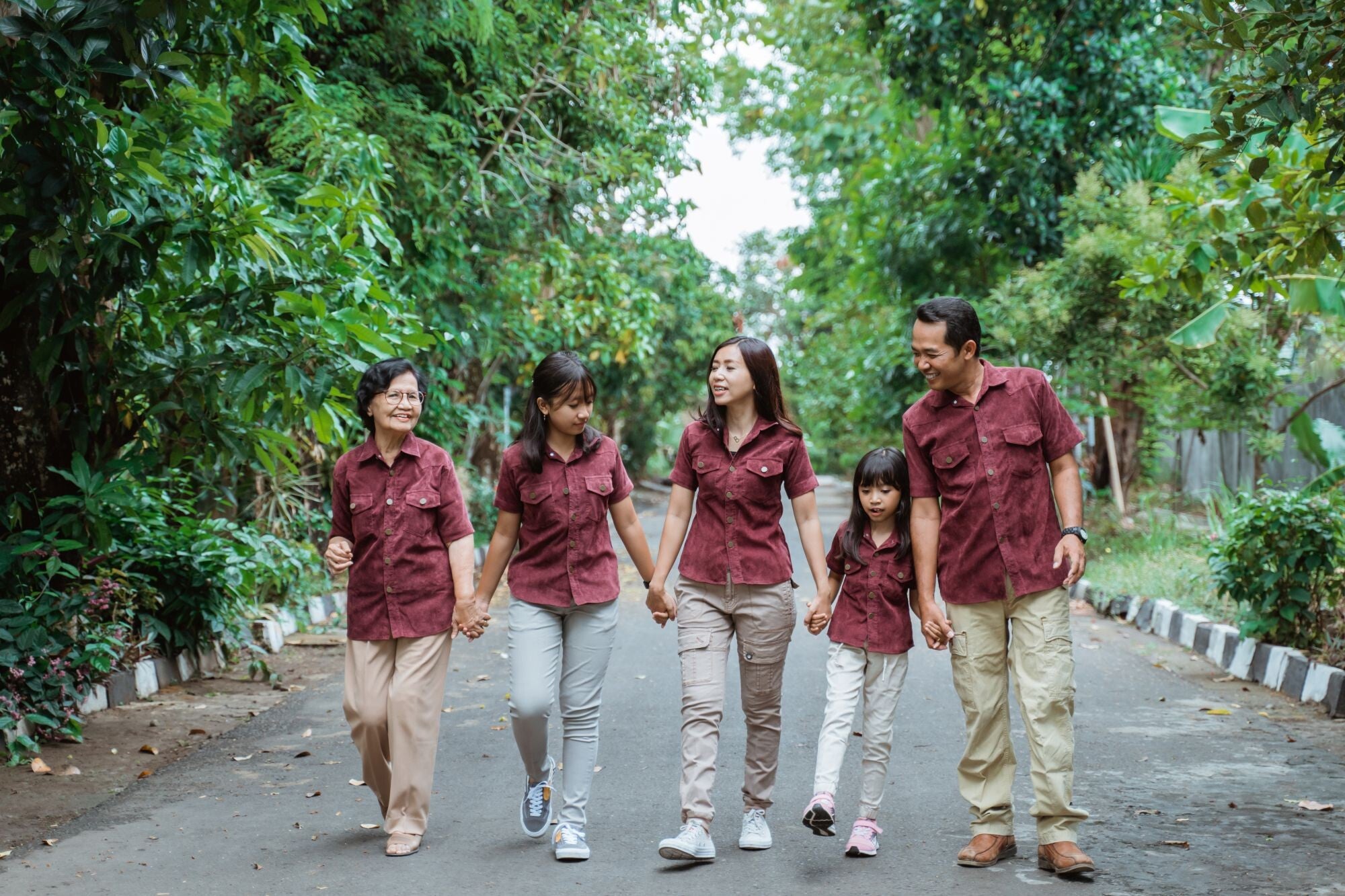
On the day of the family reunion, try to stay as calm as possible. A relaxed mindset will help set the tone for your child’s mood.
You’ve prepped, packed, and pep-talked. Now it’s game day. Take a deep breath. These strategies help your toddler settle in and recover when things get too loud.
1. Arrive early, if you can.
Walking into a packed, noisy house is much more overwhelming than watching guests trickle in one by one. If the host is family, ask if you can come 30 minutes early. Your toddler gets to explore the space, find the toys, and meet a few relatives while it’s still calm. By the time the crowd builds, the house already feels familiar.
2. Give your child a warm-up period.
When you first arrive, don’t rush to pass your toddler around. Hold them, or sit together at the edge of the room and just watch for a while. Narrate what’s happening: “Look, there’s Tito Mel cooking the barbecue. And there’s Ella, your cousin, with a ball!”
Many toddlers need 15 to 30 minutes of observing before they feel safe enough to join in. Once they wriggle off your lap on their own, you’ll know they’re ready.
3. Be your child’s gentle advocate.
At some point, a well-meaning relative will reach for your toddler, insist on a kiss, or tease, “Bakit snob yan?” This is where you step in, kindly but clearly.
Try scripts like these:
- “She’s still warming up. Maybe fist bump muna?”
- “He’ll come to you when he’s ready. Want to show him the toy truck instead?”
- “She’s a little overwhelmed. We’ll come find you after her nap!”
Setting boundaries isn’t rude. You’re teaching your child that their body and feelings are respected. Most relatives will happily wait, especially if you offer them another way to connect, like reading a book together or sharing a snack.
4. Find a quiet space.
Every family reunion needs a decompression zone. It could be a spare bedroom, a corner of the garden, or even your parked car with the air-con on (with you right there beside them). Scout it out early, before you need it.
When you notice early signs of overload, head there before the meltdown hits. Watch for rubbing eyes, getting unusually hyper, clinging, whining, or zoning out. Ten minutes of dim light, a snack, and a cuddle can reset your toddler enough to rejoin the party.
5. Keep a few routine anchors.
You can’t recreate your home schedule at a party, but you can keep a few anchors. Offer meals and snacks at roughly the usual times. Protect the nap as much as possible, even if it happens in a carrier or stroller. Do the same pre-nap ritual you do at home, like the same song or the same blanket.
These small, familiar moments tell your toddler, “Things are different today, but you’re still safe.”
6. Stay calm through a tantrum.
Even with perfect prep, a meltdown may still happen. Mom, this doesn’t mean you failed.
Focus on your child, not the audience. Hindi dyahe when kids are doing kid things. Move to a quieter spot, get down to their level, and keep your words simple: “It’s too loud. You’re tired. I’m here.” Skip the lectures and the bribes for now. Your calm presence is what helps them regulate.
And if an auntie comments, a simple “They’ve just had a big day” is all the explanation anyone needs.
Taking Care of Yourself at a Family Reunion
A family reunion shouldn’t mean spending five hours on toddler duty and going home drained. Your needs count too, and a calmer parent makes for a calmer child. Self-care never goes out of style.
1. Have an exit plan and permission to use it.
Decide before you arrive how you’ll leave if things fall apart. Will one parent take the toddler home while the other stays? Will you all leave after dinner, no matter what? Is there a relative’s house nearby where you can retreat?
Knowing you have a way out takes a surprising amount of pressure off. It also helps to prepare a short, friendly goodbye line, like “We’d better go while Baby is still smiling. It was so good to see everyone!” Leaving on a good note beats staying until everyone is stressed out.
2. Ask for help!
Remember the tag team idea? Take shifts so each adult gets real time off. While one parent handles snacks and bathroom trips, the other gets to eat a hot meal, join the group photo, or hear the full chismis of what happened in your hometown.
If you’re a solo parent, lean on a relative your child already trusts. A favorite tita or an older cousin can often keep your toddler happy for 20 minutes while you sit down and eat. A tiny break can do wonders for your mental, social, and emotional energy.
3. Handle unsolicited advice with grace.
Family reunions often come with a side of parenting commentary: “Too thin!” “Still in diapers?” “Iyakin naman niyan.” And they haven’t even begun comments about you! These remarks can be exhausting, especially when you’re already stretched thin.
You don’t have to defend every decision. A polite, neutral response usually ends the conversation: “Thanks, Tita, we’ll think about that.” Then change the subject. Save your energy for the people and moments that actually matter to you.
What to Do After the Family Reunion
Yes! The party is over, but your toddler’s nervous system may still processing everything that happened. Plan for a gentle landing.
1. Talk about the day together.
Look at the photos from the reunion with your child. Name the people and the fun moments: “Remember when you and your cousin blew bubbles? And Lola gave you a big hug!”
This helps your toddler make sense of the experience. It also builds familiarity with relatives before the next gathering, so the next family reunion is a little easier.
2. Expect a little fallout.
Don’t be surprised if your toddler is extra clingy, cranky, or wakes up at night after a big family reunion. This “post-party hangover” is common after a day of excitement, overtiredness, and broken routine. It usually passes within a day or two.
3. Schedule a quiet recovery day.
If possible, keep the next day low-key. Stay home, skip errands, and get back to the usual nap and mealtimes. Outdoor play, water play, and plenty of cuddles help burn off leftover energy and resets your child.
4. Do a quick parent debrief.
Reunions, parties, school. Kids will always experience an event that can overwhelm them. It’s up to you and your partner to manage it.
Once your little one is asleep, take five minutes with your partner. What worked? What would you change? Maybe the earmuffs were a hit but arriving at noon was too late. Jot down a few notes on your phone.
Frequently Asked Questions About Toddlers and Family Reunions
Should I force my toddler to hug or kiss relatives?
It’s better not to. Forcing affection can make a wary toddler more anxious and teaches them that their discomfort doesn’t matter. Offer other ways to greet, like a wave or high-five, and let hugs come naturally once your child warms up.
How long should you stay at a family reunion with a baby or toddler?
There’s no magic number. Many families find that a few hours, planned around the nap, works better than a full day. Some kids are also faster emotion regulators than others. Watch your child’s cues, not the clock, and leave while the mood is still good.
What if the family reunion is overnight or lasts several days?
Bring more of home with you: the same sheets or sleep sack, the white noise, and the bedtime books. Build in daily downtime away from the crowd, like a morning walk or an afternoon nap in a quiet room. Expect the first night to be the hardest.
A big family reunion will never run on a toddler’s schedule, and that’s okay. The goal isn't a perfectly behaved child or a stress-free day. It’s helping your little one feel safe in a noisy, loving crowd, while giving yourself room to enjoy the people you came to see.
Prepare your toddler ahead of the family reunion, pack for comfort, know where the quiet room is, and give yourself grace. With each gathering, your child will grow a little more comfortable with the faces, the noise, and the chaos. One day soon, they might be the ones dragging you to the dance floor.
Got anymore family reunion hacks? Share them on the ParenTeam Moms and Dads Facebook Group.
Related articles

10 Sleepy Time Activities for Kids: Bedtime Stories, Lullabies, and More
Turn sleepy time into your favorite part of the day. Try these 10 easy activities that calm busy hands, quiet little bodies, and bring you closer.
9 mins to read

12 Storybooks in Tagalog to Help Your Toddler Learn the Language
Looking for a storybook in Tagalog that your toddler will love? These picks build vocabulary, spark curiosity, and deepen your bond.
7 mins to read

Easy Pinoy Dinner Ideas Dads and Kids Can Cook for Mother’s Day
Need easy Pinoy dinner ideas? Surprise mom with a budget-friendly meal that dads and kids can quickly prep, cook, and enjoy together for a fun celebration at home.
6 mins to read

Where to Book a Christmas Photoshoot for Your Family
Your family's Christmas photoshoot deserves the perfect spot. Discover pro and self-shoot studios in and around Manila, plus tips on what to wear.
7 mins to read

How to Find a Green Flag Yaya for Your Toddler
Finding a green flag yaya starts with the right questions. Learn how to screen candidates, check backgrounds, and run a trial period for your peace of mind.
9 mins to read

6 Filipino Traditions to Teach Your Kids This Holy Week
Share these Filipino traditions with your kids this Lenten season. Guide them through Holy Week with these simple and meaningful family activities.
6 mins to read

GROWING TOGETHER: The Importance of Tracking Developmental Milestones in the First 2000 days. -2nd
The first 2,000 days are critical in shaping a child’s future—discover why every developmental milestone matters in these early years of growth and learning.
2 mins to read
GROWING TOGETHER: The Importance of Tracking Developmental Milestones in the First 2000 days.
The first 2,000 days are critical in shaping a child’s future—discover why every developmental milestone matters in these early years of growth and learning.
2 mins to read

Math for Kids: How to Instill a Love for Numbers Early
Math for kids doesn’t need worksheets. It needs stacked cups, sorted socks, and the games you’re already playing.
8 mins to read

25 Filipino Nursery Rhymes and Lullabies to Sing to Your Child
Explore this list of 25 Filipino nursery rhymes and lullabies. You can sing these songs to help your child learn, grow, and have fun!
9 mins to read

How to Survive Toddler Haircuts Without the Tears
Say goodbye to the struggles of toddler haircuts. Here are practical ways to make salon visits fun, tear-free, and comfortable for your child.
6 mins to read

Teach Kids Safety: 4 Ways to Gamify Your Family Emergency Plan
Practice your emergency plan with fun games that teach kids safety roles. You’ll help them stay calm, learn important contacts, and prepare for any disaster.
7 mins to read

8 Simple Ways to Inspire Healthy Eating Habits in the Whole Family
From trying new dishes to setting an example at the dinner table, here’s how parents can instill healthy eating habits for the entire household.
6 mins to read

Pedia Shares 3 Major Signs You May Have a Child With Special Needs
Here's what pedias want you to know if you suspect you have a child with special needs.
8 mins to read

How to Protect Your Active Toddler from Extreme Heat in the Philippines
Parenting in a hot climate can add to your stress levels! But your kids rely on you even more during these warmer days. Here's the TLC they need.
6 mins to read

15 Brain Games to Help Your Babies and Toddlers Learn!
No pricey toys required. These brain games need just one important thing: Mom or Dad. Get ready to have fun with your little one!
8 mins to read

How to Discipline a Child Without Hitting or Yelling
Disciplining your child without yelling or hitting? It’s possible with these effective tips that build better behavior.
4 mins to read

7 Teacher-Recommended Reading Strategies to Use at Home
Get your little one to build their reading skills with these expert tips and strategies from a teacher.
4 mins to read

How to Control Emotions: 9 Ways to Help Toddlers Who Feel Too Much
Toddlers feel big emotions but are still learning to manage them. Discover science-backed, mom-approved tips to guide meltdowns into calm without losing your cool.
6 mins to read


