


Moms and Dads, are you excited for Semana Santa (Holy Week)? Whether you’re going home to the province or staying in town, this is the perfect time to teach your child Filipino traditions.
These practices help your kids understand the importance of faith and family. You don’t need to know all the history—what matters is that you're doing it together as a family. Some Holy Week traditions can feel mabigat or intense, especially those that show Jesus’ suffering, so follow your child’s cues. It’s okay to leave early or skip parts if they feel overwhelmed.
Here are six traditions you can adapt for toddlers and preschoolers to make this week special.
1. Palaspas (Palm Sunday)
Holy Week officially starts with Palm Sunday or Linggo ng Palaspas. Point out the creative designs of the woven palm leaves to your kids. They’re usually curious about these unique shapes and designs.
It’s best to bring them to Mass early since the blessing of the palms happens right at the start of the ceremony. If your child struggles with crowds, standing near an aisle can make them feel calmer.
How to explain it: Tell your child that waving the palaspas is like waving a flag to welcome a King. It highlights the joy of Jesus’ arrival in Jerusalem. After Mass, place the blessed palm on your door or altar. According to the National Museum of the Philippines, many Filipinos believe this helps ward off evil spirits—like a shield of faith for your home.
Try this activity: Make your own Palm Sunday craft at home! You can use green construction paper and popsicle sticks to create your own small leaves. This creates a fun bonding activity that lets them join in during Mass.
2. Pabasa (Reading of the Passion)
The pabasa is a well-known tradition of the Philippines where people chant the story of Jesus' life and sacrifice. You can bring them to one for a quick 10-minute visit just to let them hear the chanting.
How to explain it: Tell your child that the pabasa is a form of prayer through singing. Even if they don’t understand the words, explain that the chanters are telling a very special story about how much Jesus loves everyone.
Try this activity: Hold a mini-pabasa or storytelling session at home. Instead of chanting, read Bible stories to your child. Focus on easy-to-understand themes like His kindness to others, the miracles He performed, and the friends (Apostles) He made.
3. Senakulo (Passion Play)
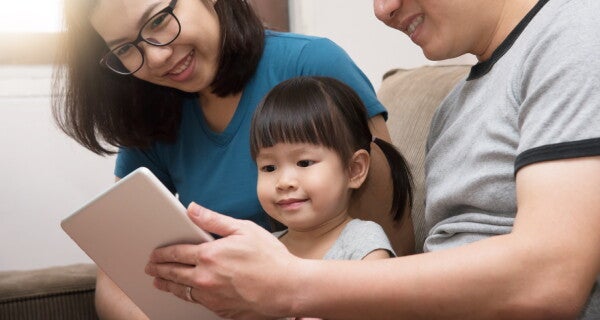
You can watch animated Bible stories instead of the senakulo, one of the Filipino traditions that teaches kids about faith.
Many barangays or towns put on a senakulo, a play that acts out the life and suffering of Jesus during Holy Week. You can attend one with your child but stay near the exit so you can leave early since the scenes of Jesus' suffering may be too scary for them.
How to explain it: Tell them they’re watching a special show about Jesus. They get to see people dressed up as Jesus, Mary, and the soldiers, and seeing the action helps them understand what happened much better.
Try this activity: Hold your own Bible costume play. Use blankets or scarves to dress up as shepherds, angels, or Kings. You can also just watch animated Bible clips on YouTube. This lets them see the story without the scary parts of a real street play.
4. Visita Iglesia (Church Visitation)
Visita Iglesia involves visiting seven different churches, usually on Maundy Thursday. This can be a fun adventure for your kids if you plan it well.
How to explain it: Tell them that you’re going on a special journey to visit different houses of God. Say that this is a special way of showing God that you love Him. Just like visiting your lolo and lola or a friend, taking the time to visit God's house shows Him that He is important to your family.
Try this activity: Turn the visits into a mission! Create a Church Passport on a piece of paper. Draw seven empty boxes and let your child put a sticker or a checkmark in a box every time you finish visiting a church. This gives them a goal to look forward to each stop.
Since this involves travel, bring water, extra clothes, and their favorite toy to keep them entertained between stops. Keeping them comfortable helps them stay patient during the visits.
5. Siete Palabras (The Seven Last Words)
Siete Palabras or the Seven Last Words are preached in churches and broadcast on TV and radio from 12:00 PM to 3:00 PM on Good Friday, the quietest day of Holy Week. This period marks the final hours of Jesus, making it a very solemn time.
If you go to church, stay for just one speaker. A short stay is enough to let them sense how quiet and serious the moment is.
How to explain it: Siete palabras helps your child practice empathy and respect. You can explain that there are times to be loud and playful, and times to be quiet and attentive. Remind them that when someone is hurting or saying goodbye, listening matters.
Try this activity: Practice quiet time at home. Turn off the noisy cartoons and gadgets between noon and 3:00 PM. Instead, encourage a nap or quiet play with blocks or coloring books. The goal is simply to lower the volume of the house to match the mood of the day.
6. Salubong (Easter Sunday Meeting)
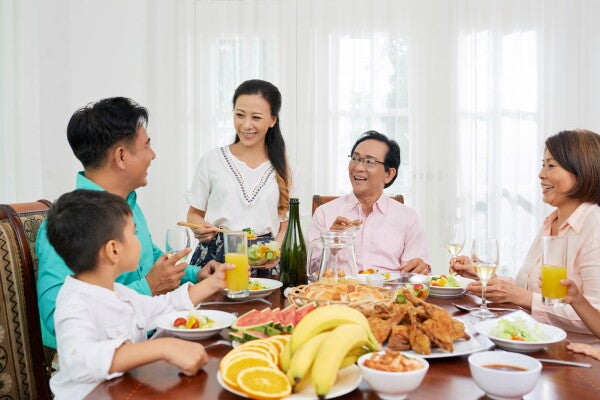
After the Salubong, gather the whole family for a festive Easter feast!
The salubong is a pre-dawn reenactment of the meeting between the Risen Christ and Mama Mary. The sadness of Good Friday is replaced by the joy of Easter Sunday.
If your child can wake up early, bring them to watch the salubong. The highlight is usually a child dressed as an angel who lifts the black veil from the statue of Mary.
How to explain it: This celebration teaches your child about hope. It shows them that sadness doesn't last forever and that good things can come out of sad situations. Tell them that Jesus is alive, and that’s why everyone is celebrating.
Try this activity: Enjoy Easter Sunday with a special family lunch. After Easter Mass or the salubong, go home and share a special meal. You can even make a simple Angel cutout using paper plates or cardboard wings to help them remember the angel who lifted the veil.
Why Teaching Filipino Traditions Matters
Joining these Filipino traditions during Holy Week can be challenging with kids. But it’s worth it. A 2021 local study in the Journal of Family Psychology links religious participation with greater parental warmth, suggesting that shared faith practices can strengthen family relationships.
If you can't visit seven churches, visiting one is enough. If your toddler can't stay quiet for 30 minutes, 10 to 15 minutes is a good start. The important thing is that you’re doing it together. By guiding them through these days, you’re planting the seeds of faith and family values that will grow with them.
Do you have your own tips for making Filipino traditions fun for toddlers? Hop over to the ParenTeam Moms and Dads Facebook group and start a conversation.
References
City Government of Naga. “Holy Week Traditions and Their Significance.” April 10, 2025. Accessed February 5, 2026. https://www2.naga.gov.ph/holy-week-traditions-and-their-significance/
Diocese of San Jose. “Visita Iglesia: Visitation of 7 Churches.” Accessed February 5, 2026. https://www.dsj.org/wp-content/uploads/2023-Visita-Iglesia-ENGLISH-worship-guide.pdf
Eballo, Maricel, and Arnulfo Valderama Fortunado. “Visita Iglesia: Filipino Catholics Vow to Visit Seven Churches during Holy Week.” Catholics & Cultures. Last modified May 19, 2025. Accessed February 5, 2026. https://www.catholicsandcultures.org/philippines-catholics-vow-visit-seven-churches-during-holy-week
Knowledge Channel Foundation. “5 Values to Learn from Filipino Holy Week Traditions.” Knowledge Channel. Accessed February 5, 2026. https://www.knowledgechannel.org/articles/5-values-to-learn-from-filipino-holy-week-traditions
Richards, Mary. “Teaching Children about Holy Week and Easter.” Church News, March 24, 2024. Accessed February 5, 2026. https://www.thechurchnews.com/living-faith/2024/03/23/teaching-children-about-holy-week-easter-activities-videos-messages/
Related articles

12 Storybooks in Tagalog to Help Your Toddler Learn the Language
Looking for a storybook in Tagalog that your toddler will love? These picks build vocabulary, spark curiosity, and deepen your bond.
7 mins to read

Easy Pinoy Dinner Ideas Dads and Kids Can Cook for Mother’s Day
Need easy Pinoy dinner ideas? Surprise mom with a budget-friendly meal that dads and kids can quickly prep, cook, and enjoy together for a fun celebration at home.
6 mins to read

Where to Book a Christmas Photoshoot for Your Family
Your family's Christmas photoshoot deserves the perfect spot. Discover pro and self-shoot studios in and around Manila, plus tips on what to wear.
7 mins to read

How to Find a Green Flag Yaya for Your Toddler
Finding a green flag yaya starts with the right questions. Learn how to screen candidates, check backgrounds, and run a trial period for your peace of mind.
9 mins to read

Math for Kids: How to Instill a Love for Numbers Early
Math for kids doesn’t need worksheets. It needs stacked cups, sorted socks, and the games you’re already playing.
8 mins to read

25 Filipino Nursery Rhymes and Lullabies to Sing to Your Child
Explore this list of 25 Filipino nursery rhymes and lullabies. You can sing these songs to help your child learn, grow, and have fun!
9 mins to read

GROWING TOGETHER: The Importance of Tracking Developmental Milestones in the First 2000 days. -2nd
The first 2,000 days are critical in shaping a child’s future—discover why every developmental milestone matters in these early years of growth and learning.
2 mins to read
GROWING TOGETHER: The Importance of Tracking Developmental Milestones in the First 2000 days.
The first 2,000 days are critical in shaping a child’s future—discover why every developmental milestone matters in these early years of growth and learning.
2 mins to read

How to Survive Toddler Haircuts Without the Tears
Say goodbye to the struggles of toddler haircuts. Here are practical ways to make salon visits fun, tear-free, and comfortable for your child.
6 mins to read

Teach Kids Safety: 4 Ways to Gamify Your Family Emergency Plan
Practice your emergency plan with fun games that teach kids safety roles. You’ll help them stay calm, learn important contacts, and prepare for any disaster.
7 mins to read

8 Simple Ways to Inspire Healthy Eating Habits in the Whole Family
From trying new dishes to setting an example at the dinner table, here’s how parents can instill healthy eating habits for the entire household.
6 mins to read

Pedia Shares 3 Major Signs You May Have a Child With Special Needs
Here's what pedias want you to know if you suspect you have a child with special needs.
8 mins to read

How to Protect Your Active Toddler from Extreme Heat in the Philippines
Parenting in a hot climate can add to your stress levels! But your kids rely on you even more during these warmer days. Here's the TLC they need.
6 mins to read

15 Brain Games to Help Your Babies and Toddlers Learn!
No pricey toys required. These brain games need just one important thing: Mom or Dad. Get ready to have fun with your little one!
8 mins to read

How to Discipline a Child Without Hitting or Yelling
Disciplining your child without yelling or hitting? It’s possible with these effective tips that build better behavior.
4 mins to read

7 Teacher-Recommended Reading Strategies to Use at Home
Get your little one to build their reading skills with these expert tips and strategies from a teacher.
4 mins to read

How to Control Emotions: 9 Ways to Help Toddlers Who Feel Too Much
Toddlers feel big emotions but are still learning to manage them. Discover science-backed, mom-approved tips to guide meltdowns into calm without losing your cool.
6 mins to read

10 Fun Activities to Keep Toddlers Entertained in the Heat
You can keep your toddler cool and engaged even on the hottest days while making the most of play-based learning!
6 mins to read

Milk Teeth: What Are They and When Do Kids Lose Them?
Your child's milk teeth are crucial for their health and development. Learn when they appear, fall out, and how to care for them every step of the way.
6 mins to read


