


9 Essential Tips for Your Newborn Baby’s First Pasyal
You’ve spent weeks at home, and now you’re finally ready to show your newborn baby to the world. Whether it’s a trip to the park or a visit to Lolo and Lola’s house, this is a major milestone! It’s typical for you to feel excited and nervous.
Don’t worry! You can handle this with just a little preparation. With a solid plan, you won't panic if a diaper leaks, or your baby gets hungry. When you’re prepared, you can relax and enjoy your first family adventure.
Before planning your first outing, make sure your little one is feeding well, has no fever, and hasn’t been sick recently. You should feel ready, too. If you’re still physically recovering, severely sleep-deprived, or feeling overwhelmed, it’s okay to wait a little longer. Just remember that your peace of mind matters most.
Preparing Your Baby’s First Pasyal
Check these tips to ensure a smooth and stress-free experience for the while family.
1. Talk to your pediatrician first.
If your baby was born prematurely or has a medical condition, check with your pediatrician before heading out. There’s no strict rule about when you can take your newborn outside, but safety and vaccine status will dictate where you can go.
Sandra Sharlene Lim Uy, MD, MBA, DPPS, a pediatrician at St. Luke's Medical Center Quezon City and Taguig Pateros District Hospital, sets a strict boundary. "I never recommend kids who have not completed the primary series of vaccinations to go to a crowded place."
Dr. Lim Uy notes that premature exposure increases their chance of catching an illness and needing hospitalization. She emphasizes that completing this primary series gives babies crucial protection from common preventable diseases. This is recommended by the Department of Health's National Immunization Program (NIP), the Pediatric Infectious Disease Society of the Philippines (PIDSP), and the Expanded Program on Immunization (EPI).
So, where can you go before those shots are done? Dr. Lim Uy advises limiting outings to open-air environments or "sa mga small family gatherings lang."
2. Time your trip around naps and feedings.
You’ll have a much better time if you leave right after a feeding and a diaper change. A full and clean baby is usually a happy traveler. Try to keep your first few trips short, so you don't overstimulate your little one.
3. Pick the right gear for the venue.
Consider bringing a stroller during their first adventure. It gives your baby a familiar place to nap and saves your back from strain. No changing stations where you are? Fully recline the stroller seat and lay down a waterproof travel mat. You can also choose a baby carrier to keep your little one close to your chest and away from wandering hands.
Your Baby Outing Checklist
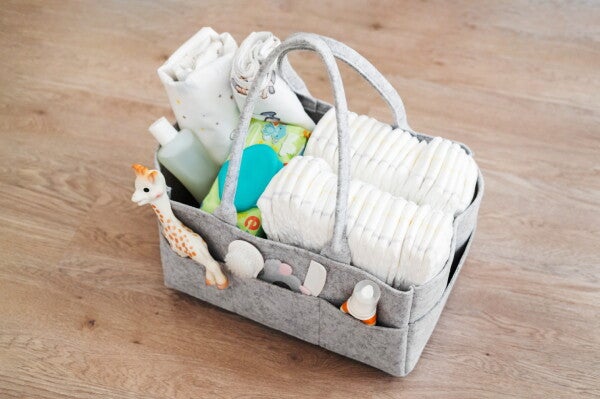
No need to pack the entire nursery! Here’s a quick guide to the essentials so you can handle any surprise on the go.
1. Fill your diaper bag with must-haves.
Make sure your bag essentials include at least five baby diapers, a full pack of baby-safe wipes, and two changes of clothes for you and your baby. Accidents happen, and being ready for a "poop-tastrophe" can save your day.
You may also want to bring your baby’s health record booklet if you’re little one is fully vaccinated and ready for longer trips. Save your pediatrician’s number on your phone and take note of the nearest hospital or clinic at your destination. It gives you peace of mind, even if you don’t need it.
2. Master the art of breastfeeding in public.
If you’re breastfeeding, wear a button-down shirt or a nursing cover to make feeding on the go easier. If you're in lolo and lola’s house, ask for a private room as soon as you arrive so you know where to go quickly when your baby starts crying for milk.
3. Make hygiene a top priority.
Always keep a small bottle of hand sanitizer clipped on your bag. Since you’ll want to clean your hands before touching your baby.
Meeting up with friends or family who get gigil with babies? Dr. Lim Uy encourages parents to set firm boundaries to protect their unimmunized baby: "Sabihin na nila maarte kayo, but as a rule, everyone should wash hands before touching babies. Walang kissing sa face o sa cheeks, kasi some people don't know they are harboring infection." You should also keep your distance from anyone who is coughing or sneezing to reduce the chances of infection.
Safety First: What to Avoid Outdoors
Keep these simple precautions in mind to protect your little one from germs and harsh weather.
1. Watch out for the heat (and rain!).
The sun is strongest between 10:00 a.m. and 4:00 p.m., and high temperatures can lead to dehydration or heat rashes. If you're just stepping outside for some vitamin D, Dr. Lim Uy recommends daily early morning or afternoon exposure.
Always dress your baby in lightweight, breathable cotton clothes to help them stay cool. The American Academy of Pediatrics (AAP) says that it’s okay to apply a small amount of sunscreen to small, exposed areas—like the face, neck, back of the hands, and tops of the feet—to keep their delicate skin safe.
Sudden rain showers are also common, especially during the rainy season. Bring a lightweight blanket or stroller rain cover to keep your baby dry. If there’s a storm signal or heavy downpour, it’s best to postpone your trip and stay indoors.
2. Don't go to a place you aren't familiar with.
For your first few adventures, stick to safe zones—such as parks or green spaces where you already know the layout. You don't want to be frantically searching for a restroom, diaper changing station, or a cool area while your baby is crying. Knowing where to find the amenities saves you from a meltdown.
3. Never leave your baby with strangers.
Always stay alert, and never leave your stroller or carrier unattended, even for a second. If you need to use the restroom and are alone, bring the baby inside the stall with you. You can also use the PWD bathrooms if you need space with your stroller or carrier. Safety is always more important than convenience.
Frequently Asked Questions About Outings
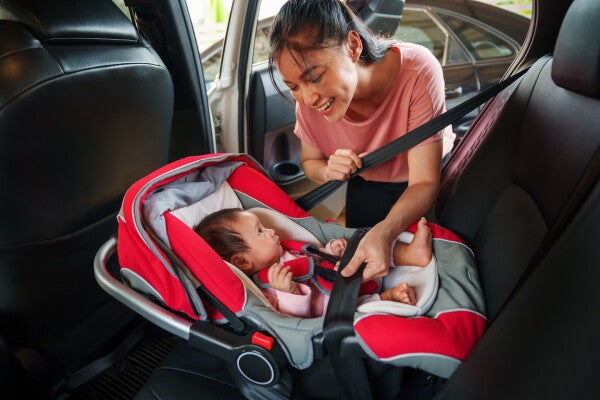
Install a rear-facing car seat in the back seat to protect your newborn baby's neck and spine from injury during travel.
Q: Is it safe to take a jeepney, taxi, or ride-sharing app with my baby?
A: Road safety is a top priority, especially for a newborn. In the Philippines, Republic Act No. 11229 (the Child Safety in Motor Vehicles Act) requires children to be in a car seat while traveling in private motor vehicles. While this law currently applies only to private vehicles and not yet to public utility vehicles like jeepneys or buses, the safety risks remain the same.
Whenever you’re in a private car or a ride-sharing vehicle, always use a properly installed, rear-facing car seat. This is the only way to protect your baby’s neck and spine during travel. If you're using a ride-sharing app, check if they offer vehicles with safety seats, or better yet, bring your own portable car seat to ensure your baby is secure.
Want to learn more? Take this Car Seat Law Quiz to see how well you know the local safety rules.
Q: Can I go out alone with the baby?
A: For your first outing, consider bringing your support team—like your partner, a sibling, or a yaya. You’ll need an extra pair of hands to manage the bag and the baby all at once.
What if you need to go to the bathroom? Unfortunately, most lavatories in the Philippines don’t provide baby seats. Once you get the hang of the routine, you can try solo trips for quick errands.
Q: Can I take my newborn baby to a play area?
A: It’s best to skip play areas for now, whether they’re indoors or outdoors.
Indoor play areas (like mall playrooms or ball pits) are enclosed and filled with older children who might accidentally pass on common colds. Because your baby is still building their immune system, these enclosed spaces are simply too risky.
While outdoor play areas have the benefit of fresh air, they still attract crowds of active kids. Remember Dr. Lim Uy’s strict rule: avoid crowded places if your baby’s primary vaccinations are incomplete. A bustling playground on a weekend easily counts as a crowd! Plus, active toddlers running around might accidentally bump into you, and you want to avoid curious strangers getting too close.
Enjoy Your Newborn Baby’s Day Out
Your first outing with your newborn baby may feel overwhelming, but with the right preparation and safety precautions, it can be smooth and enjoyable! Don't hesitate to ask your partner for help so you can actually enjoy the moment, too. As you get used to the routine, these trips will become a breeze. Just take a deep breath, trust your preparation, and have fun making new memories.
Looking for safer places to head to with your newborn baby? Swap stories with fellow parents on the ParenTeam Moms and Dads Facebook group!
References
Ben-Joseph, Elana Pearl, MD, rev. "When Can I Take My Newborn Out in Public?" Nemours KidsHealth. October 2024. Accessed February 13, 2026. https://kidshealth.org/en/parents/newborn-out.html
Corley, Heather. "Comprehensive Guide to the Ages and Stages of Newborns, Infants, and Toddlers." Parents. Updated January 12, 2026. Accessed February 13, 2026. https://www.parents.com/difference-between-baby-newborn-infant-toddler-293848
Geddes, Jennifer Kelly. "When Can You Take a Newborn Outside?" What to Expect. Accessed February 13, 2026. https://www.whattoexpect.com/baby-health-and-safety/newborn-care-in-crowds.aspx
Johns Hopkins Medicine. "New Parents and Newborns: Are Visitors OK?" Accessed February 13, 2026. https://www.hopkinsmedicine.org/health/wellness-and-prevention/new-parents-and-newborns-are-visitors-ok#:
Philippine Pediatric Society, Inc. PPS Parents' Manual 2021. Accessed February 13, 2026. https://pps.org.ph/wp-content/uploads/2021/12/PPS-MHI-Parents-Manual-2021.pdf
Related articles

The Complete Birth Plan Guide for Filipino Moms: An Ob-Gyn Weighs In
Your birth plan is your voice in the delivery room. Here’s how to build one with real ob-gyn advice and two moms’ true stories.
11 mins to read

28 Weeks Pregnant: Baby Development, Symptoms, and Tips for Mommies
Your guide to being 28 weeks pregnant is here! Learn about key baby development milestones, how to manage new symptoms, and what you can do to stay comfortable.
6 mins to read

The Stages of Pregnancy: What to Expect for You and Baby
Get to know the stages of pregnancy! Learn about each trimester, track your baby's growth, and embrace your body’s changes.
5 mins to read

How to Track Ovulation Symptoms If You Have Irregular Periods
Tracking ovulation symptoms is key when your cycle changes. Learn how to read your body’s signs and spot your fertile window even with irregular periods.
10 mins to read

Ginger Tea in Pregnancy: Is It Safe for Morning Sickness?
Ginger tea in pregnancy can help ease morning sickness, but safe doesn’t mean unlimited. Here’s what your ob-gyn wants you to know about salabat and dosage.
7 mins to read

Does Milk Help You Sleep? How a Glass Before Bedtime Helps Kids Unwind
Does milk help you sleep? A pediatric nutrition specialist breaks down what’s true, what’s myth, and how bedtime milk fits your child’s routine.
6 mins to read

A Doctor Explains Baby Poop Color: What’s Typical and What’s Not
Baby poop color can change often, from mustard yellow to green to brown. Get a pediatrician’s take on every shade, and know exactly when to call your doctor.
10 mins to read

A Doctor Explains Cramps During Pregnancy and Other Discomforts
Experiencing cramps during pregnancy? A doctor explains what causes it, how to ease it, and when it’s worth a call to your OB to help bring you peace of mind.
7 mins to read

How a Pregnancy App Can Help You Track Your Baby’s Development
A pregnancy app can help you see how your baby grows each week. It’s a simple way to feel confident and ready for every new change.
7 mins to read

Your Complete Guide to the Types of Milk in the Grocery Aisle
Confused by the types of milk lining the grocery shelf? Here’s a clear way to compare full cream, fresh, fortified, and plant-based options for your family.
7 mins to read

Best Milk for Pregnant Women: What Nutrients to Look For
Not all milk for pregnant women is the same. Know the six nutrients that actually matter—and what to look for in nutrition labels for the best buy.
9 mins to read

A Derma’s Guide to Pregnancy Skin Care: What’s Safe and What to Avoid
Building a safe pregnancy skin care routine starts with checking the label. Discover the best ingredients for your skin and the chemicals you need to avoid right now.
8 mins to read

Early Pregnancy Pain Areas: A Dad’s Guide to Comforting His Partner
Learn how to help your partner manage early pregnancy pain areas. Small comforts like checking in, prepping light meals, and doing her chores make a huge difference.
6 mins to read

How to Deal with Pregnancy Hormones and Mood Swings
Pregnancy hormones can intensify your emotions. Learn simple ways you and your partner can handle those mood swings and get the support you need.
8 mins to read

Doctor-Approved Ways to Ease Acid Reflux in Pregnancy
Dealing with acid reflux in pregnancy is uncomfortable. Discover simple food tweaks, better sleep habits, and other doctor-approved tips to ease that sour burn today.
5 mins to read

A Doctor Explains Pregnancy Spotting Colors and Flow
Understanding your pregnancy spotting color and flow can help you spot warning signs early. Discover what to expect and when to call your doctor.
6 mins to read

Updated! 5 PhilHealth Benefits for You and Baby
Your PhilHealth benefits cover more than just delivery day. Here's everything you can claim under the 2026 expanded maternity benefits.
8 mins to read

5 Ways to Manage a Pregnancy Rash in the Hot Months
Treat a pregnancy rash by adjusting your daily hygiene habits. Discover how cool midday baths, gentle soaps, and loose clothing can soothe your skin now.
6 mins to read

1 Month Pregnant? A Guide to Symptoms, Baby Development, and Nutrition
Understand exactly what happens when you're 1 month pregnant! Explore common symptoms, how your baby starts growing, and vital nutrition tips for this crucial stage.
6 mins to read


