


Doctor-Approved Ways to Ease Acid Reflux in Pregnancy
Acid reflux in pregnancy is one of those uncomfortable surprises nobody warns you about. You're already dealing with nausea, fatigue, and a growing belly, and now a burning sensation creeps up your throat after meals. The good news? These reflux symptoms are manageable.
To help you find relief, board-certified obstetrician and gynecologist Dr. Roma Ramones Guevara offers easy ways to help ease the burn, so you can focus on maintaining a healthy pregnancy. But first, it’s important to understand why acid reflux happens.
What Causes Acid Reflux in Pregnancy?
Dr. Guevara explains that pregnancy hormones can slow your digestion, keeping food in your tummy much longer. A 2022 clinical review in the journal Medicine confirms that rising estrogen and progesterone relax your esophageal sphincter, the small muscle acting like a door between your stomach and your esophagus.
Dr. Guevara adds that the esophageal sphincter "prevents the stomach acid (with food and other types of acids) from going back up to the esophagus." When the muscle stays slightly open, the acid travels upward, causing a burning sensation.
For some pregnant women, frequent acid reflux can develop into gastroesophageal reflux disease (GERD). Understanding what causes acid reflux during pregnancy can help you manage symptoms more effectively.
5 Simple Tips to Ease Acid Reflux During Pregnancy
If you’re experiencing acid reflux during pregnancy, remedies like adjusting your eating and sleeping habits can give you fast relief. Dr. Guevara recommends these changes:
1. Avoid foods that trigger acid reflux.

Skip spicy meals, fatty pork, and fizzy sodas. These easily irritate your tummy and push stomach acid up to your throat.
"It's best to avoid foods that can easily irritate your tummy and aggravate the burning feeling," suggests Dr. Guevara. “This would be spicy, fatty, salty food and carbonated drinks." Carbonated drinks like soda introduce extra air into your stomach and make acid more likely to back up into your esophagus.
You may also notice that coffee, chocolate, citrus fruits, and tomato-based dishes trigger symptoms. Because reflux triggers can vary from person to person, it helps to pay attention to which foods worsen your discomfort.
2. Chew your food well and eat slowly.
Rushing through your meals can also overwhelm your digestive system. "Chew your food well and eat slowly." Eating slowly helps your stomach break down food more efficiently, improves nutrient absorption, and prevents overeating, she explains.
Eating smaller, more frequent meals instead of large, heavy ones may also help reduce pressure on your stomach and lower your chances of acid reflux. Taking smaller bites and chewing thoroughly helps your stomach process food without building excess pressure.
3. Sit upright or stand after eating.
Lying down immediately after a heavy meal can worsen acid reflux symptoms. This is why Dr. Guevara suggests that you don’t lie down or slouch for a minimum of two hours after eating. This gives your stomach enough time to digest your food properly. “This also encompasses avoiding late-night snacks or munching on chips or crackers before sleeping,” she advises.
4. Elevate your head and trunk if you're on bed rest.
If your doctor requires you to stay in bed during your pregnancy, Dr. Guevara recommends that you elevate your head and trunk by a minimum of six to eight inches, or about 15 to 20 centimeters, after eating. Propping yourself up with extra pillows helps keep stomach acid from rising into your throat.
5. Sleep on your left side during your third trimester.
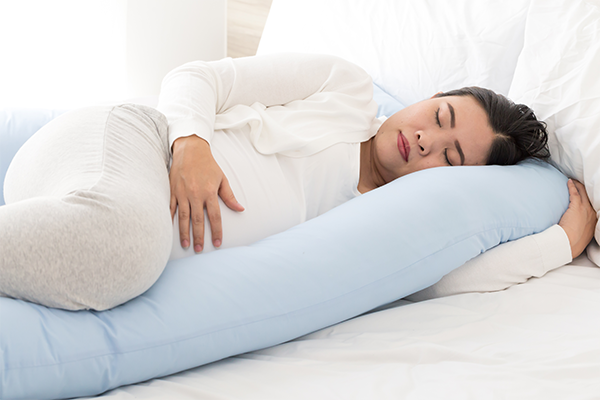
Sleeping on your left side during the third trimester keeps your blood flowing safely to your body and your growing baby, too.
According to a 2023 meta-analysis in the World Journal of Clinical Cases, sleeping on your left side helps clear out stomach acid much faster. Because your stomach sits on the left, this position naturally keeps the acidic contents below your esophagus.
Dr. Guevara adds that this position becomes even more important as your baby gets heavier in your final trimester. Lying flat allows your baby to press on a large blood vessel, which limits your blood flow and causes dizziness. Sleeping on your left side supports healthy blood flow and may help reduce reflux symptoms at the same time.
During your first and second trimesters, usually before reaching 28 weeks, your baby isn’t heavy enough to press on that large blood vessel. "You may sleep in the position that you’re comfortable with during the early months. You’ll definitely miss sleeping comfortably, so better enjoy it while you can," she notes.
When to Ask Your Doctor About Antacids
Sometimes, basic lifestyle changes and natural remedies for acid reflux in pregnancy aren't enough to stop the burning feeling. If your symptoms feel overwhelming, it's time to seek professional medical advice. If you already struggled with hyperacidity or reflux before getting pregnant, Dr. Guevara advises keeping your doctor fully informed:
- Tell your ob-gyn about any maintenance medications during your first prenatal visit.
- Continue taking your previously prescribed antacids only if your doctor approves.
- Wait for your doctor to confirm if your current medicine is safe for your baby or if you need a new prescription.
Easing Acid Reflux in Pregnancy Today
Acid reflux in pregnancy can feel frustrating, but small daily changes can make a big difference. Eating slowly, avoiding trigger foods, and adjusting your sleeping position may help reduce the burning sensation safely. Keep your ob-gyn updated about persistent symptoms so you can manage reflux while supporting a healthy pregnancy.
Now that you know how to avoid acid reflux in pregnancy, you can connect with other parents on the ParenTeam Moms and Dads Facebook group and share your own tips for managing those sour burps.
About Dr. Roma Ramones Guevara
Roma Ramones Guevara, MD, FPOGS, is a board-certified Obstetrician and Gynecologist with a deep commitment to maternal health and wellness. Dr. Guevara currently serves as an active consultant at La Consolacion University General Hospital and Dr. Yanga’s Hospital, while also maintaining a thriving private practice across North Caloocan and key areas in Bulacan, including Plaridel, Bocaue, Marilao, Malolos, and Calumpit. With her extensive clinical experience and compassionate approach, she provides high-quality care to Filipina moms, ensuring they feel supported and informed throughout their pregnancy journey.
References
Gerson, L. B. "Treatment of Gastroesophageal Reflux Disease During Pregnancy." Gastroenterology & Hepatology 8, no. 11 (2012): 763-764. Accessed May 4, 2026. https://pmc.ncbi.nlm.nih.gov/articles/PMC3966174/
Stanford Medicine Children's Health. "Pregnancy and Heartburn." n.d. Accessed May 4, 2026. https://www.stanfordchildrens.org/en/topic/default?id=pregnancy-and-heartburn-134-10
Cleveland Clinic. "Heartburn During Pregnancy." Last modified April 26, 2024. Accessed May 4, 2026. https://my.clevelandclinic.org/health/diseases/12011-heartburn-during-pregnancy
National Health Service (NHS). "Indigestion and Heartburn in Pregnancy." Last modified November 14, 2023. Accessed May 4, 2026. https://www.nhs.uk/pregnancy/common-symptoms/indigestion-and-heartburn/
Related articles

The Complete Birth Plan Guide for Filipino Moms: An Ob-Gyn Weighs In
Your birth plan is your voice in the delivery room. Here’s how to build one with real ob-gyn advice and two moms’ true stories.
11 mins to read

28 Weeks Pregnant: Baby Development, Symptoms, and Tips for Mommies
Your guide to being 28 weeks pregnant is here! Learn about key baby development milestones, how to manage new symptoms, and what you can do to stay comfortable.
6 mins to read

The Stages of Pregnancy: What to Expect for You and Baby
Get to know the stages of pregnancy! Learn about each trimester, track your baby's growth, and embrace your body’s changes.
5 mins to read

How to Track Ovulation Symptoms If You Have Irregular Periods
Tracking ovulation symptoms is key when your cycle changes. Learn how to read your body’s signs and spot your fertile window even with irregular periods.
10 mins to read

Ginger Tea in Pregnancy: Is It Safe for Morning Sickness?
Ginger tea in pregnancy can help ease morning sickness, but safe doesn’t mean unlimited. Here’s what your ob-gyn wants you to know about salabat and dosage.
7 mins to read

Does Milk Help You Sleep? How a Glass Before Bedtime Helps Kids Unwind
Does milk help you sleep? A pediatric nutrition specialist breaks down what’s true, what’s myth, and how bedtime milk fits your child’s routine.
6 mins to read

A Doctor Explains Baby Poop Color: What’s Typical and What’s Not
Baby poop color can change often, from mustard yellow to green to brown. Get a pediatrician’s take on every shade, and know exactly when to call your doctor.
10 mins to read

A Doctor Explains Cramps During Pregnancy and Other Discomforts
Experiencing cramps during pregnancy? A doctor explains what causes it, how to ease it, and when it’s worth a call to your OB to help bring you peace of mind.
7 mins to read

How a Pregnancy App Can Help You Track Your Baby’s Development
A pregnancy app can help you see how your baby grows each week. It’s a simple way to feel confident and ready for every new change.
7 mins to read

Your Complete Guide to the Types of Milk in the Grocery Aisle
Confused by the types of milk lining the grocery shelf? Here’s a clear way to compare full cream, fresh, fortified, and plant-based options for your family.
7 mins to read

Best Milk for Pregnant Women: What Nutrients to Look For
Not all milk for pregnant women is the same. Know the six nutrients that actually matter—and what to look for in nutrition labels for the best buy.
9 mins to read

A Derma’s Guide to Pregnancy Skin Care: What’s Safe and What to Avoid
Building a safe pregnancy skin care routine starts with checking the label. Discover the best ingredients for your skin and the chemicals you need to avoid right now.
8 mins to read

Early Pregnancy Pain Areas: A Dad’s Guide to Comforting His Partner
Learn how to help your partner manage early pregnancy pain areas. Small comforts like checking in, prepping light meals, and doing her chores make a huge difference.
6 mins to read

How to Deal with Pregnancy Hormones and Mood Swings
Pregnancy hormones can intensify your emotions. Learn simple ways you and your partner can handle those mood swings and get the support you need.
8 mins to read

A Doctor Explains Pregnancy Spotting Colors and Flow
Understanding your pregnancy spotting color and flow can help you spot warning signs early. Discover what to expect and when to call your doctor.
6 mins to read

Updated! 5 PhilHealth Benefits for You and Baby
Your PhilHealth benefits cover more than just delivery day. Here's everything you can claim under the 2026 expanded maternity benefits.
8 mins to read

5 Ways to Manage a Pregnancy Rash in the Hot Months
Treat a pregnancy rash by adjusting your daily hygiene habits. Discover how cool midday baths, gentle soaps, and loose clothing can soothe your skin now.
6 mins to read

1 Month Pregnant? A Guide to Symptoms, Baby Development, and Nutrition
Understand exactly what happens when you're 1 month pregnant! Explore common symptoms, how your baby starts growing, and vital nutrition tips for this crucial stage.
6 mins to read

Pregnancy Discharge? Your Guide to Staying Fresh and Comfortable
An increase in pregnancy discharge means your body is protecting your baby, but the extra moisture may feel uncomfortable. Learn how to stay fresh with simple habits.
5 mins to read


