


Pregnancy Discharge? Your Guide to Staying Fresh and Comfortable
Now that you’re expecting, it’s common to experience an increase in vaginal fluid as your body changes. This moisture, known as pregnancy discharge or leukorrhea, is your body's way of preventing infections from traveling from the vagina to your womb, and it usually gets heavier towards the final weeks.
To help you manage these changes, Dr. Mary Abigail T. Roque, a board-certified obstetrician-gynecologist, offers practical advice to help you feel more prepared for the journey ahead.
Understanding Pregnancy Discharge
"When you become pregnant, the discharge really increases," explains Dr. Roque. But knowing what to look out for can help you spot any changes early and avoid unnecessary worry.
What typical discharge looks like
Dr. Roque describes typical discharge as ranging from clear to whitish in color. "So, basically white, off-white, or clear, you're good," she adds. While the amount of fluid often increases, the consistency and color generally stay the same throughout the trimesters. "In terms of the odor, siyempre, dapat no odor."
[H3] When discharge signals an infection
Sometimes, changes in your fluid can be warning signs of infections, such as a yeast infection. If you suspect something is off, trust your gut. Dr. Roque advises that fluid changes become a concern if the color changes or if you notice a strong odor. She suggests going straight to the clinic, so your doctor can check for an infection.
How to Stay Fresh and Comfortable Every Day
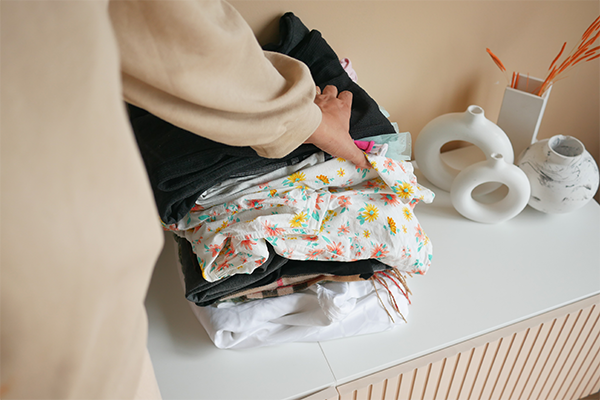
Sticking to cotton underwear and clothes is a simple way to feel fresh and comfortable when you have pregnancy discharge.
While your doctor is your best resource for treating any infection, managing moisture to stay fresh and comfortable in the heat comes down to a few daily habits.
1. Practice good feminine hygiene.
According to Dr. Roque, practicing good hygiene is the most important thing. “Obviously, shower every day. No need to use any scented mist, feminine wipes, or feminine wash.” Dr. Roque warns that overusing these feminine hygiene products provides a false sense of security.
"Hindi talaga required to use feminine wash on a regular basis, say, every day," explains Dr. Roque. She notes that over-washing can actually alter your natural pH balance. Even if you’ve comfortably used these products before conceiving, hormonal changes during pregnancy can make your skin much more sensitive. Instead, stick to water to avoid irritation.
The American College of Obstetricians and Gynecologists (ACOG) also advises against using full-body deodorants or douching, as these wash away the protective bacteria of the vagina. If needed, use plain, fragrance-free soap externally only. After rinsing, simply pat the area gently to dry.
2. Choose cotton clothing.
To stay cool, make cotton underwear your best friend. It’s not just about what's underneath, though; try to wear cotton pants, shorts, and loose dresses, suggests Dr. Roque. Avoiding synthetic fabrics like spandex helps prevent heat from getting trapped against your skin.
The ACOG also advises expectant moms to avoid tight-fitting pants and stick to underwear with a cotton panel. Breathable fabrics help prevent heat and moisture from getting trapped against your skin.
3. Use panty liners when going out.
While you can use panty liners to stay dry, Dr. Roque advises against wearing them the entire day, every day. Liners trap moisture, which can attract bacteria. “Anywhere that attracts bacteria, tapos they accumulate and multiply—ayan. It may predispose you to an infection.” Instead, save them for short trips out of the house and simply change into fresh cotton underwear when you are at home.
4. Practice careful bathroom habits.
The ACOG notes that small adjustments in the bathroom can help prevent vaginal infections. Always wipe from front to back, and use only unscented, uncolored toilet paper. They also recommend skipping baby wipes and perfumed products to avoid irritating your sensitive skin.
When to Call Your Doctor

While most changes are typical, you should always trust your gut if something feels different. Dr. Roque advises contacting your ob-gyn immediately if you notice any of these signs:
- A sudden change in color, such as yellowish, greenish, brownish, or red fluid
- A strong, "off" odor or unusual scent
- Any heavy bleeding or spotting, which always requires a professional checkup
As you reach your final week, your discharge might change again as your body prepares for the stages of labor. "They may initially have yung parang mas sipon or mucus plug," explains Dr. Roque, describing it as a sticky chunk of mucoid material, which is one of the early signs you might be giving birth soon.
You should also watch out for a water leak. If your underwear feels completely soaked, Dr. Roque gives this direct advice: "Whenever you’re unsure if it’s discharge when your underwear is wet, and you’re unsure if you peed yourself, or mukha ba siyang watery, do come into the hospital." Whether it’s your water breaking or increased discharge, keeping track of these signs of labor ensures the hospital can confirm exactly what’s happening.
Feel Confident Even as Your Body Changes
It’s easy to feel a bit self-conscious about the extra moisture you’re experiencing, but there’s no need to be embarrassed. As Dr. Roque reminds expecting moms, your body is going through something big, “literally and figuratively.”
Understanding what typical pregnancy discharge looks like and knowing exactly when to consult your ob-gyn gives you peace of mind. By sticking to basic hygiene, choosing breathable cotton fabrics, and skipping the unnecessary scented products, you can manage these daily shifts with ease and stay comfortable every step of the way.
You are doing an amazing job adjusting to all these new changes. Keep the conversation going, ask questions about your pregnancy discharge, and connect with other parents in the ParenTeam Moms and Dads Facebook group.
About Dr. Mary Abigail T. Roque
Dr. Mary Abigail T. Roque is a board-certified Obstetrician-Gynecologist with 9 years of experience. Aside from seeing general ob-gyn cases, she also has expertise in Aesthetic and Functional Gynecology after training under the World Academy of Restorative and Aesthetic Gynecology, and is recognized by the Aesthetic Gynecology Society of the Philippines. For clinic schedule and appointments, you may visit https://seriousmd.com/doc/mary-abigail-roque. You can also find her on Facebook, Instagram, and Tiktok as Dr. Abby Roque.
References
Cleveland Clinic. "Vaginal Discharge." Last modified January 29, 2026. Accessed March 26, 2026. https://my.clevelandclinic.org/health/symptoms/4719-vaginal-discharge.
Mayo Clinic Staff. "Signs of labor: Know what to expect." Mayo Clinic. July 3, 2024. Accessed March 26, 2026. https://www.mayoclinic.org/healthy-lifestyle/labor-and-delivery/in-depth/signs-of-labor/art-20046184.
NHS. "Vaginal discharge in pregnancy." Last modified April 17, 2024. Accessed March 26, 2026. https://www.nhs.uk/pregnancy/common-symptoms/vaginal-discharge/.
Related articles

The Complete Birth Plan Guide for Filipino Moms: An Ob-Gyn Weighs In
Your birth plan is your voice in the delivery room. Here’s how to build one with real ob-gyn advice and two moms’ true stories.
11 mins to read

28 Weeks Pregnant: Baby Development, Symptoms, and Tips for Mommies
Your guide to being 28 weeks pregnant is here! Learn about key baby development milestones, how to manage new symptoms, and what you can do to stay comfortable.
6 mins to read

The Stages of Pregnancy: What to Expect for You and Baby
Get to know the stages of pregnancy! Learn about each trimester, track your baby's growth, and embrace your body’s changes.
5 mins to read

How to Track Ovulation Symptoms If You Have Irregular Periods
Tracking ovulation symptoms is key when your cycle changes. Learn how to read your body’s signs and spot your fertile window even with irregular periods.
10 mins to read

Ginger Tea in Pregnancy: Is It Safe for Morning Sickness?
Ginger tea in pregnancy can help ease morning sickness, but safe doesn’t mean unlimited. Here’s what your ob-gyn wants you to know about salabat and dosage.
7 mins to read

Does Milk Help You Sleep? How a Glass Before Bedtime Helps Kids Unwind
Does milk help you sleep? A pediatric nutrition specialist breaks down what’s true, what’s myth, and how bedtime milk fits your child’s routine.
6 mins to read

A Doctor Explains Baby Poop Color: What’s Typical and What’s Not
Baby poop color can change often, from mustard yellow to green to brown. Get a pediatrician’s take on every shade, and know exactly when to call your doctor.
10 mins to read

A Doctor Explains Cramps During Pregnancy and Other Discomforts
Experiencing cramps during pregnancy? A doctor explains what causes it, how to ease it, and when it’s worth a call to your OB to help bring you peace of mind.
7 mins to read

How a Pregnancy App Can Help You Track Your Baby’s Development
A pregnancy app can help you see how your baby grows each week. It’s a simple way to feel confident and ready for every new change.
7 mins to read

Your Complete Guide to the Types of Milk in the Grocery Aisle
Confused by the types of milk lining the grocery shelf? Here’s a clear way to compare full cream, fresh, fortified, and plant-based options for your family.
7 mins to read

Best Milk for Pregnant Women: What Nutrients to Look For
Not all milk for pregnant women is the same. Know the six nutrients that actually matter—and what to look for in nutrition labels for the best buy.
9 mins to read

A Derma’s Guide to Pregnancy Skin Care: What’s Safe and What to Avoid
Building a safe pregnancy skin care routine starts with checking the label. Discover the best ingredients for your skin and the chemicals you need to avoid right now.
8 mins to read

Early Pregnancy Pain Areas: A Dad’s Guide to Comforting His Partner
Learn how to help your partner manage early pregnancy pain areas. Small comforts like checking in, prepping light meals, and doing her chores make a huge difference.
6 mins to read

How to Deal with Pregnancy Hormones and Mood Swings
Pregnancy hormones can intensify your emotions. Learn simple ways you and your partner can handle those mood swings and get the support you need.
8 mins to read

Doctor-Approved Ways to Ease Acid Reflux in Pregnancy
Dealing with acid reflux in pregnancy is uncomfortable. Discover simple food tweaks, better sleep habits, and other doctor-approved tips to ease that sour burn today.
5 mins to read

A Doctor Explains Pregnancy Spotting Colors and Flow
Understanding your pregnancy spotting color and flow can help you spot warning signs early. Discover what to expect and when to call your doctor.
6 mins to read

Updated! 5 PhilHealth Benefits for You and Baby
Your PhilHealth benefits cover more than just delivery day. Here's everything you can claim under the 2026 expanded maternity benefits.
8 mins to read

5 Ways to Manage a Pregnancy Rash in the Hot Months
Treat a pregnancy rash by adjusting your daily hygiene habits. Discover how cool midday baths, gentle soaps, and loose clothing can soothe your skin now.
6 mins to read

1 Month Pregnant? A Guide to Symptoms, Baby Development, and Nutrition
Understand exactly what happens when you're 1 month pregnant! Explore common symptoms, how your baby starts growing, and vital nutrition tips for this crucial stage.
6 mins to read


