


Many parents will tell you that going through pregnancy and childbirth turns you into a budgeting expert, whether you plan to be or not. You'll quickly learn just how much those expenses add up, from prenatal visits and doctor's fees to the cost of the delivery itself. Thankfully, you can now get more financial help through the expanded 2026 PhilHealth benefits.
PhilHealth Maternity Packages
PhilHealth offers five maternity packages, including ones for newborns and premature infants.
1. Vaginal delivery package
This package covers your hospital stay for a typical vaginal delivery. It replaces the old, split maternity packages. Previously, PhilHealth divided your claims into two separate, smaller payouts: the Maternity Care Package (MCP) and the Normal Spontaneous Delivery (NSD) Package, at about ₱6,500 to ₱8,000 each.
Now, you get a single, unified package rate of ₱29,000 when you give birth in DOH-accredited Level 1 to 3 hospitals (ranging from basic community hospitals to major medical centers). It includes labor management, vaginal delivery assistance, and immediate postpartum care before you’re discharged.
To claim this benefit, you'll need to complete a minimum of eight prenatal visits for low-risk pregnancies. Keep a record of your prenatal checkups in a mother's book or hospital records to properly document your care.
2. Cesarean section coverage
Before, PhilHealth only covered ₱19,000 for a Cesarean section (C-section). Now, you get significantly more financial support for this procedure.
The updated Cesarean section package provides the following financial benefits:
- ₱58,000—Primary Cesarean section
- ₱62,000—Cesarean delivery after a previous C-section or an attempted vaginal delivery
Keep in mind that PhilHealth strictly reviews these claims. Your doctor must provide medical reasons proving the procedure was necessary to get your coverage approved.
3. Antenatal care package
This PhilHealth benefit caters to prenatal care, including checkups, maternal nutrition, immunizations, and breastfeeding counseling.
Prior to the 2026 update, you only needed four (4) checkups to claim a ₱1,500 benefit, and the rules were stricter—you couldn't claim it if you gave birth in the same facility. This is because PhilHealth would bundle your prenatal checkups and delivery costs into one package if you used the same facility to prevent double-billing.
The new guidelines change how this works. Now, PhilHealth treats your prenatal checkups as a separate outpatient service. This means you claim your checkups independently of your hospital delivery package.
To ensure you and your baby stay healthy, the updated rule encourages you to complete a minimum of eight (8) prenatal visits for a low-risk pregnancy. Your doctor or hospital can also file separate claims for additional essential diagnostic tests you might need during these visits, such as ultrasounds and blood tests.
4. Newborn care package
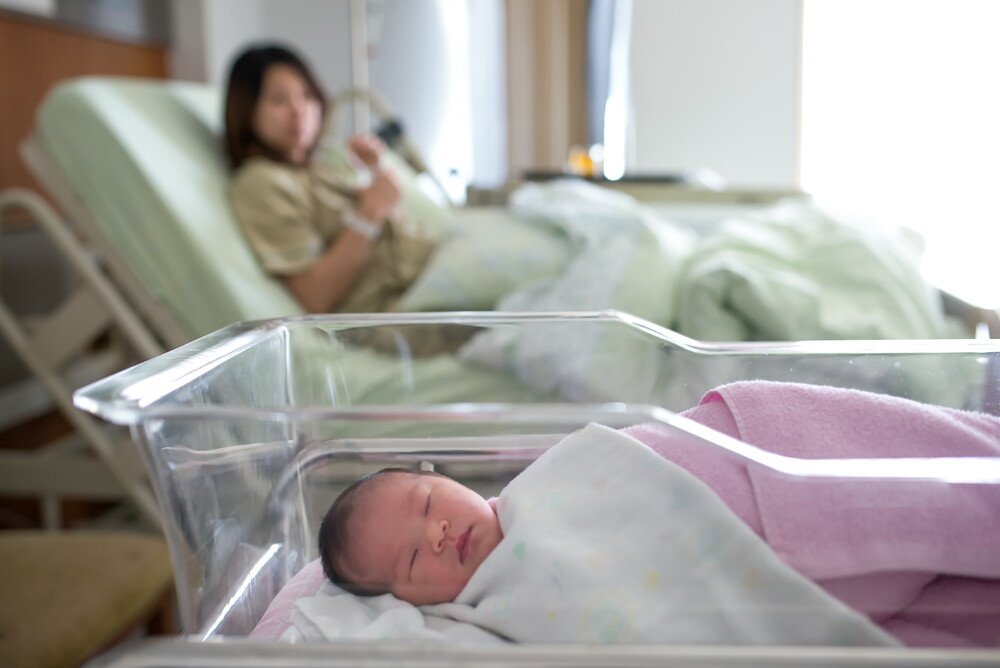
PhilHealth provides coverage for postpartum checkups and newborn care.
This benefit now provides ₱3,500 (previously ₱2,950) to help cover your baby’s essential care during their first hours of life. This updated rate includes the Newborn Screening Test and the Newborn Hearing Screening Test to check your baby's health right away. It also offers the following for your newborn:
- Vitamin K
- Eye ointment
- Hepatitis B and BCG vaccines
To claim the full amount, your hospital must perform the hearing test using specialized equipment like Otoacoustic Emission (OAE) or Auditory Brainstem Response (ABR).
5. Z benefits for premature and small newborns
Unlike the 2026 updates for typical delivery packages, these specialized rates remain the same as the 2022 guidelines. You can use this package if you're at risk of giving birth between 24 and 37 weeks to help manage the costs of specialized care. Z benefits provide:
- ₱600—For preventing complications of preterm delivery with other high-risk conditions such as preterm labor, vaginal bleeding, and multifetal pregnancy
- ₱1,500—For preventing complications of preterm delivery with preterm pre-labor rupture of membranes (pPROM)
- ₱3,000—For preventing of complications of preterm delivery with severe preeclampsia or eclampsia
- ₱4,000—For coordinated referral and transfer from a referring facility
The financial support for your baby depends on their weight and age at birth:
- ₱35,000 to ₱135,000—For babies born at 24 weeks to less than 32 weeks or weighing less than 1,500 grams
- ₱24,000 to ₱71,000—For babies born at 32 weeks to less than 37 weeks or weighing between 1,500 and 2,500 grams
Unlike standard maternity care, Z Benefits can only be availed at PhilHealth-contracted hospitals (usually tertiary government centers like PGH or specialized maternity hospitals). Before deciding on a hospital, always ask if they're specifically contracted for these benefits.
Maximizing Your Coverage with No Balance Billing
If you're worried about extra costs, the No Balance Billing policy is a massive help. All PhilHealth beneficiaries are entitled to zero co-payments when admitted to a basic or ward accommodation. This rule applies whether you choose an accredited public or private health facility.
When you stay in a basic ward, the hospital can’t charge you in excess of what PhilHealth pays for the following:
- Medicines and medical supplies included in the package
- Laboratory tests and surgical procedures
- Professional fees and salaried labor
Remember, this strict zero-payment rule only applies to basic ward accommodations (shared rooms with three or more occupants). If you choose a private room or request upgraded services, you will have out-of-pocket expenses. If you stay in a semi-private room, you’re protected by a fixed co-payment cap instead.
FAQs on PhilHealth Benefits for Moms
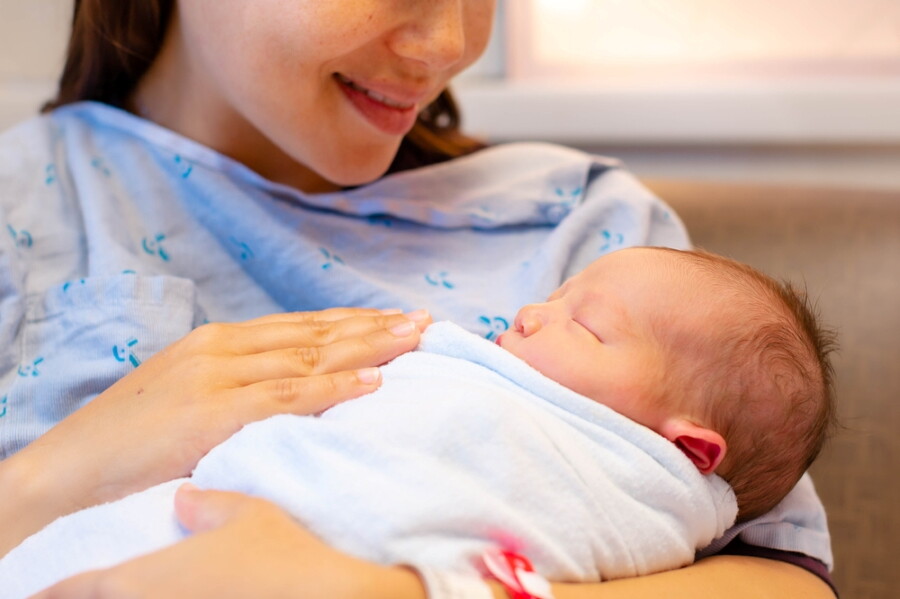
Members and their qualified dependents may avail of different PhilHealth benefits but they must first meet the required number of contributions.
PhilHealth benefits are open to all members and their qualified dependents. However, you must meet the required number of contributions to be eligible for the benefits.
How do I qualify for PhilHealth benefits?
PhilHealth is mandatory for all Filipino employees. There are two types of membership: formal and informal economy.
Formal economy members:
- Employed by the government
- Employed in the private sector
Informal economy members:
- Migrant workers
- Filipino citizens in the informal sector
- Self-earning individuals
- Filipinos with dual citizenship
- Naturalized Filipino citizens
- Citizens of other countries working or residing in the Philippines
How many months of contribution are required to receive PhilHealth benefits?
You should have paid at least nine months of premium contributions within the immediate 12-month period before the first day of your confinement.
I haven't paid my PhilHealth because I resigned. What are my options?
If you’ve stopped paying because you resigned, you can still get coverage through the Point of Care (POC) enrollment program. This is designed for patients who aren’t yet registered or are currently not eligible because they missed their premium payments.
When you’re admitted to the hospital, a medical social worker will assess you. If you qualify, you can be enrolled as a sponsored member, which gives you immediate access to your PhilHealth benefits even if you have gaps in your contribution history. Otherwise, you'll need to maintain at least nine months of payments within the 12 months before your delivery to stay eligible for the full maternity packages.
What are the requirements for claiming PhilHealth maternity benefits?
Most hospitals check your eligibility through the PhilHealth portal. If you're eligible, they'll deduct the benefit amount directly from your hospital bill before you leave. If you’re self-employed or an OFW, keep these documents ready just in case:
- PhilHealth Member Data Record
- Proof of contributions (e.g., official receipt of your last PhilHealth contribution)
- PhilHealth ID or any valid government ID
Does PhilHealth only cover normal delivery?
No, you're covered for various types of delivery as long as you give birth in an accredited hospital. The 2026 update significantly increased these benefits to give you better financial support. Here’s your updated coverage:
- ₱29,000 — Vaginal Delivery (Normal Spontaneous Delivery)
- ₱58,000 — Primary Cesarean section
- ₱62,000 — Repeat or complicated Cesarean section
By how much did the PhilHealth maternity benefits increase in 2026?
The 2026 update significantly boosted your coverage for almost all maternity packages. Here’s a quick breakdown of your old benefits compared to the new rates:
| Benefit Package | Previous Coverage | Updated Benefits |
| Vaginal delivery | ₱6,500 to ₱8,000 (Split into MCP and NSD packages) | ₱29,000 (Unified package covering the entire hospital stay) |
| Cesarean section | ₱19,000 | ₱58,000 (Primary) or ₱62,000 (Repeat/Complicated) |
| Antenatal care | ₱1,500 (minimum 4 visits) | Separate outpatient claims (minimum 8 visits encouraged) |
| Newborn care package | ₱2,950 | ₱3,500 (Includes Newborn Screening and Hearing tests) |
| Z benefits (premature/small) | ₱24,000 to ₱135,000 | Remains the same (Based on gestational age and weight) |
Can I reimburse my PhilHealth benefits after I give birth?
No, you cannot reimburse your PhilHealth maternity benefits, unlike GSIS or SSS maternity benefits. The covered amount is usually deducted from your hospital bill, including your doctor’s professional fees. The hospital or facility will process the claim directly with PhilHealth.
Will PhilHealth cover baby’s first checkup?
Yes, your baby gets two layers of financial support! First, the updated Newborn Care Package now provides ₱3,500 to cover essential health services in those first few hours, including Vitamin K, vaccines, and the Newborn Screening and Hearing tests.
Second, your delivery package (whether for a vaginal birth or a C-section) still includes two follow-up visits for you and your baby. You're entitled to these checkups within the first 72 hours and again seven days after you give birth to ensure you’re both recovering well.
Tips on Maximizing Your PhilHealth Benefits
To get the most out of your PhilHealth membership, make sure to take note of the following:
- Verify your membership or apply to be a member. Try to accomplish this during the early stages of your pregnancy so you won’t have a problem come delivery day.
- Pay your contributions. If you are not up to date with your PhilHealth premiums, make sure to leave ample time to pay the dues and be eligible for the PhilHealth maternity benefits.
- Choose a PhilHealth-accredited hospital or birth care center. Not all private hospitals automatically deduct PhilHealth benefits, so inquire about the process before your delivery.
Having a baby is exciting but it can get financially heavy. So, while PhilHealth benefits may not cover all your expenses, it goes a long way in lightening the load. Know your options and start paying those contributions. Every bit of help counts!
Did you use your PhilHealth benefits during pregnancy? Share your experience on the ParenTeam Moms and Dads Facebook group to help other parents.
References
PhilHealth. 2026. "Expansion of PhilHealth Maternity and Newborn Care Benefits." PhilHealth Circular No. 2026-0005. Pasig City: Philippine Health Insurance Corporation. Accessed on April 30, 2026. https://www.philhealth.gov.ph/circulars/2026/PC2026-0005.pdf
PhilHealth. 2022. "The Z Benefits for Premature or Small Newborns (Revision 1)." PhilHealth Circular No. 2022-0030. Pasig City: Philippine Health Insurance Corporation. Accessed on April 30, 2026. https://www.philhealth.gov.ph/circulars/2022/circ2022-0030.pdf
PhilHealth. 2015. "Social Health Insurance Coverage and Benefits for Women About to Give Birth (Revision 1)." PhilHealth Circular No. 026-2015. Pasig City: Philippine Health Insurance Corporation. Accessed on April 30, 2026. https://www.philhealth.gov.ph/circulars/2015/circ025-2015.pdf
Related articles

28 Weeks Pregnant: Baby Development, Symptoms, and Tips for Mommies
Your guide to being 28 weeks pregnant is here! Learn about key baby development milestones, how to manage new symptoms, and what you can do to stay comfortable.
6 mins to read

The Stages of Pregnancy: What to Expect for You and Baby
Get to know the stages of pregnancy! Learn about each trimester, track your baby's growth, and embrace your body’s changes.
5 mins to read

How to Track Ovulation Symptoms If You Have Irregular Periods
Tracking ovulation symptoms is key when your cycle changes. Learn how to read your body’s signs and spot your fertile window even with irregular periods.
10 mins to read

Ginger Tea in Pregnancy: Is It Safe for Morning Sickness?
Ginger tea in pregnancy can help ease morning sickness, but safe doesn’t mean unlimited. Here’s what your ob-gyn wants you to know about salabat and dosage.
7 mins to read

Does Milk Help You Sleep? How a Glass Before Bedtime Helps Kids Unwind
Does milk help you sleep? A pediatric nutrition specialist breaks down what’s true, what’s myth, and how bedtime milk fits your child’s routine.
6 mins to read

A Doctor Explains Baby Poop Color: What’s Typical and What’s Not
Baby poop color can change often, from mustard yellow to green to brown. Get a pediatrician’s take on every shade, and know exactly when to call your doctor.
10 mins to read

A Doctor Explains Cramps During Pregnancy and Other Discomforts
Experiencing cramps during pregnancy? A doctor explains what causes it, how to ease it, and when it’s worth a call to your OB to help bring you peace of mind.
7 mins to read

How a Pregnancy App Can Help You Track Your Baby’s Development
A pregnancy app can help you see how your baby grows each week. It’s a simple way to feel confident and ready for every new change.
7 mins to read

Your Complete Guide to the Types of Milk in the Grocery Aisle
Confused by the types of milk lining the grocery shelf? Here’s a clear way to compare full cream, fresh, fortified, and plant-based options for your family.
7 mins to read

Best Milk for Pregnant Women: What Nutrients to Look For
Not all milk for pregnant women is the same. Know the six nutrients that actually matter—and what to look for in nutrition labels for the best buy.
9 mins to read

A Derma’s Guide to Pregnancy Skin Care: What’s Safe and What to Avoid
Building a safe pregnancy skin care routine starts with checking the label. Discover the best ingredients for your skin and the chemicals you need to avoid right now.
8 mins to read

Early Pregnancy Pain Areas: A Dad’s Guide to Comforting His Partner
Learn how to help your partner manage early pregnancy pain areas. Small comforts like checking in, prepping light meals, and doing her chores make a huge difference.
6 mins to read

How to Deal with Pregnancy Hormones and Mood Swings
Pregnancy hormones can intensify your emotions. Learn simple ways you and your partner can handle those mood swings and get the support you need.
8 mins to read

Doctor-Approved Ways to Ease Acid Reflux in Pregnancy
Dealing with acid reflux in pregnancy is uncomfortable. Discover simple food tweaks, better sleep habits, and other doctor-approved tips to ease that sour burn today.
5 mins to read

A Doctor Explains Pregnancy Spotting Colors and Flow
Understanding your pregnancy spotting color and flow can help you spot warning signs early. Discover what to expect and when to call your doctor.
6 mins to read

5 Ways to Manage a Pregnancy Rash in the Hot Months
Treat a pregnancy rash by adjusting your daily hygiene habits. Discover how cool midday baths, gentle soaps, and loose clothing can soothe your skin now.
6 mins to read

1 Month Pregnant? A Guide to Symptoms, Baby Development, and Nutrition
Understand exactly what happens when you're 1 month pregnant! Explore common symptoms, how your baby starts growing, and vital nutrition tips for this crucial stage.
6 mins to read

Pregnancy Discharge? Your Guide to Staying Fresh and Comfortable
An increase in pregnancy discharge means your body is protecting your baby, but the extra moisture may feel uncomfortable. Learn how to stay fresh with simple habits.
5 mins to read

8 Examples of Light Exercises for Your 3rd Trimester
Discover safe and effective examples of light exercises for your third trimester. From walking to stretches, here's how to ease discomfort, and prepare for labor.
6 mins to read


