


Pregnancy brings many changes—and your skin doesn't always handle them well. If you've noticed a pregnancy rash showing up out of nowhere, especially during the hotter months, know that this is common. Heat, sweat, and shifting hormones can trigger irritation—and in tropical weather, the discomfort feels worse.
"Pregnancy really doesn’t cause these rashes, but it makes women more vulnerable," says Dr. Riza Milante, a board-certified dermatologist and dermatopathologist at Daily Skin Clinic. Because your body runs warmer and sweats more easily now, your skin becomes more prone to irritation from friction and trapped moisture.
The good news: most heat-related skin rashes during pregnancy are completely harmless. A few simple tweaks to your daily hygiene habits can make a real difference. But first—what's actually going on with your skin?
What Causes a Pregnancy Rash in Hot and Humid Weather?
Dr. Milante points out that in a tropical climate like the Philippines, most skin issues are "usually driven by heat, sweat, friction, and occlusion."
As you progress into your second and third trimesters, your growing body now has more skin folds where moisture stays trapped. If you look closely at the different types of pregnancy rash, you might spot three common conditions:
- Miliaria (heat rash): Appears in your skin folds and trunk as small, itchy red papules due to blocked sweat ducts and feels prickly on your skin.
- Fungal infections: As your body grows, your skin naturally folds and rubs together more often. This friction allows yeast to grow, causing infections to develop in damp areas like your groin, under your breasts, or underneath your tummy.
- Folliculitis: This is a bacterial infection that irritates your hair follicles. Dr. Milante explains that it can mimic acne or look like small hives.
5 Gentle Ways to Manage a Pregnancy Rash

Wearing loose, breathable cotton clothes gives your skin enough room to breathe and reduces friction on your belly.
When dealing with benign, heat-induced bumps, simple supportive therapy at home works wonders for itch relief. Here's what Dr. Milante recommends to keep your skin comfortable.
1. Take a quick, cooling bath midday.
When you sweat constantly, your skin stays damp and sticky, which can block pores. While you don't need to completely overhaul your daily routine, being mindful of the heat helps. "If you're sweaty, you can even take a bath midday or at the end of the day," Dr. Milante advises.
She suggests skipping strong, fragranced cleansers and sticking to a gentle soap, or simply letting cool water wash the sweat away. Your goal is to remove buildup, reduce rubbing, and keep your skin comfortable.
2. Keep your skin folds completely dry.
Moisture is the enemy when you’re trying to prevent fungal infections. After you take a bath, gently pat your skin dry. Avoid rubbing your skin harshly with a towel, as this creates more friction and damages your delicate skin barrier.
Make sure you completely dry any skin folds, especially the groin, under your breasts, and underneath your lower belly. While you can safely apply a mild lotion to your arms and legs to prevent dryness, avoid putting thick lotions inside skin folds. Keeping those areas totally free of moisture stops yeast and bacteria from thriving.
3. Apply a cool compress or calamine lotion.
When itching becomes hard to manage, reach for a cool compress. Wet a clean towel with cold water and lay it over the affected area. To manage a heat rash, Dr. Milante emphasizes cooling your skin and avoiding overheating.
If a wet towel isn't enough, she suggests applying calamine lotion as a safe option. For mild cases, you can stick to these types of supportive remedies.
4. Switch to loose, breathable cotton clothing.
Tight clothes trap warmth and rub against your skin. To give your body room to breathe, avoid tight clothing and use natural fabrics like cotton instead. Synthetic fabrics like polyester trap moisture, which can worsen a rash during pregnancy.
For bedtime, she suggests wearing loose shorts or a duster. If your own clothes feel too restrictive, don't hesitate to raid your partner's closet. She even shares a practical tip from her pregnancy: "I used my husband's shorts sometimes because mine didn't fit." The main goal is to wear loose, breathable clothing to keep your skin cool and comfortable.
5. Skip harsh skincare ingredients.
When bumps look like pimples, you might assume it's folliculitis and reach for an acne cream. However, Dr. Milante warns you to be careful about what you're applying to your skin. Many treatments contain ingredients that aren’t safe for expecting moms.
She specifically points out that doctors don't recommend common acne fighters like retinoids or salicylic acid during pregnancy. A 2022 review published in the Journal of Clinical and Aesthetic Dermatology backs this up, strongly recommending that expecting mothers strictly avoid topical retinoids. Instead of using strong creams, stick to basic hygiene by keeping the area cool and dry. Always check with your doctor before trying any medicated treatments.
When to See Your Doctor
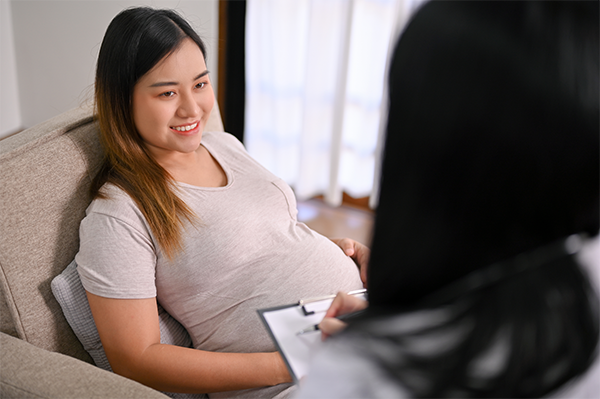
Visit your clinic if your pregnancy rash starts oozing, lasts over one to two weeks, or disrupts your sleep.
While a typical heat-related issue improves quickly with cooling and drying, some conditions require professional help.
Dr. Milante advises you to see your doctor if your bumps have been there for more than one to two weeks, become widespread, feel painful, or start oozing and forming pustules. They’ll need to check for conditions such as pruritic urticarial papules and plaques of pregnancy (PUPPP) or prurigo of pregnancy.
The American College of Obstetricians and Gynecologists (ACOG) considers a PUPPP rash and prurigo of pregnancy as uncommon skin changes. Both would require prescription relief from your doctor.
More importantly, pay close attention to where the itching occurs. "If there's an itch, but there's no rash, especially if it involves your palms and soles and is worse at night," Dr. Milante warns you to "please go see your doctor ASAP." She explains that “doctors must consider a rare disease called intrahepatic cholestasis of pregnancy."
If you feel unsure and don’t know what to watch out for during pregnancy, always consult your doctor to keep you and your baby safe.
Keeping Your Skin Comfortable
Taking care of your skin right now is all about patience and finding simple ways to stay cool. By adjusting your daily hygiene routine—like taking quick midday baths, wearing loose cotton, and patting your skin completely dry—you can effectively manage any discomfort caused by a pregnancy rash, and help prevent it from coming back. Start today by swapping out your tight clothes for something more breathable, and always pay close attention to your body's warning signs so you can get back to enjoying this special journey.
Finding the right relief is so much easier when you have a supportive community behind you. Connect with other parents on the ParenTeam Moms and Dads Facebook group and share the daily habits that helped you beat your pregnancy rash!
About Dr. Riza Milante
Dr. Riza Milante is a board-certified dermatologist and the sole practicing dermatopathologist in the Bicol region. She leads the Daily Skin Clinic, offering comprehensive medical, surgical, and aesthetic dermatological services using state-of-the-art technology. Dr. Milante honed her clinical skills through a dermatopathology fellowship at the University of California, San Francisco, alongside observerships at the Johns Hopkins Medical Institute. Combining a deep background in peer-reviewed clinical research with extensive hands-on expertise, she is well-versed in advanced procedures, including biopsies, skin cancer excisions, injectables, and laser treatments.
References
Cleveland Clinic. "Prurigo of Pregnancy." Cleveland Clinic. Last modified April 1, 2022. Accessed on April 27, 2026. https://my.clevelandclinic.org/health/diseases/22642-prurigo-of-pregnancy
Erlandson, Michael, Maggie C. Wertz, and Emily Rosenfeld. "Common Skin Conditions During Pregnancy." American Family Physician 107, no. 2 (2023): 152-158. Accessed on April 27, 2026. https://www.aafp.org/pubs/afp/issues/2023/0200.html
Marcin, Ashley. "What Causes Rashes During Pregnancy and How to Treat Them." Healthline. February 25, 2019. Accessed on April 27, 2026. https://www.healthline.com/health/pregnancy/what-causes-rashes-during-pregnancy-and-how-to-treat-them
Millar, Helen. "7 Types of Pregnancy Rash and What They Look Like." Medical News Today. Last modified January 26, 2024. Accessed on April 27, 2026. https://www.medicalnewstoday.com/articles/pregnancy-rash
Related articles

28 Weeks Pregnant: Baby Development, Symptoms, and Tips for Mommies
Your guide to being 28 weeks pregnant is here! Learn about key baby development milestones, how to manage new symptoms, and what you can do to stay comfortable.
6 mins to read

The Stages of Pregnancy: What to Expect for You and Baby
Get to know the stages of pregnancy! Learn about each trimester, track your baby's growth, and embrace your body’s changes.
5 mins to read

How to Track Ovulation Symptoms If You Have Irregular Periods
Tracking ovulation symptoms is key when your cycle changes. Learn how to read your body’s signs and spot your fertile window even with irregular periods.
10 mins to read

Ginger Tea in Pregnancy: Is It Safe for Morning Sickness?
Ginger tea in pregnancy can help ease morning sickness, but safe doesn’t mean unlimited. Here’s what your ob-gyn wants you to know about salabat and dosage.
7 mins to read

Does Milk Help You Sleep? How a Glass Before Bedtime Helps Kids Unwind
Does milk help you sleep? A pediatric nutrition specialist breaks down what’s true, what’s myth, and how bedtime milk fits your child’s routine.
6 mins to read

A Doctor Explains Baby Poop Color: What’s Typical and What’s Not
Baby poop color can change often, from mustard yellow to green to brown. Get a pediatrician’s take on every shade, and know exactly when to call your doctor.
10 mins to read

A Doctor Explains Cramps During Pregnancy and Other Discomforts
Experiencing cramps during pregnancy? A doctor explains what causes it, how to ease it, and when it’s worth a call to your OB to help bring you peace of mind.
7 mins to read

How a Pregnancy App Can Help You Track Your Baby’s Development
A pregnancy app can help you see how your baby grows each week. It’s a simple way to feel confident and ready for every new change.
7 mins to read

Your Complete Guide to the Types of Milk in the Grocery Aisle
Confused by the types of milk lining the grocery shelf? Here’s a clear way to compare full cream, fresh, fortified, and plant-based options for your family.
7 mins to read

Best Milk for Pregnant Women: What Nutrients to Look For
Not all milk for pregnant women is the same. Know the six nutrients that actually matter—and what to look for in nutrition labels for the best buy.
9 mins to read

A Derma’s Guide to Pregnancy Skin Care: What’s Safe and What to Avoid
Building a safe pregnancy skin care routine starts with checking the label. Discover the best ingredients for your skin and the chemicals you need to avoid right now.
8 mins to read

Early Pregnancy Pain Areas: A Dad’s Guide to Comforting His Partner
Learn how to help your partner manage early pregnancy pain areas. Small comforts like checking in, prepping light meals, and doing her chores make a huge difference.
6 mins to read

How to Deal with Pregnancy Hormones and Mood Swings
Pregnancy hormones can intensify your emotions. Learn simple ways you and your partner can handle those mood swings and get the support you need.
8 mins to read

Doctor-Approved Ways to Ease Acid Reflux in Pregnancy
Dealing with acid reflux in pregnancy is uncomfortable. Discover simple food tweaks, better sleep habits, and other doctor-approved tips to ease that sour burn today.
5 mins to read

A Doctor Explains Pregnancy Spotting Colors and Flow
Understanding your pregnancy spotting color and flow can help you spot warning signs early. Discover what to expect and when to call your doctor.
6 mins to read

Updated! 5 PhilHealth Benefits for You and Baby
Your PhilHealth benefits cover more than just delivery day. Here's everything you can claim under the 2026 expanded maternity benefits.
8 mins to read

1 Month Pregnant? A Guide to Symptoms, Baby Development, and Nutrition
Understand exactly what happens when you're 1 month pregnant! Explore common symptoms, how your baby starts growing, and vital nutrition tips for this crucial stage.
6 mins to read

Pregnancy Discharge? Your Guide to Staying Fresh and Comfortable
An increase in pregnancy discharge means your body is protecting your baby, but the extra moisture may feel uncomfortable. Learn how to stay fresh with simple habits.
5 mins to read

8 Examples of Light Exercises for Your 3rd Trimester
Discover safe and effective examples of light exercises for your third trimester. From walking to stretches, here's how to ease discomfort, and prepare for labor.
6 mins to read


