


How to Create a 15-Minute Morning Routine Before the Kids Wake Up
A kind of magic happens in the minutes before your household wakes up. No one is calling your name yet, and no one needs a snack or help finding their favorite stuffed animal. A simple morning routine—even just 15 quiet minutes before your preschooler wakes up—can be all it takes to set a calmer, more positive tone for the day.
Best of all, it’s simple enough to start tomorrow. A warm cup of coffee, a short prayer, or a few gentle stretching exercises—all done without distractions—are enough to help you feel like yourself again before the day picks up. And if some mornings don’t go as planned, that’s okay.
Why a 15-Minute Morning Routine Works
A morning regimen doesn't mean waking up at 5 a.m. for a two-hour wellness ritual you saw on social media. It can be as simple as carving out 15 intentional minutes at the start of your day. In fact, research shows that trying to change too much too fast usually fails, and small, simple habits are the best way to make a routine stick.
Science supports the value of routines, too. A 2025 review in the American Journal of Lifestyle Medicine found that having a predictable daily structure is linked to lower anxiety and stress, a stronger sense of control over your day, and better overall physical and mental health.
On top of that, a 2022 study in JMIR Formative Research shows that doing a simple, quiet task right when you wake up helps you shake off that groggy, half-asleep feeling (a.k.a. sleep inertia) and make better use of your morning time.
That means your 15-minute window isn't too short; it's enough to ease into the day before everything starts asking for your attention. Here’s a simple way to turn those 15 minutes into a routine you’ll actually stick to.
5 Steps to Build Your Morning Routine
At its core, your routine only needs three things: quiet, a simple habit, and consistency. Follow these five steps to claim your peace early in the day.
Step 1: Wake up just 15 minutes earlier.
Getting out of bed slightly before your kids gives you an advantage. It's the easiest way to avoid feeling like you're playing catch-up all day long.
- Set your alarm a bit earlier. Place your phone across the room so you're forced to stand up. If you share a bed with your child, slip out carefully to avoid waking them.
- Don't feel guilty if you miss a day. Parenting an active preschooler can be tiring. If you oversleep or your child wakes up with you, give yourself grace and try again tomorrow.
Step 2: Pick your quiet anchor.
A simple anchor is a simple, daily habit that tells your tired brain this time is strictly yours. Pick a comforting activity that requires minimal effort to start.
- Brew and sip coffee without interruptions. Boil water quietly and mix your favorite instant coffee. Focus entirely on the comforting smell and the warmth of the mug.
- Sit by a window with a glass of cool water. If you prefer avoiding caffeine, drink a glass of water to hydrate your body while watching the neighborhood wake up.
- Step outside your door for fresh air. Take a few deep breaths of the cool morning air on your porch before heading back inside to start your daily chores.
Step 3: Nourish your mind or spirit.
Taking a few quiet minutes can help you feel centered and ready for the day.
- Start with a short morning prayer or daily devotional to connect with your faith and ground yourself for the busy hours ahead.
- Write in a gratitude journal. List down three small things you're thankful for, like a good night's sleep or simply having a quiet moment to yourself.
- Read a page or two of a good book. Escaping into a story, even for just two minutes, gives your mind a pleasant break.
Step 4: Move your body gently.

Doing simple stretches in your pajamas helps wake up your tired muscles, giving you more energy to chase your children.
If you share a bed with your child, taking a few minutes to stretch can help release any physical tension built up from awkward positions. Plus, it helps you feel physically ready to handle an active morning.
- Wake up your muscles with gentle movements. You don't need gym clothes to fix the stiffness of sharing a bed with a preschooler. Do simple stretching exercises right in your pajamas.
- Try simple neck rolls, forward folds, and overhead arm stretches to loosen tight shoulders and the lower back. It takes three minutes max and leaves you feeling refreshed.
Step 5: Set one intention for the day.
Having a clear, positive goal helps you stay grounded when the day starts to get chaotic. A simple mental reminder keeps you acting as the calm parent you truly want to be.
- Decide what kind of parent you want to be today. Choose just one simple word or sentence, like "patient," "joyful," or "I'll speak softly when I feel upset."
- Mentally prepare for the morning rush. When your preschooler spills milk or refuses their food, your intention helps you calmly respond instead of reacting in anger.
Your Sample 15 Minutes in the Morning
Not sure how to fit everything in? Here's a simple breakdown of how your quiet morning could look:
- 0 to 2 minutes: Wake up, slip out of the room quietly, and splash cool water on your face.
- 2 to 7 minutes: Make your favorite coffee and sip it in total silence at the table.
- 7 to 11 minutes: Pray, write in your journal, or read a few pages of a book.
- 11 to 14 minutes: Do your gentle pajama stretches to loosen your back and neck.
- 14 to 15 minutes: Take a deep breath and set your single intention for the day ahead.
Tips to Make Your Routine Stick
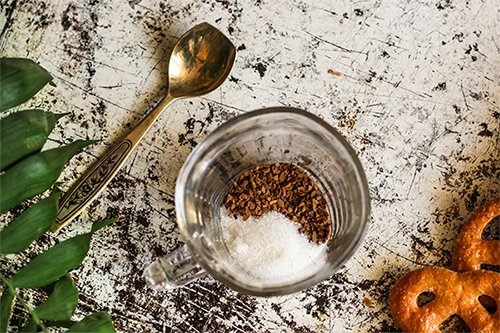
Preparing your mug and instant coffee the night before saves precious time, letting you enjoy your quiet moments immediately.
Knowing what to do is one thing; actually doing it every morning is another. These simple tips will help your new routine become a natural, effortless part of your day.
1. Prepare your space the night before.
Set out your favorite mug and your coffee sachet on the kitchen table before you go to sleep. Bookmark your devotional or place a pen next to your journal. Doing this prevents you from opening cabinets and making noise that might wake up the kids.
2. Keep your phone away during this time.
Don’t check your social media, text messages, or the daily news until your 15 minutes end. Looking at bright screens immediately puts your brain back into a stressful, reactive mode.
3. Protect this short time fiercely.
Treat this time like a highly important meeting you can’t cancel. Once the routine is set, if your child wakes up early, gently guide them back to bed or set them up with a quiet activity so you can finish your coffee.
Enjoy the Benefits of a Calm Start
Reclaiming your mornings isn’t a selfish act. It’s an essential part of calm parenting. Taking better care of yourself helps you take much better care of your growing family. Try this morning routine tomorrow, just once, and see how different the rest of your day feels. Whatever simple steps you choose, those few minutes can make a real difference. And if some days, 15 minutes turn into 5 minutes, that’s still a win.
Do you already have a calm morning routine? Share your experience with fellow parents in the ParenTeam Moms and Dads Facebook group—your story might be exactly what another tired mom or dad needs to hear today.
References
Malesu, Vijay Kumar. "How Morning Routines Influence Cognitive Performance, Mood, and Circadian Rhythm." News Medical Life Sciences. n.d. Accessed April 8, 2026. https://www.news-medical.net/health/How-Morning-Routines-Influence-Cognitive-Performance-Mood-and-Circadian-Rhythm.aspx
Greenstein, Luna. "The Power of a Morning Routine." National Alliance of Mental Illness. August 9, 2017. Accessed April 8, 2026. https://www.nami.org/blog/the-power-of-a-morning-routine/
British Medical Journal. "Generally, things really do seem better in the morning, large study suggests." Medical Xpress. February 4, 2025. Accessed April 8, 2026. https://medicalxpress.com/news/2025-02-generally-morning-large.html
Bu, F., J. K. Bone, and D. Fancourt. "Will things feel better in the morning? A time-of-day analysis of mental health and wellbeing from nearly 1 million observations." BMJ Mental Health 28 (2025). Accessed April 8, 2026. https://mentalhealth.bmj.com/content/28/1/e301418
Taylor, Ian. "This is the optimal morning routine, according to science." BBC Science Focus. November 20, 2025. Accessed April 8, 2026. https://www.sciencefocus.com/wellbeing/perfect-morning-routine-science
Related articles

Sterilized Milk Benefits for Growing Kids: What Parents Should Know
Sterilized milk benefits your whole household, from safety to shelf life. Here’s what it offers your family and your growing kids.
5 mins to read

Does Your Preschooler Need Fresh Milk or Growing-Up Milk?
Fresh milk gives your preschooler a strong start—but does it cover everything they need? Here’s how to know if growing-up milk can help your child.
7 mins to read

6 Budget-Friendly Milk Products for Your Preschooler’s Baon
Milk products don’t have to strain your budget. Here are six affordable picks that fit your preschooler’s baon and their growing needs.
7 mins to read

6 Benefits of Protein in Milk for Preschoolers
Protein in milk gives your preschooler the fuel to play hard, grow strong, and fight germs—here’s exactly how it works and how much they need.
7 mins to read

Powdered Milk or Fortified Milk: What’s the Difference for Your Preschooler?
Powdered milk and fortified milk might seem similar, but they serve different purposes. Learn how they differ and which one your preschooler might need.
6 mins to read

8 Masustansyang Ulam Ideas for Your Preschooler’s Healthy Weight Gain
Consistent weight gain happens when you serve the right meals. Discover eight budget-friendly ulam ideas packed with nutrients for your growing child.
6 mins to read

6 Key Benefits of Milk to Fuel Your Active Preschooler
The benefits of milk go beyond strong bones—fueling energy, sharpening focus, and building immunity for your always-on-the-go preschooler.
6 mins to read

10 Tipid Gift Ideas for Mothers that Dads and Kids Can Do Together
These creative gift ideas for mothers help you lead the kids in making something special. Learn how to pull off a heartfelt surprise on a budget.
6 mins to read

Your Guide to Sugar Reduction to Raise Healthier, Happier Eaters
Forget strict sugar restrictions. Here's a more relaxed approach to sugar to keep your kid’s sweet tooth satisfied.
5 mins to read

Your Preschooler Eats Enough. But Are They Getting the Right Nutrients?
Even with regular meals, kids may miss out on essential vitamins and minerals. Here's how to spot the signs and feel confident about healthy meal planning.
6 mins to read

Brain Vitamins for Kids: What Matters for Thinking and Learning
Here's a list of the best brain vitamins for kids, which don't come in a bottle.
5 mins to read

Prebiotics vs. Probiotics: Which One Is Better for Your Child?
Here's a quick prebiotic vs. probiotic game: which one is the good bacteria, and which one is food to microbes? Read to know which one supports your child's gut health!
8 mins to read

Child Obesity Can Lead to "Adult" Diseases: How to Help Prevent It
Without early intervention, child obesity puts kids at risk for serious conditions at younger ages, not just later in life.
7 mins to read

Healthy Food for Kids: The Basics of Eating Well
Raise a preschooler to love all kinds of food! Learn the basics of balanced meals, smart snacks, and how to make nutritious food fun and stress-free.
7 mins to read

9 Fun Ways to Help Your Preschoolers Make Nutritious Food Choices
Choosing nutritious food is easier when you turn it into a fun game for your child. Learn how to empower your preschoolers to pick the right snacks today.
7 mins to read

On a Tight Budget? 11 Diskarte Tips to Stretch Your Food Allowance
Stretching a tight budget is easier with the right diskarte. Learn how to shop smart, cook better, and serve nutritious food for your kids without overspending.
6 mins to read

How to Interpret the Percentages on a Nutrition Facts Label
A registered nutritionist-dietitian shares the important things to know when reading a nutrition facts label at the supermarket.
7 mins to read

Baon Ideas: 15 Healthy Snacks for Kids 3 Years Old and Up
Finding healthy snacks for kids just got easier. Discover tasty, simple ideas for school baon that your child will eat, from fruit skewers to oat energy balls!
8 mins to read

10 Bible Stories for Kids That Teach Values They Can Live By
Teaching big values to preschoolers isn’t easy. These Bible stories for kids bring concepts like patience and kindness in a way little minds can get.
13 mins to read


