


On a Tight Budget? 11 Diskarte Tips to Stretch Your Food Allowance
Scroll through parenting groups on FB, and you’ve probably seen moms asking how to make their peso stretch to feed their families. When you’re on a tight budget, staring at a single bill and figuring out how to buy nutritious food for your preschooler can feel overwhelming. But creating a healthy meal plan for a Filipino family doesn’t have to cost a fortune.
A 2024 study published in the Philippine Journal of Science found that households that spent below the minimum food cost threshold were less likely to meet their protein and micronutrient needs. This means smart budgeting isn’t just about saving money; it directly affects your family’s nutrition.
Here’s how you can stretch your food allowance while keeping everyone full and strong.
Shop Smarter for Your Groceries
Getting the most out of your budget starts before you even step into the kitchen, whether you're at the palengke or the supermarket.
1. Know when to buy in bulk or tingi.
Buying your staple food in bulk is cheaper in the long run, but it requires more cash up front. If your daily budget is limited, the tingi-tingi system at your nearest sari-sari store is a lifesaver. To decide which to choose, follow this simple rule:
- Buy in bulk: Choose large sizes for non-perishable items you use every day, like rice, cooking oil, or soy sauce.
- Buy tingi: Use the tingi-tingi system for fresh ingredients that spoil quickly (a few cloves of garlic or two tomatoes) or for items you only need for a specific meal, like small pouch of tomato sauce.
2. Buy store brands.
When you shop at the supermarket, look for the store's own line of products. You’ll find meat and condiments like cooking oil, sugar, and soy sauce at a much lower price than other brands. Check the nutrition facts label to ensure that you're getting the same quality for your daily cooking, but spending less. Switching to these generic brands can help free up more of your food allowance for other items.
3. Prioritize seasonal produce.
Always go for what’s abundant in the market that week because these items are usually priced lower. If eggplants or squash are overflowing at the stalls, plan your dishes around them. Choosing local produce helps you serve healthy family meals without keeping costs low.
Make the Most of Your Meat and Ingredients

Cook one-pot soupy meals like tinola or sinigang to stretch your budget and keep your family full.
Once you’ve scored those great deals, you can make those ingredients last longer by changing up how you prepare them.
1. Cook one-pot meals.
One of the best ways to save on ingredients (and on LPG) is by cooking one-pot Filipino favorites. Soupy dishes like tinola, sinigang, or nilaga include vegetables and protein, and the broth helps everyone feel full when paired with rice, so you don't need to buy a lot of expensive meat.
You can also make these budget-friendly Filipino dishes last for dinner or the next day's lunch—just add a little more water, a pinch of seasoning, and a handful of malunggay or kangkong before you reheat them.
2. Mix healthy extenders into your protein.
Extenders help lower your overall grocery bill by replacing a portion of expensive meat with more affordable, whole-food alternatives. Mix tofu or boiled munggo into your ground pork for gising-gising or tortang talong, or use breadcrumbs or oats to stretch your meat mixture for bola-bola or meatloaf. Adding extra potatoes, sayote, or carrots to other meat dishes is also a great way to bulk up your food.
3. Adjust portions and rebalance your plate.
You don’t need to remove meat entirely; you just need to serve it more strategically. Instead of giving large portions of meat per person, slice it thinner or cut it into smaller pieces, so it stretches across more servings.
Fill half the plate with vegetables, add a moderate serving of rice, and treat meat as a flavor booster rather than the main volume of the meal. Soupy dishes help with this because the broth and vegetables make each serving more filling.
4. Practice weekly meal planning.
Create a simple yet nutritious meal plan, so you know exactly what ingredients to buy for the week. Start by looking up cheap Filipino food recipes or the Department of Science and Technology–Food and Nutrition Research Institute’s (DOST-FNRI) Menu Guide, and take stock of what you already have before making your grocery list. This stops you from picking up items you don't need and helps you make use of everything in your fridge.
You can plan meals that intentionally turn into your next dish. When you cook adobo or tinola, make extra so you can shred the leftover chicken for fried rice, sopas, or sandwich fillings the next day. This cook-once-eat-twice strategy helps you save on LPG, time, and ingredients while making sure nothing goes to waste.
Cut Your Daily Living Costs
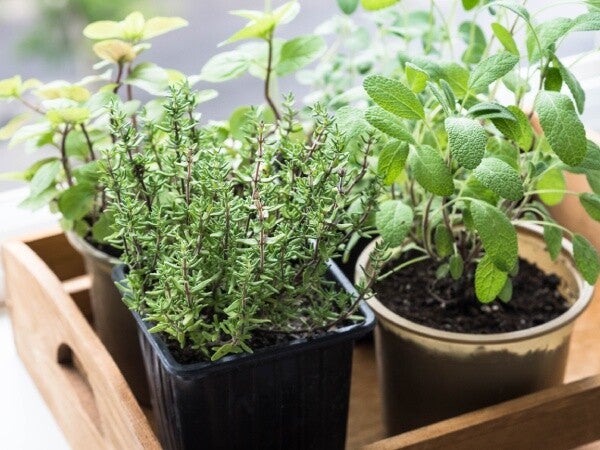
Save more by growing your own herbs and veggies in recycled containers and choosing whole food as snacks over junk food.
Beyond your cooking routine, try simple lifestyle changes to free up extra cash.
1. Grow your own vegetables at home.
Research backyard vegetable garden ideas, like planting in old baldes or empty plastic bottles. Growing malunggay, sili, or kamote tops gives you steady access to fresh ingredients containing essential vitamins and minerals for your family. You can simply pick a few leaves to add to your soup, making your meals more nutritious while keeping your grocery costs down.
2. Choose whole-food snacks over processed ones.
It's tempting to buy junk food and chips because they’re cheap, but they don't keep your family full for long. Instead, look for local whole foods like boiled saging na saba or nilagang kamote to help your kids stay full and well-nourished even when money is tight. While some fruits can be pricey, buying what’s in season often provides better value and more energy than processed snacks.
3. Look for alternative protein sources.
Meat isn't the only way to get protein. The DOST-FNRI’s Nutritional Guidelines for Filipinos advises consuming eggs, dried beans, or nuts daily for the growth and repair of body tissues.
Eggs and munggo (mung beans) are incredible superfoods that costs far less than most meats. A bowl of ginisang munggo with tinapa and malunggay is a powerhouse meal that costs a fraction of a beef dish.
4. Repurpose your leftovers into new meals.
Instead of throwing away yesterday's pritong isda (fried fish), you can use it for another meal by turning it into a savory sarciado with a few tomatoes and an egg. Leftover chicken or pork can be shredded and mixed into fried rice or a hearty sopas. Repurposing food ensures every peso you spend is put to good use.
Making Every Peso Count for Your Family
Raising a healthy family on a tight budget takes careful planning and smart daily choices. By buying smarter, adjusting portions, planning leftovers, and mixing affordable extenders into your meals, you can make every peso in your food budget work harder for your family. Small daily adjustments help you protect your budget while making sure your family stays nourished and energized.
Head on over to the ParenTeam Moms and Dads Facebook group and share the favorite recipes that help your family survive on a tight budget!
References
Greenpeace Philippines. 2024. "Kuha sa Tingi: Bringing Back Sustainability into Filipino Tingi Culture." Quezon City: Greenpeace SEA Environmental Trust, Inc. Accessed March 3, 2026. https://www.greenpeace.org/static/planet4-philippines-stateless/2024/03/a4e1151c-digital_kst-report_pages.pdf
Harvard T.H. Chan School of Public Health. 2022. “Strategies for Eating Well on a Budget.” The Nutrition Source. Last reviewed December 2022. Accessed March 3, 2026. https://nutritionsource.hsph.harvard.edu/strategies-nutrition-budget/
Robinson, Lawrence, and Melinda Smith. 2026. “Eating Well on a Budget.” HelpGuide.org. Last updated February 19, 2026. Accessed March 3, 2026. https://www.helpguide.org/wellness/nutrition/eat-healthy-for-less
Related articles

Sterilized Milk Benefits for Growing Kids: What Parents Should Know
Sterilized milk benefits your whole household, from safety to shelf life. Here’s what it offers your family and your growing kids.
5 mins to read

Does Your Preschooler Need Fresh Milk or Growing-Up Milk?
Fresh milk gives your preschooler a strong start—but does it cover everything they need? Here’s how to know if growing-up milk can help your child.
7 mins to read

6 Budget-Friendly Milk Products for Your Preschooler’s Baon
Milk products don’t have to strain your budget. Here are six affordable picks that fit your preschooler’s baon and their growing needs.
7 mins to read

6 Benefits of Protein in Milk for Preschoolers
Protein in milk gives your preschooler the fuel to play hard, grow strong, and fight germs—here’s exactly how it works and how much they need.
7 mins to read

Powdered Milk or Fortified Milk: What’s the Difference for Your Preschooler?
Powdered milk and fortified milk might seem similar, but they serve different purposes. Learn how they differ and which one your preschooler might need.
6 mins to read

8 Masustansyang Ulam Ideas for Your Preschooler’s Healthy Weight Gain
Consistent weight gain happens when you serve the right meals. Discover eight budget-friendly ulam ideas packed with nutrients for your growing child.
6 mins to read

6 Key Benefits of Milk to Fuel Your Active Preschooler
The benefits of milk go beyond strong bones—fueling energy, sharpening focus, and building immunity for your always-on-the-go preschooler.
6 mins to read

10 Tipid Gift Ideas for Mothers that Dads and Kids Can Do Together
These creative gift ideas for mothers help you lead the kids in making something special. Learn how to pull off a heartfelt surprise on a budget.
6 mins to read

How to Create a 15-Minute Morning Routine Before the Kids Wake Up
A calm day starts with you. Build a quick morning routine to find quiet time before the household chaos begins, so you can respond to your kids with patience.
7 mins to read

Your Guide to Sugar Reduction to Raise Healthier, Happier Eaters
Forget strict sugar restrictions. Here's a more relaxed approach to sugar to keep your kid’s sweet tooth satisfied.
5 mins to read

Your Preschooler Eats Enough. But Are They Getting the Right Nutrients?
Even with regular meals, kids may miss out on essential vitamins and minerals. Here's how to spot the signs and feel confident about healthy meal planning.
6 mins to read

Brain Vitamins for Kids: What Matters for Thinking and Learning
Here's a list of the best brain vitamins for kids, which don't come in a bottle.
5 mins to read

Prebiotics vs. Probiotics: Which One Is Better for Your Child?
Here's a quick prebiotic vs. probiotic game: which one is the good bacteria, and which one is food to microbes? Read to know which one supports your child's gut health!
8 mins to read

Child Obesity Can Lead to "Adult" Diseases: How to Help Prevent It
Without early intervention, child obesity puts kids at risk for serious conditions at younger ages, not just later in life.
7 mins to read

Healthy Food for Kids: The Basics of Eating Well
Raise a preschooler to love all kinds of food! Learn the basics of balanced meals, smart snacks, and how to make nutritious food fun and stress-free.
7 mins to read

9 Fun Ways to Help Your Preschoolers Make Nutritious Food Choices
Choosing nutritious food is easier when you turn it into a fun game for your child. Learn how to empower your preschoolers to pick the right snacks today.
7 mins to read

How to Interpret the Percentages on a Nutrition Facts Label
A registered nutritionist-dietitian shares the important things to know when reading a nutrition facts label at the supermarket.
7 mins to read

Baon Ideas: 15 Healthy Snacks for Kids 3 Years Old and Up
Finding healthy snacks for kids just got easier. Discover tasty, simple ideas for school baon that your child will eat, from fruit skewers to oat energy balls!
8 mins to read

10 Bible Stories for Kids That Teach Values They Can Live By
Teaching big values to preschoolers isn’t easy. These Bible stories for kids bring concepts like patience and kindness in a way little minds can get.
13 mins to read


