


9 Fun Ways to Help Your Preschoolers Make Nutritious Food Choices
You look at your preschooler’s untouched vegetables and sigh. It’s a common worry for many parents—are they getting the right nutrients to grow big and strong? Helping your child eat well isn’t only about what you serve. It’s also about teaching them to recognize and choose nutritious food on their own.
Early guidance is important because picky eating is often a trait-like habit that persists. A study in Pediatrics found that those who are picky at age four typically remain so for years. To prevent these habits from sticking, experts suggest shifting away from demanding feeding styles, which are often linked to higher levels of pickiness.
Instead of turning mealtime into a battle, turn food choices into a game. These playful challenges help your child learn which foods fuel their bodies best—without feeling pressured. In fact, a 2019 study published in the Journal of Nutrition Education and Behavior found that families with preschoolers who use interactive digital games and food challenges significantly improve their knowledge of food portions and nutrients.
These simple, playful strategies encourage your child to make smarter food choices daily. By keeping things enjoyable, you take the pressure off mealtime and build a positive relationship with eating
1. Turn Grocery Shopping into a Nutrition Treasure Hunt
Bring your child along when buying groceries at the supermarket or palengke and turn the trip into a game. Keep them engaged by creating small missions like:
- Find three colorful fruits
- Pick a whole-grain snack
- Bring back something protein-rich
Give them a point each time they find healthy food. This simple activity helps them learn and keeps them distracted from begging for sweet treats. Over time, these small games help your child practice choosing nutritious food even when you're not around, like at school or birthday parties.
2. Use a Rainbow Food Challenge
Grouping foods by color is a simple way to teach your preschooler about variety. You can turn this into a mission by challenging them to eat items from different color groups to complete their rainbow.
- Red: tomatoes, watermelons, strawberries
- Green: spinach, broccoli, malunggay
- Yellow or orange: carrots, ripe mangoes, squash
- Purple: eggplants, grapes
You can create a weekly rainbow chart and let them place stickers whenever they eat from a new color group. Eventually, your child begins to understand that a colorful plate often means healthier choices.
3. Let Kids Score Their Own Meals
Create a simple "power points" system for their baon or snacks. Giving them a way to measure their choices builds strong, healthy habits early on.
- Vegetables = 3 points
- Fresh fruits = 2 points
- Whole grains = 2 points
- Sugary drinks = 0 points
When kids choose their snacks, let them add up their points for the day. The goal isn't a perfect score. Instead, it makes them pause and think about why an ingredient is good for them. They’ll start to feel proud when their healthy choices earn a high score. These small decisions help your child feel more confident choosing nutritious foods on their own.
4. Play Nutrition-Based Digital Games

Interactive food games like NutriRush help kids recognize "Glow, Build, and Go" foods while having fun on their own.
Educational apps can make learning about food exciting. A 2019 study in the Philippines showed that interactive web-based nutrition games help children score higher on food knowledge tests and make the learning process feel fun and easy. While this specific study looked at kids ages 7 to 10, the core idea works wonders for your preschooler, too.
Digital games challenge kids to:
- Sort items into healthy and less healthy groups
- Build balanced meals
- Collect points for good ingredients
For example, playing the digital food game NutriRush rewards players for picking items that support energy and growth. This helps your child associate nutritious food with winning. Kids practice making smart choices on screen first, so they feel more confident when choosing food at home.
5. Create a Build-Your-Plate Game
Instead of plating their food for them, turn dinner preparation into a small challenge. You can use the Pinggang Pinoy guide by the Food and Nutrition Research Institute (FNRI) to help your child build a balanced meal.
Ask them to pick items for their plate using these three simple categories:
- Go foods: Energy-giving foods like rice, bread, or pasta
- Grow foods: Body-building food like fish, eggs, or beans
- Glow foods: Protective foods like green vegetables and fruits
You can create homemade cards or fridge magnets representing each group, so they begin to understand how different items support their bodies. Explore how kids can eat a balanced, healthy diet for more ideas on categorizing their meals.
6. Use Storytelling to Explain What Food Does
Try swapping out strict instructions for imaginative stories to spark your child's interest in everyday meals. You can give their food superpowers to help them understand exactly what it does for their bodies.
- Carrots help your eyes see better in the dark
- Fish helps your brain grow stronger and faster
- Milk helps your bones become sturdy for jumping
Connecting food to thrilling ideas, like gaining super strength or jumping higher, gives them a reason to eat, making mealtime much less stressful for both of you.
7. Start a Family Food Explorer Challenge
The American Academy of Pediatrics (AAP) recommends turning everyday routines into opportunities for play and letting your child lead the story. You can apply this to eating by starting a weekly food explorer challenge.
Let your child:
- Choose the new food
- Learn where it comes from
- Decide how to prepare it
You can track their discoveries on a map at home. Encourage taste tests and sensory play. Let your child touch or smell new ingredients first so unfamiliar textures feel less intimidating. This turns the act of trying unfamiliar dishes into an adventure instead of a chore.
8. Let Your Child Be the Snack Boss
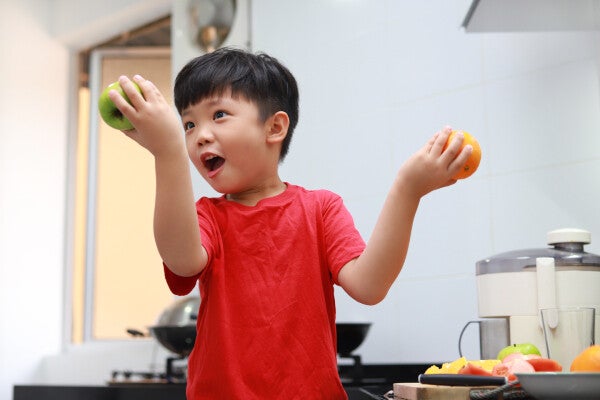
Letting your child choose their own healthy portions from two or three options builds confidence and smart habits.
Your preschooler will likely eat better if they choose the food themselves. Instead of simply handing them a prepared plate, turn snack time into an empowering choice game. Set up a small area with a variety of nutritious foods and let them be the boss of their own snack.
- Offer two or three healthy options, like fresh vegetables, fruits, or low-fat dairy products
- Provide smaller bowls and cups, and let them choose their own serving size
- Schedule snacks at a planned time, sit together, and keep the TV off to create a calm environment
When you limit their access to low-nutrient foods and let them pick from good options, the AAP notes that you pave the way for good habits.
9. Celebrate Smart Decisions Every Day
According to the AAP, preschool-age children are still developing their habits and need regular encouragement to eat well. So, when your child chooses a nutritious option, make sure to acknowledge their decision warmly.
- "That was a smart snack choice."
- "Your plate has lots of colorful foods today."
This kind of gentle encouragement builds their confidence and their independence, all without pressuring them to eat.
Ready to Gamify Your Next Meal?
Teaching kids to choose nutritious food takes time, patience, and lots of encouragement.
But when you turn healthy eating into games and small challenges, the process becomes much more engaging for both of you. Instead of simply telling your preschoolers what to eat, these interactive activities help them recognize the right ingredients and make better choices independently.
Want to share your own tips for making eating healthy appealing? Join the conversation with other parents on the ParenTeam Moms and Dads Facebook group and tell everyone how you help your kids choose nutritious food every day!
References
American Academy of Pediatrics. 2015. "Sample Menu for a Preschooler." healthychildren.org. Last modified December 21, 2015. Accessed March 9, 2026. https://www.healthychildren.org/English/ages-stages/preschool/nutrition-fitness/Pages/Sample-One-Day-Menu-for-a-Preschooler.aspx
Kato-Lin, Y., U. Kumar, B. Sri Prakash, B. Prakash, V. Varadan, S. Agnihotri, N. Subramanyam, P. Krishnatray, and R. Padman. 2020. "Impact of Pediatric Mobile Game Play on Healthy Eating Behavior: Randomized Controlled Trial." JMIR Mhealth Uhealth 8, no. 11: e15717. Accessed March 9, 2026. https://doi.org/10.2196/15717
Section on Obesity. 2016. "Feeding & Nutrition Tips: 4-to 5-Year-Olds." healthychildren.org. Accessed March 9, 2026. https://www.healthychildren.org/English/ages-stages/preschool/nutrition-fitness/Pages/Feeding-and-Nutrition-Your-4-to-5-Year-Old.aspx
Related articles

Sterilized Milk Benefits for Growing Kids: What Parents Should Know
Sterilized milk benefits your whole household, from safety to shelf life. Here’s what it offers your family and your growing kids.
5 mins to read

Does Your Preschooler Need Fresh Milk or Growing-Up Milk?
Fresh milk gives your preschooler a strong start—but does it cover everything they need? Here’s how to know if growing-up milk can help your child.
7 mins to read

6 Budget-Friendly Milk Products for Your Preschooler’s Baon
Milk products don’t have to strain your budget. Here are six affordable picks that fit your preschooler’s baon and their growing needs.
7 mins to read

6 Benefits of Protein in Milk for Preschoolers
Protein in milk gives your preschooler the fuel to play hard, grow strong, and fight germs—here’s exactly how it works and how much they need.
7 mins to read

Powdered Milk or Fortified Milk: What’s the Difference for Your Preschooler?
Powdered milk and fortified milk might seem similar, but they serve different purposes. Learn how they differ and which one your preschooler might need.
6 mins to read

8 Masustansyang Ulam Ideas for Your Preschooler’s Healthy Weight Gain
Consistent weight gain happens when you serve the right meals. Discover eight budget-friendly ulam ideas packed with nutrients for your growing child.
6 mins to read

6 Key Benefits of Milk to Fuel Your Active Preschooler
The benefits of milk go beyond strong bones—fueling energy, sharpening focus, and building immunity for your always-on-the-go preschooler.
6 mins to read

10 Tipid Gift Ideas for Mothers that Dads and Kids Can Do Together
These creative gift ideas for mothers help you lead the kids in making something special. Learn how to pull off a heartfelt surprise on a budget.
6 mins to read

How to Create a 15-Minute Morning Routine Before the Kids Wake Up
A calm day starts with you. Build a quick morning routine to find quiet time before the household chaos begins, so you can respond to your kids with patience.
7 mins to read

Your Guide to Sugar Reduction to Raise Healthier, Happier Eaters
Forget strict sugar restrictions. Here's a more relaxed approach to sugar to keep your kid’s sweet tooth satisfied.
5 mins to read

Your Preschooler Eats Enough. But Are They Getting the Right Nutrients?
Even with regular meals, kids may miss out on essential vitamins and minerals. Here's how to spot the signs and feel confident about healthy meal planning.
6 mins to read

Brain Vitamins for Kids: What Matters for Thinking and Learning
Here's a list of the best brain vitamins for kids, which don't come in a bottle.
5 mins to read

Prebiotics vs. Probiotics: Which One Is Better for Your Child?
Here's a quick prebiotic vs. probiotic game: which one is the good bacteria, and which one is food to microbes? Read to know which one supports your child's gut health!
8 mins to read

Child Obesity Can Lead to "Adult" Diseases: How to Help Prevent It
Without early intervention, child obesity puts kids at risk for serious conditions at younger ages, not just later in life.
7 mins to read

Healthy Food for Kids: The Basics of Eating Well
Raise a preschooler to love all kinds of food! Learn the basics of balanced meals, smart snacks, and how to make nutritious food fun and stress-free.
7 mins to read

On a Tight Budget? 11 Diskarte Tips to Stretch Your Food Allowance
Stretching a tight budget is easier with the right diskarte. Learn how to shop smart, cook better, and serve nutritious food for your kids without overspending.
6 mins to read

How to Interpret the Percentages on a Nutrition Facts Label
A registered nutritionist-dietitian shares the important things to know when reading a nutrition facts label at the supermarket.
7 mins to read

Baon Ideas: 15 Healthy Snacks for Kids 3 Years Old and Up
Finding healthy snacks for kids just got easier. Discover tasty, simple ideas for school baon that your child will eat, from fruit skewers to oat energy balls!
8 mins to read

10 Bible Stories for Kids That Teach Values They Can Live By
Teaching big values to preschoolers isn’t easy. These Bible stories for kids bring concepts like patience and kindness in a way little minds can get.
13 mins to read


