


Maybe you’re having Sunday lunch when a relative scoops an extra cup of rice onto your plate, reminding you to "eat for two." While it’s a sweet gesture, instead of simply eating more, focus on eating better. The quality of the food for pregnant women is what truly shapes your little one's future.
Here’s a guide to the best foods to focus on, what to skip for now, and how to easily support your growing baby without stressing over every meal.
Why Your Diet Matters More Than Ever
According to UNICEF, the foundations for your baby’s health and development are built during the first 1,000 days of their life (spanning from pregnancy until their second birthday). By choosing nutrient-dense foods, you strengthen your baby’s foundation for survival, growth, and long-term health.
A 2021 review on maternal and child undernutrition shows that prioritizing your health during pregnancy can actually lower your child's risk of developing conditions like diabetes or heart disease later on.
Best Food for Pregnant Women in the Philippines
Based on the FNRI-DOST’s Philippine Dietary Reference Intakes (PDRI), you need about 300 extra calories a day in your second and third trimesters. Since these extra calories support your baby’s development, make them nutrient-dense.
Follow the Pinggang Pinoy guide for expecting mothers to get a balanced mix of Go, Grow, and Glow foods. You can find these options in any palengke without stretching your budget
Go foods: carbohydrates
Instead of relying only on white rice, try adding kamote (sweet potato), brown rice, or whole-wheat bread to your meals. These Go foods provide long-lasting energy and are packed with fiber to help prevent constipation, a very common pregnancy complaint.
Saba (boiled or added to soup) is also an excellent, filling carbohydrate that provides energy and potassium.
Grow foods: proteins
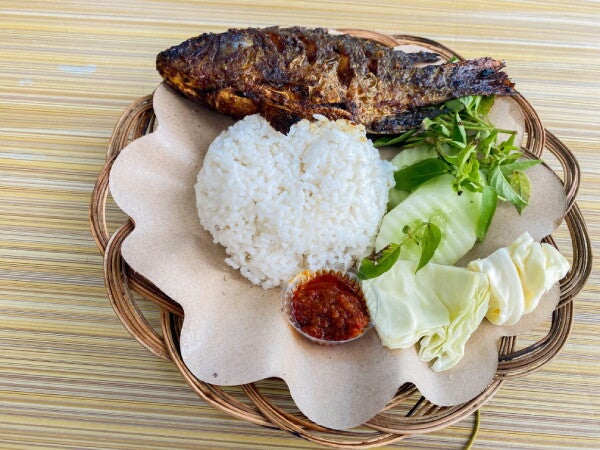
Eating local greens and lean proteins daily provides the vitamins and minerals your baby needs for healthy growth.
Eggs contain choline, a nutrient that supports your baby’s memory and learning abilities. Lean pork and local fish, like bangus or galunggong, are also great choices. These proteins help build your baby’s muscles and tissues while keeping you feeling strong throughout the day.
Glow foods: vegetables and fruits
Don't overlook the power of local produce! Leafy greens like malunggay, pechay, and kangkong are packed with folic acid and iron to prevent anemia and help form your baby’s spine.
Pair these with vitamin-rich fruits like ripe papaya or guyabano. These Glow foods provide the vitamin C needed to boost your immune system and the fiber you need to help with digestion.
Nutrients You Need to Help Your Baby
Your body needs specific nutrients to support the new life growing inside you. According to a 2021 review on interventions to address maternal and child malnutrition, getting the right mix of nutrients lowers the risk of low birthweight.
While your doctor will likely prescribe supplements, you can complement them with nutrient-rich food choices. If you want to make sure you’re covering all your bases, you can check out this guide on preventing micronutrient deficiency during pregnancy.
Folate
Getting enough folic acid is one of the most important things you can do for your child. It protects your baby from neural tube defects. Adding folate-rich foods to your diet gives you an extra layer of protection.
Iron
Your blood volume increases significantly when you're pregnant to support the placenta. You need more iron to make sure both you and your baby get enough oxygen. Pair your iron-rich meats or beans with vitamin C (like a quick squeeze of calamansi) to help your body absorb the mineral much better.
Iodine
Using iodized salt in your cooking is a simple, low-cost way to get enough iodine. This mineral is crucial because it helps form your baby's brain and nervous system, making a difference for your little one's cognitive future.
Calcium
If you don’t get enough calcium, your body pulls it from your bones to support your baby. If you aren't getting enough calcium, your body will pull it from your own bones to give to your little one. To protect your bones and meet your baby’s calcium needs, increase your daily intake. Drink low-fat milk or eat calcium-rich foods like small fish (dilis) and tofu.
Read more about how this essential mineral protects you from complications in this guide to the importance of calcium during pregnancy.
Foods and Drinks to Avoid During Pregnancy
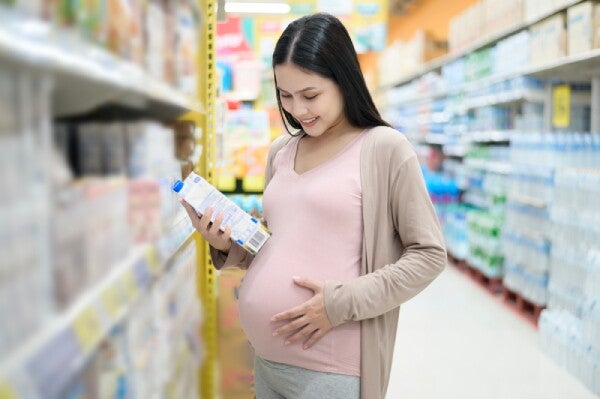
When it comes to food for pregnant women, check for pasteurization and avoid raw food to prevent infection from bacteria.
The US Food and Drug Administration (FDA) advises expectant mothers to be extra careful about food safety to prevent foodborne illnesses. Stay away from certain high-risk items for the next few months, such as:
- Raw food like kinilaw and sashimi, or undercooked meat. Raw food can carry bacteria or parasites that lead to infections.
- High-mercury fish, such as swordfish, king mackerel, or marlin. These kinds of fish often contain high levels of mercury that can affect your baby’s developing nervous system.
- Unpasteurized dairy as they can carry harmful bacteria like Listeria, which can cause serious complications during pregnancy.
To make things easier on your next grocery run or restaurant visit, check out this list of foods to avoid when pregnant.
Smart Eating Habits
How you eat is just as important as what you eat. Developing healthy eating habits now will make your pregnancy journey much smoother and more comfortable.
- Eat smaller meals more frequently to help make digestion much easier as your baby grows and takes up more space.
- Drink plenty of water (around 8 to 10 glasses) throughout the day to stay hydrated. This helps manage pregnancy swelling and keeps your amniotic fluid at the right level for your baby.
- Cook at home whenever possible, so you have total control over the amount of oil, sugar, and salt in your food. Plus, you can ensure food hygiene during preparation.
Managing Common Pregnancy Cravings and Discomforts
Pregnancy often comes with strong urges for specific flavors and less-than-pleasant physical symptoms, but you can easily manage both while still supporting your health.
- Dealing with morning sickness: If you feel nauseous in your first trimester, try nibbling on a plain cracker.
- Healthy swaps for cravings: If you're craving something sweet, reach for a piece of mango or a banana instead of candy or cake. If you want something salty, try a small handful of nuts or some roasted corn instead of processed chips.
Investing in Your Baby’s Health
Now that you know the best food for pregnant women, you can make sure that every meal supports your baby’s growth. Dishes like tinola with plenty of malunggay or ginisang monggo are naturally balanced, filling, and budget-friendly. Check out these pregnancy meal plan ideas so it’s easier to stay on track, ensuring you and your baby thrive every single day.
Connect with other parents on the ParenTeam Moms and Dads Facebook group and share your favorite food for pregnant women.
References
John, C. C., M. M. Black, and C. A. Nelson 3rd. "Neurodevelopment: The Impact of Nutrition and Inflammation During Early to Middle Childhood in Low-Resource Settings." Pediatrics 139, no. Suppl 1 (April 2017): S59–S71. Accessed February 24, 2026.https://doi.org/10.1542/peds.2016-2828H
Lynch, S. R., and J. D. Cook. "Interaction of Vitamin C and Iron." Annals of the New York Academy of Sciences 355 (1980): 32–44. Accessed February 24, 2026. https://doi.org/10.1111/j.1749-6632.1980.tb21325.x
UNICEF. "UNICEF Calls for Stronger Focus on the First 1,000 Days to Break Through the Learning Crisis for Children in the Philippines." December 5, 2025. Accessed February 24, 2026. https://www.unicef.org/philippines/press-releases/unicef-calls-stronger-focus-first-1000-days-break-through-learning-crisis-children
World Health Organization. Guideline: Daily Iron and Folic Acid Supplementation in Pregnant Women. December 28, 2012. Accessed February 24, 2026.
https://www.who.int/publications/i/item/9789241501996
Related articles

Your Guide to Nutritious Food for Pregnant Women
Choosing the right food for pregnant women helps you stay strong and supports your baby’s growth. Discover healthy meals, essential nutrients, and smart eating habits.
6 mins to read

Easy Pregnancy Meal Plan Ideas for Pinoy Moms
Looking for a pregnancy meal plan? This 7-day guide for Filipino moms-to-be offers healthy recipes, nutrient advice, and snack ideas. Start eating well for your baby!
8 mins to read

7 Common Micronutrient Deficiencies Every Expecting Mom Should Know
Micronutrient deficiencies pose a serious health risk during pregnancy and early childhood. Know what they are to support your health and your baby's!
6 mins to read

Heartburn During Pregnancy: Could It Be a Sign of Labor?
It's easy to think heartburn during pregnancy is a sign of labor, especially when the pressure feels sharp or tight. This guide helps you tell them apart and find relief.
5 mins to read

Foods to Avoid When Pregnant: Safe Eating Tips for Moms-to-Be
Pregnancy cravings can be fun, but some items are better left off your plate! Learn which foods to avoid when pregnant, plus smart swaps for a healthy road to motherhood.
9 mins to read

Power Up, Mama: 10 Iron Foods for Pregnancy
Feeling tired during pregnancy? You might need more iron. Discover the best iron foods for pregnancy and how to stay energized and healthy for you and baby.
8 mins to read

How to Satisfy Pregnancy Cravings—Without Risking Foodborne Illness
Satisfy your pregnancy cravings without the risks. Learn safe swaps, food safety tips, and what to avoid to protect you and your baby from foodborne illness.
6 mins to read

11 Weeks Pregnant: Symptoms, Baby Development and Expert Tips
At 11 weeks pregnant, bub is growing more active and your body’s keeping pace. Learn what’s happening this week—from symptom relief to baby’s exciting milestones.
4 mins to read

Baby's Counting on You! 9 Vitamins for Pregnant Women
Get to know the essential vitamins for pregnant women and the daily recommended intake for Filipinas! Plus, a nutritionist's advice on how to eat healthy when pregnant.
8 mins to read

A Practical Guide to Calcium in Pregnancy
Learn why calcium in pregnancy matters for you and your baby. This practical expert-based guide covers daily needs, risks of deficiency, and whether you need to take supplements.
7 mins to read

Folic Acid for Pregnancy: When to Really Start and Why It's Essential
Planning for pregnancy? One nutrient to take or include in your diet is folic acid. Learn how this B vitamin helps protect your baby’s health from the very first weeks.
6 mins to read

28 Weeks Pregnant: Baby Development, Symptoms, and Tips for Mommies
Your guide to being 28 weeks pregnant is here! Learn about key baby development milestones, how to manage new symptoms, and what you can do to stay comfortable.
6 mins to read

9 Essential Tips for Your Newborn Baby’s First Pasyal
Your newborn baby deserves a safe first trip out—to a quiet park or a small gathering at Lolo and Lola’s house. Learn how to keep your little one comfy and protected.
8 mins to read

8 Easy Lifestyle Changes for a Healthy Pregnancy
Start your healthy pregnancy journey today with these tips. From prenatal visits to better nutrition, discover how small changes lead to big results for your baby.
7 mins to read

How to Claim Paternity Leave in the Philippines and Why It Matters
Dads, taking a leave helps moms get much-needed rest and gives you time to bond with your baby (and learn the art of swaddling)!
6 mins to read

32 Weeks Pregnant: Prenatal Checkups Become Crucial Now
Now that you're 32 weeks pregnant, you have one month to go before you finally see your little one! Here's what's going on with your baby and body.
7 mins to read

12 Weeks Pregnant: Your Guide to the End of the First Trimester
You’re nearing the end of your first trimester when you're 12 weeks pregnant! Discover your baby’s development, symptoms to watch for, and tips for this exciting week.
5 mins to read

3 Types of Ultrasounds in Pregnancy and When You Need Them
Not sure what the different types of ultrasounds in pregnancy are for? Here’s a clear guide to the dating scan, anatomy scan, and other key screenings.
8 mins to read

Vaccines for Pregnant Women: Which Ones You Need and When to Get Them
This guide to vaccines for pregnant women explains which shots your ob-gyn is likely to recommend and why they're crucial for your and your baby's health.
7 mins to read


