


Vaccines for Pregnant Women: Which Ones You Need and When to Get Them
It is a busy time when you are pregnant. You are preparing for the baby and can't help but plan for all the newborn essentials, even if you're just 20 weeks pregnant. But don't forget that vaccines for pregnant women are also necessary to protect you and your baby from the moment they are born.
Role of Vaccination in Pregnancy
During pregnancy, your immune system adjusts in ways that make you more likely to catch certain infections, according to the Centers for Disease Control and Prevention.
Pregnancy makes you more vulnerable to infections like influenza, respiratory syncytial virus (RSV), and pertussis (whooping cough) complications.
A 2020 review in Frontiers in Immunology found that pregnancy also increases the severity of other types of infections, such as dengue fever and varicella-zoster virus (the virus that causes chickenpox and shingles).
By getting vaccinated, you create antibodies to fight off these diseases and give your baby early protection.
Recommended Vaccines for Pregnant Women
Your ob-gyn is the best person to advise you on which vaccines are necessary during pregnancy. They will take into account your immune system's health, any pre-existing medical conditions, and immunization history.
Below are some of the vaccines your healthcare provider may recommend before or during your pregnancy.
1. Tetanus, Diphtheria, and Pertussis (Tdap) vaccine
This combination vaccine helps prevent tetanus, diphtheria and pertussis during pregnancy. The pertussis component is essential for expectant mothers because newborns are vulnerable to severe complications.
When to get the Tdap vaccine: Dexter Ian L. Mallari, MD FPOGS, a Fellow of the Philippine Obstetrical & Gynecological Society, says one dose of Tdap vaccine is given between Week 27 and Week 36 of pregnancy.
The American College of Obstetricians and Gynecologists notes the Tdap vaccine can be safely administered at any point during pregnancy in special situations, such as when a vaccine is needed for wound treatment or during a pertussis outbreak.
2. Flu vaccine
For pregnant women, contracting influenza is serious and can lead to hospitalization, compared to those who are not pregnant.
Getting the flu vaccine during pregnancy can help protect the baby from the flu after birth, as the antibodies are passed along to the developing baby. Plus, breastfeeding women who get the flu shot can pass those antibodies to their babies through breast milk.
When to get the flu vaccine: You can get your flu shots any time during flu season, regardless of your trimester and as long as your doctor says it's okay. You can read more in Benefits of Flu Vaccine for the Whole Family.
3. Respiratory Syncytial Virus (RSV) vaccine
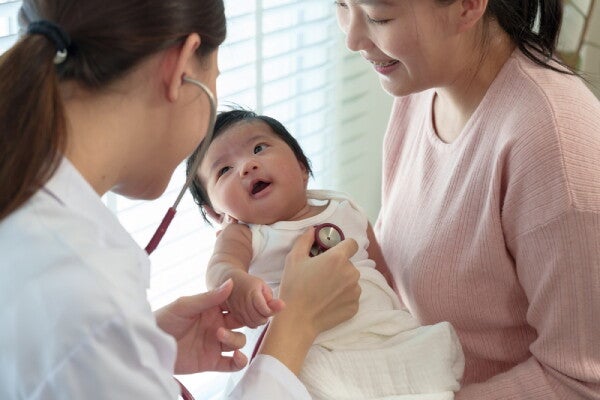
According to PIDSOG, babies under 6 months are two to eight times more likely to be hospitalized for RSV infection than for the flu.
The Philippine Infectious Disease Society for Obstetrics and Gynecology (PIDSOG) states that the RSV vaccine for pregnant women helps transfer antibodies to babies before birth, thereby protecting them from severe RSV disease, especially during their first six months of life.
In its latest position statement, PIDSOG says RSV is the leading cause of hospitalization among infants with cities like Baguio seeing the highest incidence of RSV in children aged 6 to 23 months.
When to get it: PIDSOG recommends the RSV vaccine from 28 weeks of pregnancy onward. Ideally, vaccination should occur more than two weeks before delivery for the transfer of antibodies to work. However, Dr. Mallari notes this vaccine is not always available, so talk to your ob-gyn about RSV vaccine early.
PIDSOG notes that the RSV vaccine can be given alongside Tdap, flu, or hepatitis B vaccines, as long as they're administered on different parts of the body and spaced at least two weeks apart.
4. Hepatitis B vaccine
Hepatitis B is a viral infection that affects the liver. Pregnant women can pass the virus to their babies during delivery because of the blood exchange that happens during childbirth. These babies can end up with a chronic infection, which means they have a higher chance of facing serious liver issues as they grow older.
WHO advises pregnant women to get tested for hepatitis B e-antigen (HBeAg). If positive, your doctor will plan based on your immune status. According to the Hepatitis B Foundation, many people with hepatitis B may remain unaware of their infection for decades because it often does not present with symptoms.
When to get the hepatitis B vaccine: If you haven't gotten the hepatitis B vaccine before pregnancy and you're at risk, talk to your ob-gyn.
Dr. Mallari says getting the hepatitis B vaccine during pregnancy is safe although it's not a priority and can be delayed postpartum. "It is usually recommended for pregnant women who are high risk of having hepatitis B, and those with chronic kidney and liver disease."
Remember, though, that even if you received the hepatitis B vaccine while you were pregnant, your little one still needs to get the hepatitis B vaccine after birth. The protective antibodies don't pass from mom to baby, so your baby must get vaccinated. Here's your baby's immunization schedule from birth to teen years.
FAQs About Vaccines for Pregnant Women
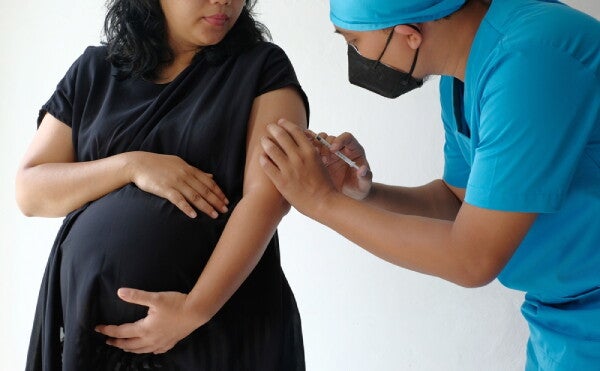
An ob-gyn will want to know immunization history before prescribing vaccines for pregnant women.
Below, Dr. Mallari helps clear up a few more common worries about vaccines during pregnancy.
Can a pregnant woman still get the flu or Tdap vaccine if she missed them or is unsure of her vaccine history?
Dr. Mallari says you can still get vaccinated, especially if the benefit of receiving the vaccine outweighs the risk. "As long as the vaccines being given are inactivated and within the right schedule, they are safe and beneficial for both the mother and the baby."
What are the possible side effects of vaccines given during pregnancy?
According to Dr. Mallari, common vaccine side effects include localized pain, swelling or redness at the injection site. Some may also experience headaches and nausea.
Dr. Mallari recommends a cold compress if you feel some muscle pain. You can also take paracetamol if you experience fever and chills, which is a normal response of the body.
"However, if you experience adverse reactions such as difficulty breathing, itchiness and appearance of rashes, consult a doctor immediately."
When should the MMR vaccine be taken?
Vaccination during pregnancy typically involves inactivated vaccines such as the four mentioned above. These use a killed version of the germ that causes the disease and are safe to be administered during pregnancy.
The MMR (measles, mumps, and rubella) vaccine or MMRV (mumps, measles, rubella, varicella) are live vaccines and are not given during pregnancy.
Dr. Mallari says, "If a non-pregnant woman received a live vaccine, like those mentioned, they are advised to have at least four-week interval prior to getting pregnant. Receiving these vaccines prior to getting pregnant are beneficial in preventing abnormalities to the fetus during pregnancy (e.g. Congenital Rubella Syndrome)."
If you have not been vaccinated or are unsure if you have received the MMR or MMRV vaccine as a child, consult your doctor if you're planning to become pregnant.
Clearing Up Misconceptions
Many misconceptions exist about vaccines, so Dr. Mallari encourages women who are planning to get pregnant or are already expecting to ask their doctors all their questions regarding vaccination.
One common misunderstanding is the idea that vaccines can harm the baby. According to Dr. Mallari, this usually comes from not knowing what's actually inside a vaccine or how each one is scheduled during pregnancy.
For parents who worry about ingredients or testing, Dr. Mallari says vaccines for pregnant women use inactivated germs, so these shots can't cause the disease.
"All vaccines before being available for use undergo a series of research, tests and clinical trials before being approved and deemed safe for public consumption."
Getting the right vaccines for pregnant women is one of the most effective ways to protect both you and your baby. Before getting vaccinated, consult your doctor about your immunization history and give your baby a healthy start before birth!
Join the Parenteam Moms and Dads Facebook group to see how fellow parents are finding their way through the pregnancy and parenting journey!
References
ACOG. “Are You Current on Your Vaccines? These Are the Ones You Should Get as an Adult.” Accessed November 20, 2025. https://www.acog.org/womens-health/experts-and-stories/the-latest/are-you-current-on-your-vaccines-these-are-the-ones-you-should-have-as-an-adult
Epidemiology and Prevention of Vaccine-Preventable Diseases. “Chapter 1: Principles of Vaccination,” March 22, 2024. Accessed November 20, 2025. https://www.cdc.gov/pinkbook/hcp/table-of-contents/chapter-1-principles-of-vaccination.html
Pregnancy and Vaccination. “Guidelines for Vaccinating Pregnant Women,” August 22, 2025. Accessed November 20, 2025. https://www.cdc.gov/vaccines-pregnancy/hcp/vaccination-guidelines/index.html
“Measles - Society for Maternal-Fetal Medicine.” Accessed November 20, 2025. https://www.smfm.org/measles.
Pregnancy and Vaccination. “Vaccine Safety for Moms-To-Be,” January 30, 2025. Accessed November 20, 2025. https://www.cdc.gov/vaccines-pregnancy/moms-to-be/index.html
Prevention of mother-to-child transmission of hepatitis B virus: guidelines
on antiviral prophylaxis in pregnancy. Geneva: World Health Organization; 2020. Licence: CC BY-NC-SA 3.0 IGO. https://iris.who.int/server/api/core/bitstreams/0f59e1b2-aaa8-4956-ac98-fae343a6eac5/content
UNICEF. “Vaccines During Pregnancy: Which Vaccinations Are Recommended – and Why,” September 12, 2025. Accessed November 20, 2025. https://www.unicef.org/eca/stories/vaccines-during-pregnancy-which-vaccinations-are-recommended-and-why
Related articles

28 Weeks Pregnant: Baby Development, Symptoms, and Tips for Mommies
Your guide to being 28 weeks pregnant is here! Learn about key baby development milestones, how to manage new symptoms, and what you can do to stay comfortable.
6 mins to read

The Stages of Pregnancy: What to Expect for You and Baby
Get to know the stages of pregnancy! Learn about each trimester, track your baby's growth, and embrace your body’s changes.
5 mins to read

How to Track Ovulation Symptoms If You Have Irregular Periods
Tracking ovulation symptoms is key when your cycle changes. Learn how to read your body’s signs and spot your fertile window even with irregular periods.
10 mins to read

Ginger Tea in Pregnancy: Is It Safe for Morning Sickness?
Ginger tea in pregnancy can help ease morning sickness, but safe doesn’t mean unlimited. Here’s what your ob-gyn wants you to know about salabat and dosage.
7 mins to read

Does Milk Help You Sleep? How a Glass Before Bedtime Helps Kids Unwind
Does milk help you sleep? A pediatric nutrition specialist breaks down what’s true, what’s myth, and how bedtime milk fits your child’s routine.
6 mins to read

A Doctor Explains Baby Poop Color: What’s Typical and What’s Not
Baby poop color can change often, from mustard yellow to green to brown. Get a pediatrician’s take on every shade, and know exactly when to call your doctor.
10 mins to read

A Doctor Explains Cramps During Pregnancy and Other Discomforts
Experiencing cramps during pregnancy? A doctor explains what causes it, how to ease it, and when it’s worth a call to your OB to help bring you peace of mind.
7 mins to read

How a Pregnancy App Can Help You Track Your Baby’s Development
A pregnancy app can help you see how your baby grows each week. It’s a simple way to feel confident and ready for every new change.
7 mins to read

Your Complete Guide to the Types of Milk in the Grocery Aisle
Confused by the types of milk lining the grocery shelf? Here’s a clear way to compare full cream, fresh, fortified, and plant-based options for your family.
7 mins to read

Best Milk for Pregnant Women: What Nutrients to Look For
Not all milk for pregnant women is the same. Know the six nutrients that actually matter—and what to look for in nutrition labels for the best buy.
9 mins to read

A Derma’s Guide to Pregnancy Skin Care: What’s Safe and What to Avoid
Building a safe pregnancy skin care routine starts with checking the label. Discover the best ingredients for your skin and the chemicals you need to avoid right now.
8 mins to read

Early Pregnancy Pain Areas: A Dad’s Guide to Comforting His Partner
Learn how to help your partner manage early pregnancy pain areas. Small comforts like checking in, prepping light meals, and doing her chores make a huge difference.
6 mins to read

How to Deal with Pregnancy Hormones and Mood Swings
Pregnancy hormones can intensify your emotions. Learn simple ways you and your partner can handle those mood swings and get the support you need.
8 mins to read

Doctor-Approved Ways to Ease Acid Reflux in Pregnancy
Dealing with acid reflux in pregnancy is uncomfortable. Discover simple food tweaks, better sleep habits, and other doctor-approved tips to ease that sour burn today.
5 mins to read

A Doctor Explains Pregnancy Spotting Colors and Flow
Understanding your pregnancy spotting color and flow can help you spot warning signs early. Discover what to expect and when to call your doctor.
6 mins to read

Updated! 5 PhilHealth Benefits for You and Baby
Your PhilHealth benefits cover more than just delivery day. Here's everything you can claim under the 2026 expanded maternity benefits.
8 mins to read

5 Ways to Manage a Pregnancy Rash in the Hot Months
Treat a pregnancy rash by adjusting your daily hygiene habits. Discover how cool midday baths, gentle soaps, and loose clothing can soothe your skin now.
6 mins to read

1 Month Pregnant? A Guide to Symptoms, Baby Development, and Nutrition
Understand exactly what happens when you're 1 month pregnant! Explore common symptoms, how your baby starts growing, and vital nutrition tips for this crucial stage.
6 mins to read

Pregnancy Discharge? Your Guide to Staying Fresh and Comfortable
An increase in pregnancy discharge means your body is protecting your baby, but the extra moisture may feel uncomfortable. Learn how to stay fresh with simple habits.
5 mins to read


