


Back-to-School Prep: 8 Ways to Help Your Child Get Ready for Classes
Back-to-school season after a long, (mostly) productive summer always feels like a reset button for both parents and kids. But it’s not just about braving the lines at the bookstore or deciding between a backpack or satchel.
Beyond the supplies and logistics, the bigger goal is helping your child walk into the classroom feeling ready, calm, and confident. That’s where these tips can help. From routines and school supplies to hygiene and emotional prep, these strategies can make preparing for school less stressful for you and your child.
1. Reset Sleep Routines
After the looser structure of summer, routines help give kids a sense of predictability. When mornings and bedtimes follow a similar flow, children don’t have to guess what’s next. This makes it easier to stay calm and ready for the school day. A foundational study published in the journal SLEEP confirms that a consistent nightly routine significantly improves a child's mood and reduces disruptive behaviors.
Still, anyone who gets a wakeup call at 6 AM after weeks of late nights won’t be a happy camper. Instead of shocking your child's systems, ease them in. Experts suggest moving bedtime earlier by 15 to 30 minutes every few days, weekends included.
To make it easier for the kiddos, you can try dimming the lights after dinner or reduce screentime significantly. Building a short routine could also work: dinner, shower, 30-minute reading time, then lights off for bed. Whatever you decide, remember that consistency is key. The goal is to help your kids stay well-rested so they can properly focus and adjust faster to school demands.
2. Build a Budget-Friendly Back to School Kit
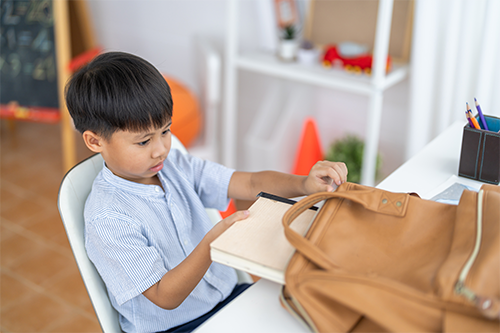
Preparing for school? Having a handy checklist might ease your stress.
Alam na this, mga mhie: when it comes to school supplies, it’s your chance to be a bit more frugal. After paying those tuition fees, scrimping where you can is necessary. Here’s what helps:
Use last year’s supplies.
Instead of splurging on brand new stationery, scour your house for school supplies. Chances are, items like pencil cases, rulers, and bags are still reusable. And if you look thoroughly enough, there are sure to be unused pencils and pens that are still good to use—don’t forget to check ate or kuya’s bags!
Choose budget-friendly alternatives.
Skip branded school supplies and opt for generic brands. Or better yet, buy in bundles or wholesale when possible. When you can, go the DIY-route: make your own labels, or use paper bags or old fabric to create custom covers for notebooks or textbooks. The best part? It’s an easy way to keep the kids busy and pumped about the upcoming school year.
3. Prep What You Can Before the First Day
Mornings are tougher when you’re scrambling, especially the first week back. Here’s what you’ll need to do so that things run smoothly:
- If using old uniforms, check if they still fit
- Wash and prep at least 5 complete sets of uniforms (including socks and undergarments)
- Make sure shoes are comfortable and still in good condition
- Organize essentials like socks, IDs, and hair accessories/products in one place
- Make sure bags are ready with school supplies and requirements
- Decide on an easy system your child can follow independently
This way, before returning to school, you’ve already set aside and organized all the items your child needs. When classes begin, mornings will feel less rushed because everything has a place—meaning less stress for everyone, especially Mom!
4. Plan a Simple Baon Menu
Planning baon can add stress during back-to-school season. It’s not just about what to pack, but also making sure it’s healthy, delicious, and something that your child will eat. Keeping things simple and consistent will be easier to manage, especially during busy mornings:
Create a rotation of 3 to 5 meals.
Choose a few balanced options you can repeat weekly. The goal is to include a mix of carbs for energy, protein for fullness, and fruits or vegetables for added nutrients without overcomplicating your routine. To round out their nutrition, you can pair their meal with a glass of NIDO 3+ to ensure they get age-appropriate nutrients and respiratory protections while they’re away from home.
Use leftovers.
Last night’s dinner could buy you a few extra minutes of sleep. Portion leftovers into small containers so they’re ready to pack as baon for the week.
5. Reinforce Basic Hygiene Habits
Back-to-school season also means more exposure to shared spaces, which makes hygiene even more important. Kids may already know these habits, but they often need reminders after a long break. Reinforcing them early helps make them automatic again. Here's what to review:
- Proper handwashing before eating and using the bathroom
- Covering coughs and sneezes
- Avoiding sharing food, water bottles, and utensils
Don’t forget to pack a basic hygiene kit that includes a small hand sanitizer or alcohol, tissues or wipes, and extra face masks.
6. Ease Back Into a Learning Mindset

Take the time to read to your child before school starts. This helps ease them into the habit of sitting down and focusing.
After weeks of watching TV, playing with friends and unli-screentime, it’s common for kids to feel a bit rusty about schoolwork. And for some kids, it could feel overwhelming. The solution? Turning everyday moments into learning opportunities. When going on walks, ask kiddos to calculate the distance and time or name different insect species. Reading books together for a few minutes each day could also help ease them back into learning mode.
7. Prepare Your Child Emotionally
Going back to school can stir up all kinds of emotions, and kids aren’t always able to express what they’re feeling. What looks like resistance can sometimes be nervousness about new teachers, classmates, or routines. Taking time to talk things through helps them feel more secure and understood.
Discuss what to expect in the first few days, and create space for your child to share both excitement and worries. Even regular check-ins can help children feel understood and secure. Research on school transitions show that when parents offer consistent encouragement and reassurance, children tend to adjust more easily.
8. Plan School Logistics Ahead
The first day of school can feel chaotic when you’re unsure about timing, routes, or procedures. Even small uncertainties can create unnecessary stress for everyone. Planning ahead removes those unknowns and makes the day feel more predictable. Doing a practice run of the route can help you estimate travel time during school hours, especially if you’re worried about traffic. Taking the school bus? Call ahead to understand routes so you know what time to start waiting.
Make Like a Boy Scout and Be Prepared!
Back-to-school preparation doesn’t have to mean doing everything flawlessly or having every detail figured out. It’s more about creating a system that works for your family and helps your child feel supported. Small steps done ahead of time can make a big difference once school begins.
If your child feels rested, has what they need, and walks into school with a little more confidence, that’s already enough. The goal isn’t perfection—it’s a smoother, calmer transition for everyone.
Need more back-to-school prep tips? See what other parents have to say in the ParenTeam Moms and Dads Facebook group
References
indell, J. A., Telofski, L. S., Wiegand, B., & Kurtz, E. S. (2009). A nightly bedtime routine: Impact on sleep in young children and maternal mood. Sleep, 32(5), 599–606. https://pmc.ncbi.nlm.nih.gov/articles/PMC2675894/
Ohienmhen, B. (2025, July 31). Back-to-school sleep tips to help kids start the year strong. Northside Hospital. https://www.northside.com/about/news-center/article-details/back-to-school-sleep-tips-to-help-kids-start-the-year-strong
Zhoc, K. C. H., King, R. B., & Choi, K. T. K. (2025). The importance of social and emotional learning in facilitating positive transitions from kindergarten to primary school. Oxford Review of Education. https://radar.brookes.ac.uk/radar/file/613d95c6-7338-4507-85ad-fd1e131976eb/1/zhoc-et-al-2025-the-importance-of-social-and-emotional-learning-in-facilitating-positive-transitions-from-kindergarten.pdf
Related articles

10 Signs na Hiyang Ang Anak Sa Kinakain Niya
Makikita mo sa kilos, sa energy, at kahit sa pagtulog ng anak mo na hiyang ang anak mo sa kinakain nya!
7 mins to read

How Much Parental Pressure is Healthy for a Kindergartener?
Starting kindergarten is a big step for both kids and parents. Here’s how to strike a healthy balance between encouragement and setting expectations.
5 mins to read

7 Ways Family Love Boosts Your Child's Success
Family love gives your child confidence, resilience, and emotional safety. Learn how a nurturing home shapes success from early childhood onward.
5 mins to read

Why Letting Kids Play Is Essential in Parenting
Wondering what sort of activities you should plan for your children? Let your kids play instead!
9 mins to read

12 Filipino Children’s Books That Help You Teach the Big Lessons
Discuss kindness, courage, and family changes with Filipino children's books for every age. These stories give you the right words for life's important conversations.
6 mins to read

Kaya Ko ‘To, Mommy: Para sa Independent na Pagpapalaki
Mommy, napakalaki ng role mo sa pagpapalaki kay baby para siya ay maging independent. At kaya mo siyang i-train para maging independent kahit bata pa.
3 mins to read

How to Feed a Picky Eater: A Nutritionist’s Guide for Preschoolers
Raising a picky eater doesn’t mean giving up on healthy meals. Get practical, nutritionist-backed ideas to make mealtimes easier and more satisfying.
12 mins to read

10 Bible Stories for Kids That Teach Values They Can Live By
Teaching big values to preschoolers isn’t easy. These Bible stories for kids bring concepts like patience and kindness in a way little minds can get.
13 mins to read

Sterilized Milk Benefits for Growing Kids: What Parents Should Know
Sterilized milk benefits your whole household, from safety to shelf life. Here’s what it offers your family and your growing kids.
5 mins to read

7 ₱500 Budget Ulam Ideas to Feed Your Family
Use these budget ulam ideas to cook hearty yet wallet-friendly meals for your family.
6 mins to read

Does Your Preschooler Need Fresh Milk or Growing-Up Milk?
Fresh milk gives your preschooler a strong start—but does it cover everything they need? Here’s how to know if growing-up milk can help your child.
7 mins to read

6 Budget-Friendly Milk Products for Your Preschooler’s Baon
Milk products don’t have to strain your budget. Here are six affordable picks that fit your preschooler’s baon and their growing needs.
7 mins to read

6 Benefits of Protein in Milk for Preschoolers
Protein in milk gives your preschooler the fuel to play hard, grow strong, and fight germs—here’s exactly how it works and how much they need.
7 mins to read

Powdered Milk or Fortified Milk: What’s the Difference for Your Preschooler?
Powdered milk and fortified milk might seem similar, but they serve different purposes. Learn how they differ and which one your preschooler might need.
6 mins to read

Your 6 Ways to a Good Night’s Sleep
Have some problems with sleeping? Try these 6 tips for well-rested sleep.
3 mins to read

How to Build Your Child’s Attention Span
Nurture your child’s ability to concentrate from an early age—and give him the mental discipline to succeed in school and life
6 mins to read

Eat Healthy for a Good Immune System
Food is very important for a healthy immune system to fight all types of infections. What are the nutrients needed to keep us nourished?
3 mins to read

Why You Shouldn’t Force Picky Eaters – And What Works Better
Does your child refuse to a large variety of food? Learn the real issue behind picky eating, and how to get your child to warm up to healthier and more nutritious options.
4 mins to read

Why Play is Essential For Your Kid in Stressful Times
Check out this research-backed listicle of ways that play can ease tension and promote a more positive outlook for kids, particularly as the “post new normal” has upended their more carefree way of
6 mins to read


