


You want your child to grow confident, resilient, and ready for the future. And while good grades matter, one of the strongest factors to long-term success isn’t high IQ—it’s the love and support they feel at home. Family love shapes their emotional security, motivation, and ability to thrive in life.
Here are the many ways your care, attention, and presence can help your child succeed.
1. Family Love Wires Your Child's Brain for Learning
According to a 2023 UNICEF report, evidence from neuroscience confirms that your child is most likely to reach their full potential when they’re stimulated, protected, and given responsive care (your loving, warm, consistent attention).
Family love creates a safe, engaging world where this development happens. When you interact with them, you’re also delivering the stimulation their brain needs to grow.
Parenting tip: Prioritize daily interactions, such as eye contact, bedtime stories, and patient answers. These help develop their ability to learn and think. (Explore more parenting tips for practical ways to strengthen your family connection.)
2. It Fuels Their Motivation to Excel in School
A 2022 study in the Journal of Education Review Provision found that parental involvement can help pave the path for student success. When you actively engage by helping with homework or maintaining open communication with teachers, it helps your child get better grades, higher test scores, and even improves school attendance.
Parenting tip: Focus on partnership, not pressure. This means joining in and turning learning into play—reading stories with funny voices or making a math game with toys. Regardless of your parenting style, habits like reading together or asking about their day build their confidence.
3. It Builds Resilience Against Life’s Challenges
Life is full of ups and downs, but your love acts as a powerful buffer. The American Academy of Pediatrics (AAP) highlights that safe, nurturing relationships are a physical necessity for development, just as vital as nutrition.
This bond can reduce your child’s stress levels and help them cope more effectively. Your steady presence acts as a safety net, giving them the confidence to bounce back from failure and try again.
Parenting tip: Be their anchor. When they’re stressed or upset, focus on comforting them before correcting them—an important approach when practicing gentle parenting through tantrums. This teaches them that your support is constant, even when things go wrong.
4. It Teaches Critical Social Skills
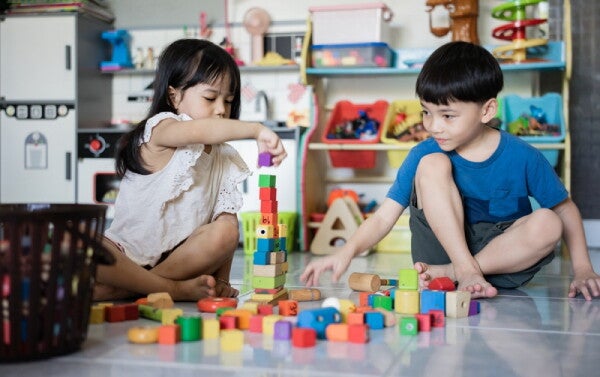
The security of family love gives your child the confidence to share, cooperate, and make friends easily.
Your home is your child’s first classroom for relationships. According to the AAP, safe, nurturing bonds (relational health) are the key to their mental and emotional development.
When your child feels secure with you, they naturally learn to trust others, make friends, and manage their feelings. Your connection lays the groundwork for their social skills.
Parenting tip: Use bonding activities—like cooking or storytelling—to practice taking turns. Also, observe their preference for words of affirmation, quality time, or physical affection. Tailoring your affection to their love language can teach them empathy and how to express kindness in different ways.
5. It Fosters Healthy Habits and Routines
Love isn't just about hugs; it is also about structure. Establishing family routines is a powerful way to show you care because it makes your child feel safe.
According to the Centers for Disease Control and Prevention (CDC), consistent routines provide the predictability children need to feel secure and confident. When your child knows what to expect, such as a regular bedtime or a no-gadget dinner, they feel less stressed and more in control of their emotions.
Parenting tip: These habits don’t need to be rigid. Even simple rituals, like a morning hug or a weekend reading hour, provide the stability your child needs to develop self-discipline.
6. It Strengthens Self-Esteem
Unconditional love sends a powerful message: "You’re valuable just because you exist, not because you got an A." When your child knows their worth isn't tied to their grades, they're less afraid of failure. Your belief in them becomes the foundation for how they see themselves.
Instead of being paralyzed by mistakes, they gain the confidence to:
- Speak up when they need help.
- Take on leadership roles in class.
- Make healthy social decisions.
Parenting tip: Praise the effort ("I’m proud of how hard you studied"), not just the result. Join their world, whether it’s watching their favorite movie or listening to them talk about Minecraft. This reinforces that you enjoy their company, not just their achievements.
7. It Strengthens Mental and Emotional Health
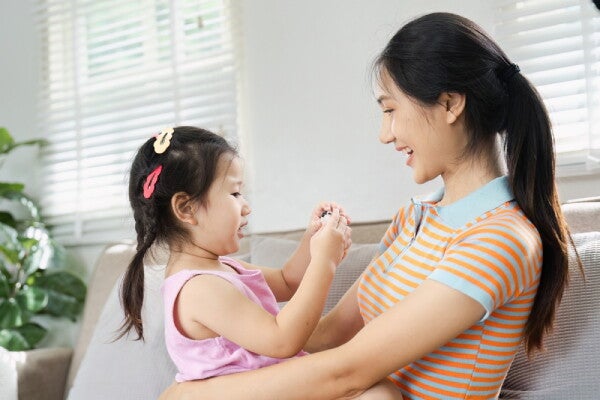
Your warmth creates the emotional safety they need to regulate feelings and cope with complex emotions.
Your parental warmth (or emotional support, affection, and care) creates the emotional safety your child needs to thrive. A 2024 review on early attachment found that consistent, responsive care is the foundation for emotional stability. It highlights that securely attached children are better at regulating their feelings and are at lower risk for anxiety and depression later in life.
A child who feels understood is better equipped to focus in class, resolve conflicts, and navigate the social complexities of school.
Parenting tip: The AAP advises encouraging communication through active listening. Instead of dismissing their worries, validate them ("I see that you are upset"). This teaches them how to name and control their emotions.
Your Love is Their Launchpad
You don't need grand gestures to make an impact. Small, consistent actions build the strongest family connection. When you show family love through warmth, routines, and daily attention, you strengthen your child's confidence, resilience, and emotional health—all essential ingredients for lifelong success.
Hop over to the ParentTeam Moms and Dads Facebook group and share your favorite ways to practice family love at home!
References
American Academy of Pediatrics. "Developmental Milestones: 3 to 4 Year Olds." HealthyChildren.org. Last modified April 4, 2023. Accessed November 19, 2025. https://www.healthychildren.org/English/ages-stages/preschool/Pages/Developmental-Milestones-3-to-4-Year-Olds.aspx
Centers for Disease Control and Prevention. "Tips for Creating Structure and Rules." Last modified August 8, 2024. Accessed November 19, 2025. https://www.cdc.gov/parenting-toddlers/structure-rules/index.html
Flais, Shelly Vaziri. "The Importance of Family Routines." American Academy of Pediatrics. Last modified June 28, 2024. Accessed November 19, 2025. https://www.healthychildren.org/English/family-life/family-dynamics/Pages/The-Importance-of-Family-Routines.aspx
Garner, Andrew, Michael Yogman, Committee on Psychosocial Aspects of Child and Family Health, Section on Developmental and Behavioral Pediatrics, and Council on Early Childhood. "Preventing Childhood Toxic Stress: Partnering With Families and Communities to Promote Relational Health." Pediatrics 148, no. 2 (August 2021): e2021052582. Accessed November 19, 2025. https://doi.org/10.1542/peds.2021-052582
Mayberry, Joyce. "4 Surprising Benefits of Parental Love That Set Children Up for a Flourishing Life." Georgia Center for Opportunity. Accessed November 19, 2025. https://foropportunity.org/parental-love-and-child-social-mobility/
raisingchildren.net.au. "Strong Families: What They Are, How They Work." Accessed November 19, 2025. https://raisingchildren.net.au/grown-ups/family-life/routines-rituals-relationships/strong-families
Related articles

Does Your Child Learn Better with Pictures? 4 Visual Learning Tips to Try
Visual learning turns flashcards, drawings, and picture charts into real study tools. Here’s how to spot it and try it with your child.
7 mins to read

10 Signs na Hiyang Ang Anak Sa Kinakain Niya
Makikita mo sa kilos, sa energy, at kahit sa pagtulog ng anak mo na hiyang ang anak mo sa kinakain nya!
7 mins to read

Back-to-School Prep: 8 Ways to Help Your Child Get Ready for Classes
Back-to-school blues, begone! These practical tips take the stress out of planning to help your child feel confident, prepared, and ready for the new school year.
6 mins to read

How Much Parental Pressure is Healthy for a Kindergartener?
Starting kindergarten is a big step for both kids and parents. Here’s how to strike a healthy balance between encouragement and setting expectations.
5 mins to read

Why Letting Kids Play Is Essential in Parenting
Wondering what sort of activities you should plan for your children? Let your kids play instead!
9 mins to read

12 Filipino Children’s Books That Help You Teach the Big Lessons
Discuss kindness, courage, and family changes with Filipino children's books for every age. These stories give you the right words for life's important conversations.
6 mins to read

Kaya Ko ‘To, Mommy: Para sa Independent na Pagpapalaki
Mommy, napakalaki ng role mo sa pagpapalaki kay baby para siya ay maging independent. At kaya mo siyang i-train para maging independent kahit bata pa.
3 mins to read

Is It Shyness or Social Anxiety? Signs Your Child May Need Extra Support
Social anxiety in kids isn’t just being quiet. Learn the signs a psychologist watches for, from school refusal to withdrawal, and how to help your child cope.
8 mins to read

How to Feed a Picky Eater: A Nutritionist’s Guide for Preschoolers
Raising a picky eater doesn’t mean giving up on healthy meals. Get practical, nutritionist-backed ideas to make mealtimes easier and more satisfying.
12 mins to read

10 Bible Stories for Kids That Teach Values They Can Live By
Teaching big values to preschoolers isn’t easy. These Bible stories for kids bring concepts like patience and kindness in a way little minds can get.
13 mins to read

Sterilized Milk Benefits for Growing Kids: What Parents Should Know
Sterilized milk benefits your whole household, from safety to shelf life. Here’s what it offers your family and your growing kids.
5 mins to read

7 ₱500 Budget Ulam Ideas to Feed Your Family
Use these budget ulam ideas to cook hearty yet wallet-friendly meals for your family.
6 mins to read

Does Your Preschooler Need Fresh Milk or Growing-Up Milk?
Fresh milk gives your preschooler a strong start—but does it cover everything they need? Here’s how to know if growing-up milk can help your child.
7 mins to read

6 Budget-Friendly Milk Products for Your Preschooler’s Baon
Milk products don’t have to strain your budget. Here are six affordable picks that fit your preschooler’s baon and their growing needs.
7 mins to read

6 Benefits of Protein in Milk for Preschoolers
Protein in milk gives your preschooler the fuel to play hard, grow strong, and fight germs—here’s exactly how it works and how much they need.
7 mins to read

Powdered Milk or Fortified Milk: What’s the Difference for Your Preschooler?
Powdered milk and fortified milk might seem similar, but they serve different purposes. Learn how they differ and which one your preschooler might need.
6 mins to read

Your 6 Ways to a Good Night’s Sleep
Have some problems with sleeping? Try these 6 tips for well-rested sleep.
3 mins to read

How to Build Your Child’s Attention Span
Nurture your child’s ability to concentrate from an early age—and give him the mental discipline to succeed in school and life
6 mins to read

Eat Healthy for a Good Immune System
Food is very important for a healthy immune system to fight all types of infections. What are the nutrients needed to keep us nourished?
3 mins to read


