


Maybe you noticed that your little one often tries to rub their red, dry, itchy skin against you or the bedsheets. Or you see your growing baby trying to scratch at dry, rough, and red patches. You might feel overwhelmed trying to figure out what’s causing it, especially when nothing seems to stop the itch. If this sounds familiar, you could be dealing with baby eczema. Here’s how you can spot eczema and manage it at home.
What is Baby Eczema?
According to Dr. Riza Milante-Taruc, a board-certified dermatologist of Daily Skin Clinic, eczema is an inflammation of the skin. “There are specific diagnoses under this group. There's nummular dermatitis, seborrheic dermatitis, atopic dermatitis, and dyshidrotic dermatitis.”
So, why does your baby have it? While the exact cause is unknown, the National Eczema Association shares that it’s usually a combination of genetics and environmental triggers. As Dr. Milante points out, some kids naturally have drier skin, “especially those with a family history of atopy—asthma, skin asthma, allergic rhinitis.”
Is It Just Dry Skin or Eczema?
Since typical dry skin and eczema can look very similar at first glance, you might wonder if every new dry patch is a major problem. The key difference lies in how the rashes behave over time. “If they have eczema, they have rashes [that] occur in specific body parts, and it's been pabalik-balik,” explains Dr. Milante.
Baby eczema is chronic and relapsing. It may improve with treatment, then return weeks later, leaving your baby extremely bothered by the itch. To tell the difference, look for these signs:
1. Check the location of the red patches.
Typical dry skin can appear almost anywhere, while eczema targets predictable areas depending on your baby's age. The National Eczema Association notes that for the first six months, you'll usually spot it on your baby’s face, cheeks, chin, forehead, and scalp. It rarely shows up in the diaper area because the trapped moisture actually protects the skin.
From six to 12 months, the rashes appear on the front of the elbows and the back of the knees—areas that rub as your baby crawls.
2. Look for signs of extreme itchiness.
If your baby constantly rubs or scratches their skin, it’s likely eczema. Dry skin usually doesn’t cause this level of discomfort that it can disrupt their sleep.
3. Notice the texture of your baby's skin.
Gently feel the affected areas. While skin may feel rough, the National Eczema Association adds that, for younger infants, the skin might also look exceptionally red and weepy. Because the exact texture really depends on the type of eczema your little one has, it's always best to consult with a pediatrician or pediatric dermatologist to get a proper diagnosis.
Spotting Common Triggers of Eczema
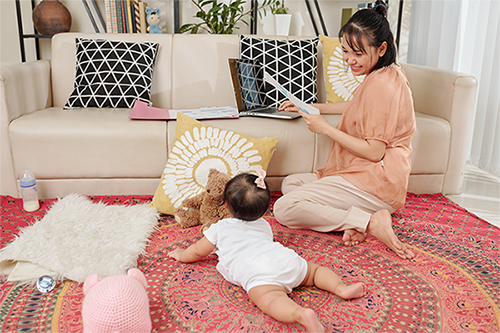
Search for baby eczema triggers in your home, like dusty stuffed toys, dirty sheets, and scented fabric conditioners.
Identifying what causes your baby’s sensitive skin to flare up is half the battle. Dr. Milante shares that you must check your baby’s environment, which includes everything they touch daily.
1. Inspect your bedsheets and stuffed toys.
Dust is a major culprit for sensitive skin. Look around the areas where your little one plays and sleeps. Dr. Milante reminds parents to check "the floors, the bed sheets, the pillows, stuffed toys, baka hindi nalilinisan." Keeping these everyday items clean and dust-free makes a huge difference.
2. Pay attention to what caregivers wear.
It's not just about the baby's clothes. Dr. Milante notes, "We check the caregivers, like the parents, the grandparents, and the yayas." She explains that caregivers might be using something that triggers the baby during a hug. "So, someone might be smoking, and that smoke is sticking to the person's clothes, or their perfume, yung mga ganon."
3. Skip the scented fabric conditioners.
The National Eczema Association explains that eczema breaks down your baby's skin barrier. This makes it much harder for their skin to hold in moisture and block out everyday irritants. Because their skin is already so vulnerable, strongly scented laundry soaps and fabric conditioners can easily cause a reaction.
Dr. Milante shares her own experience dealing with a family history of allergies, noting that they strictly avoid these products. "[There’s] no more fabcon (fabric conditioner) in our house because we have a baby," she advises. Opting for fragrance-free detergents keeps these harsh chemicals away from your baby's skin.
4. Watch out for trapped sweat and drool.
Babies are incredibly adorable with all their little skin folds. However, these tight folds can trap sweat or drool. When these areas don't get enough air—"parang…hindi nahahanginan," says Dr. Milante, then the trapped moisture from the sweat and drool can cause a rash.
How to Manage Your Baby’s Eczema
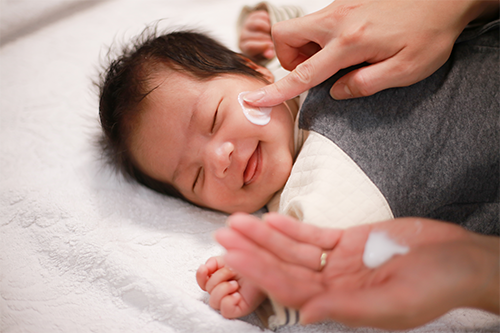
Soothe your baby's itchy eczema flare-ups by applying doctor-approved skin repair creams two to three times a day.
Once you know your baby’s triggers, you can manage flare-ups more effectively at home. If you're wondering what is the best treatment for eczema, consult your pediatrician or dermatologist to get a safe, doctor-approved plan.
From there, follow a simple daily routine to keep your baby’s skin calm and hydrated.
Give short, lukewarm baths.
Limit your baby’s bath to five to ten minutes. Hot water strips natural oils, so use lukewarm water to keep their skin calm and hydrated. Choose mild, fragrance-free cleansers.
Moisturize your baby's skin every day.
Keeping the skin hydrated is your best defense against eczema. Apply moisturizer immediately after bathing. Dr. Milante recommends daily moisturizing and using skin repair creams with ingredients like cica to help restore the skin barrier.
Apply creams two to three times a day.
During flare-ups, you need to step up your moisturizing game. Dr. Milante suggests that you take your chosen skin repair cream and "apply it twice or thrice a day for about three days." For many mild cases, this extra attention does the trick, she notes.
Choose breathable cotton clothing.
Dress your baby in loose, soft cotton. Avoid rough fabrics like wool or synthetic materials that trap heat and cause sweating.
Keep your baby's fingernails short.
Keep your baby’s fingernails short to reduce skin damage from scratching. Trim and file them regularly to prevent further irritation.
When Home Care Isn’t Enough
If you've followed your doctor's routine and your baby is still scratching, it's time to head back to the clinic. Dr. Milante shares a very clear rule of thumb: "If it doesn't go away, then go see a doctor. So if after three days, nandiyan pa rin, go see a doctor."
Your little one might just need a little extra help, and your doctor "can give you something stronger... maybe they can give you a topical medication for that." Once you know the signs and triggers of your baby’s eczema, you can manage flare-ups with a consistent routine and the right products at home.
You don't have to figure out every single rash and trigger all by yourself. Connect with other parents on the ParenTeam Moms and Dads Facebook group and learn more practical ways to manage your baby eczema journey together!
References
American Academy of Dermatology Association. "How to Treat Eczema in Babies." Accessed March 17, 2026. https://www.aad.org/public/diseases/eczema/childhood/treating/treat-babies.
American Academy of Pediatrics. "Treatment of Atopic Dermatitis." March 3, 2026. Accessed March 17, 2026. https://www.aap.org/en/patient-care/atopic-dermatitis/treatment-of-atopic-dermatitis/.
Mayo Clinic. "How to Treat Baby Eczema." January 29, 2025. Accessed March 17, 2026. https://www.mayoclinic.org/diseases-conditions/atopic-dermatitis-eczema/expert-answers/baby-eczema/faq-20450999.
Stein, Sarah. "Eczema in Babies and Children: Symptoms and Causes." American Academy of Pediatrics. May 19, 2025. Accessed March 17, 2026. https://www.healthychildren.org/English/health-issues/conditions/skin/Pages/Eczema.aspx.
Stein, Sarah, and Sheilagh Maguiness. "How to Treat & Control Eczema (Atopic Dermatitis) Rashes in Children." HealthyChildren.org. American Academy of Pediatrics. May 14, 2025. Accessed March 17, 2026. https://www.healthychildren.org/English/health-issues/conditions/skin/Pages/How-to-Treat-and-Control-Eczema-Rashes-in-Children.aspx.
Related articles

5 Signs You Need to Switch Your Baby’s Laundry Detergent
Does your little one have a rash that won’t go away? It could be caused by your baby laundry detergent. Here’s how to spot the signs and know what to do next.
4 mins to read

What Is Stunted Growth? A Pediatrician’s Guide for Parents
Worried people think your child is bansot or pandak, Mommy? Behind that teasing is a real concern: stunted growth. Here’s how pediatricians check for it.
4 mins to read

A Parent’s Guide to Caring for Cradle Cap in Babies
Cradle cap in babies is common, harmless, and easy to manage with the right daily routine. Here’s what actually works, according to a pediatrician.
6 mins to read

Newborn Baby Baths Made Simple
Master newborn baby bath time! Learn when and how often to bathe your baby, along with step-by-step techniques and safety advice for a happy baby!
5 mins to read

Babbling to Full Sentences! Your Language Development Checklist by Age
Learn the language development milestones your child needs to hit from baby to preschool stage.
7 mins to read

30 Must-Know Terms to Guide You Through the Early Childhood Stage
Welcome to your early childhood stage cheat sheet, so you feel more prepared and less frazzled for parenting!
11 mins to read

How to Give a Baby Massage With Confidence
Love getting a good massage? Your baby probably does, too! Learn the essential baby massage techniques to help with sleep, constipation, and more.
8 mins to read

Sinisinok si Baby? 5 Easy Ways to Soothe Newborn Hiccups
Newborn hiccups are a natural reflex as your baby’s nervous system matures. Learn how to keep your little one comfortable with these expert-backed soothing techniques.
5 mins to read

Why Health Experts Recommend "Unang Yakap" After Birth
Unang Yakap is more than just a picture-worthy moment! Discover the so-good benefits that first embrace has in store for your baby—and you!
6 mins to read

Sitting and Teething! Welcome to Your 6-Month-Old Baby's Milestones
Your 6-month-old baby is discovering the world! This guide covers key developments, sleep patterns, and growth charts to help you on this journey.
6 mins to read

Why Babies Cry: 11 Reasons to Know So You Can Worry Less
Wondering why baKnowing why babies cry helps you understand their needs. From hunger to discomfort, learn the common reasons for tears and find ways to soothe your little one.bies cry?
7 mins to read

A Parent's Guide to Better Baby Sleep
Wondering how to help your baby sleep through the night? Learn to create a bedtime routine and find solutions to common sleep issues for more restful nights.
8 mins to read

Child Development Stages: A Guide from Birth to 5 Years
Understanding child development stages helps you celebrate every milestone. Discover what to expect, from newborn reflexes to preschooler chatter.
6 mins to read

Can Your Child Do This? Key Motor Skills From 0 to 5 Years
Motor skills play a crucial role in your child's growth and learning. Here's a complete checklist to their motor milestones!
7 mins to read

Your Guide to Your Baby’s First Tooth: Signs and Soothing Tips
Wondering about your baby’s first tooth? This guide covers the typical timeline, common symptoms, and simple remedies for teething discomfort.
5 mins to read

Newborn Screening 101: What First-Time Parents Need to Know
Newborn screening is a crucial first step to protect your baby's health as soon as they're born.
7 mins to read

Baby Sleeping Position Basics: What's Safe, What's Not, and Why
Worried about the safest baby sleeping position? Learn why experts recommend placing babies on their backs and master tips for creating a safe sleep environment.
8 mins to read

From Milia to Baby Acne: A Guide to Your Newborn's Rash on the Face
Seeing your newborn’s rash on the face is common in the first weeks. Find out how to handle tiny bumps easily, and know exactly when to visit your pediatrician.
6 mins to read

How to Burp a Newborn for Nervous First-Time Parents
This step-by-step guide on how to burp a newborn can help ease your worries about the right positions, burp frequency, and more.
5 mins to read


