


How to Tidy Up Your Home to Help Reduce Parenting Stress
You’ve laughed at this scene in the movies: a man walks into a room, steps on a Lego block, and hops back in pain. Then, he slips on a toy car and crashes to the floor! It’s funny onscreen, but in real life? Nakakainis! Especially when you’re tired from a long day. It’s a painful reminder to tidy up.
Being in a messy, cluttered room can be stressful, especially during the morning rush, homework time, or bedtime—when mess and time pressure collide. Choosing to declutter and tidy up is a simple way to find calm while making your space safe and livable for your family.
Why a Messy Home Increases Parenting Stress
Your home is your sanctuary, but a messy house can feel like a never-ending to-do list. According to an American Psychological Association (APA) podcast featuring Dr. Joseph Ferrari, a leading researcher on clutter, excess belongings are a significant source of stress for many people.
Dr. Ferrari explains that clutter—unlike hoarding, which is a medical disorder—refers to having more possessions than your space can comfortably handle. When your environment feels chaotic, your brain stays on alert, making it harder to relax. Instead of resting, you stay in problem-solving mode—parang laging may inaasikaso.
Clutter can feel even more overwhelming in smaller homes or shared family spaces, where piles of stuff build quickly and affect everyone. His research shows that as clutter increases, overall life satisfaction tends to decrease.
Decluttering helps reduce stress because your surroundings stop demanding your attention. You’re not just clearing surfaces—you’re creating mental breathing room.
The Benefits of Tidying Up
The benefits of decluttering and tidying make parenting much easier. When you have fewer things to move, wash, and organize, you have more energy for your family.
1. Decluttering lowers stress and anxiety.
A cluttered home can keep you in a constant state of low-grade stress. A 2022 study published in The Journal of Consumer Affairs found that dealing with clutter can create feelings of overwhelm and a lack of control for some people.
While it may feel easier to ignore the mess, the study also found that decluttering leads to a noticeable sense of relief and improved well-being once the task is done. Tidying restores a sense of control over your space, which helps your body and mind relax.
2. Tidying up improves sleep quality.
A clear bedroom helps you relax so you can get better rest. A 2017 study in the journal Sleep suggests that tidying the bedroom can be a helpful way to improve sleep quality for some people. When you aren't looking at a pile of laundry next to your bed, your brain can truly shut down for the night.
3. An organized space promotes focus.
A tidy space also helps you focus on your work or your kids. A foundational study in the Journal of Neuroscience found that physical clutter competes for your attention, decreasing your performance and ability to focus.
Once you’ve decluttered and organized, you won't get distracted by the mess, helping you stay present and productive.
4. A clutter-free home reduces family tension.
Clutter often creates tension between spouses and family members. Dr. Joseph Ferrari notes that clutter doesn't just affect the owner; it impacts the entire household. Clearing shared spaces removes a common trigger for arguments and makes your space more functional.
Simple Ways to Declutter and Tidy Up

Make quick decisions and sort your items into categories: Keep, Donate, and Trash.
You don't have to do it all at once. Try these decluttering tips for the home to make the process feel easy and manageable for your busy schedule.
Start small to avoid burnout.
Don't try to clean the whole house in one day. The 2022 study on decluttering found that setting realistic, interim goals—like cleaning just one drawer or one shelf—is key to maintaining your momentum. Once that drawer is clean, you'll feel a natural motivation to move to the next spot.
Put stuff in boxes.
To avoid creating more mess while you clean, grab boxes or bags before you start. Label them: Keep, Donate, or Trash. As you pick up each item, drop it into the right box immediately. This simple system stops you from just moving piles from one spot to another and helps you clear the room faster.
Follow the hands-off rule.
When you’re unsure about something, try not to touch the item yourself. In the APA podcast, Dr. Ferrari suggests that simply touching an object increases your emotional attachment to it. Have a friend or spouse hold the item up for you instead. This small trick makes it easier to look at the item objectively and let it go.
This rule can be especially helpful when you feel guilty letting go of your child’s old toys, gifts from loved ones, or items you keep kasi sayang lang.
Try the toy rotation strategy.
Keep only a few toys out at a time and put the rest in a box for a few weeks. When you swap them out later, the old toys feel new again. This makes it much easier to tidy up the playroom every night because there are fewer things to pick up.
Do 10 minutes of tidying up.
If you’re short on time between chores or work, do this tidy-up checklist during a quick break or while the rice is cooking.
- The trash pickup: Walk through your house with a bag and find 10 things that are broken, expired, or just trash. Tossing these out gives you an easy win.
- The paper pile: Recycle old mail, flyers, and school papers you don't need anymore.
- The surface reset: Clear off the kitchen table so it’s ready for a peaceful meal. A clear table makes the whole kitchen look cleaner instantly.
How to Maintain Cleanliness
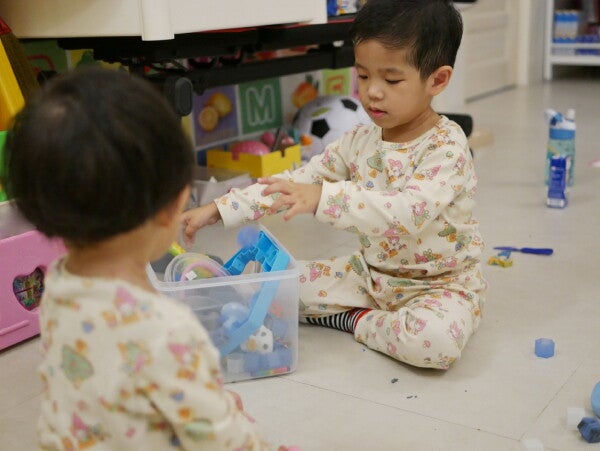
Asking your children to help tidy up builds their confidence and teaches them the value of maintaining a clean home.
Once your home is tidy, the goal is to keep it that way. Knowing how to maintain cleanliness every day prevents the mess from coming back.
1. Observe the one-in, one-out rule.
When you get something new, like a new shirt or a kitchen tool, give one old thing away. This keeps the total number of items in your home the same, so you don’t have to do a massive cleaning every single month.
2. Do daily pick-ups and ask for family help.
Spend just 5 minutes before bed putting toys and shoes away. Involve your kids in this routine so they learn to tidy up and organize, too. When everyone helps, the house stays clean and clutter-free instead of becoming chaotic again.
3. Focus on your why.
You may be more successful at tidying up if you focus on why you’re doing it, rather than the mess itself. Instead of thinking "I have to clean this mess," tell yourself, "I’m making space for my children to play safely, move freely, and settle down more easily at the end of the day." Connecting the chore to a personal goal makes the work feel lighter and the results more satisfying.
Tidy up your home today and feel the difference in your stress and anxiety levels. You’ll find that a clear space leads to a calmer mind—and a more livable space for you and your family.
Are you enjoying a clean, clutter-free home? Connect with other parents on the ParenTeam Moms and Dads Facebook group and share your best tips on how to tidy up!
References
Gordon, Sherri. "The Connection Between Cleanliness and Mental Health." Verywell Mind. Last modified October 17, 2025. Accessed February 10, 2026. https://www.verywellmind.com/how-mental-health-and-cleaning-are-connected-5097496
The Be Kind People Project. "How to Declutter Your Life." July 17, 2024. Accessed February 10, 2026. https://thebekindpeopleproject.org/blog/2024/07/17/how-to-declutter-your-life/
WebMD. "Mental Health Benefits of Decluttering." Medically reviewed February 25, 2024. Accessed February 10, 2026. https://www.webmd.com/mental-health/mental-health-benefits-of-decluttering


