


Every parent knows the feeling. School’s out, summer’s here, and your bulilit keeps whining about being bored. They want to go to the mall (which eats at your budget) or play with a gadget (leaving you feeling guilty about too much screen time). The fix? Fun activities for kids at home to burn off that endless preschooler energy.
From building an indoor obstacle course to hosting a DIY art class, try these easy playtime ideas to beat the boredom today. These activities work best for preschoolers, but you can easily adapt them for older kids.
Creative Hobbies and Learning: Boosting Your Child’s Skills
Creative activities at home help your child explore new interests and build fine motor skills. Try these easy projects to spark their imagination today.
1. Teach a home art class.
Set up art activities for kids to help them express themselves. You can quickly set up a creative corner right on your living room floor. According to the 2022 clinical report in Pediatrics, by 4 years, most preschoolers can hold a crayon or pencil between their thumb and fingers (not a fist), which builds the grip they need for future writing.
- Lay down old newspapers or a plastic mat to catch any spills.
- Bring out washable paints, crayons, and recycled cardboard boxes or scrap paper.
- Sit beside your child and paint shapes, flowers, or animals together.
2. Explore the world through virtual museum tours.
Take your child on free virtual tours to explore amazing places right from your sala. You can satisfy your preschooler's curiosity about dinosaurs or sea creatures by visiting local and world-famous spots online. By 4 years, kids can name a few colors of items while 5-year-olds can pay attention for five to 10 minutes during an activity.
- Load up the free virtual tour of the Philippine National Museum of Natural History to marvel at "Lolong," the famous giant crocodile.
- Head to the Smithsonian National Museum of Natural History virtual tour to look at massive dinosaur skeletons.
- Check out the free live animal cameras from the Monterey Bay Aquarium or San Diego Zoo to watch penguins and sea otters play.
- Ask your child to point out their favorite animals and talk about them.
3. Learn the basics of growing veggies.
Grow an indoor garden to teach your child about nature and patience; you don’t need to buy seeds to make this happen. You can easily regrow kitchen scraps like pechay, spring onions, or garlic right on your windowsill. Then, have them check the windowsill every morning to see if a tiny sprout has grown.
- Save the root ends of your vegetables after cooking lunch.
- Place the roots in a shallow dish filled with a little water.
- Have your child check the water level and watch for new leaves daily.
4. Set up a kitchen science or baking station.
Turn baking into an educational game to help your preschooler follow directions. By 3 years, most kids avoid touching hot objects, like a stove, when you warn them. And by 4 years, they like to be a helper.
Try it out with mug cakes for the family! You can make the sweet treat in the microwave in just one minute. Plus, there are plenty of chocolate mug cake recipes online to follow.
- Measure out your basic pantry staples, making sure to add cocoa powder for that rich chocolate flavor.
- Let your child safely stir the batter in a large mug right on the counter until it's smooth.
- Pop it in the microwave for about a minute. Let it cool completely before handling and supervise closely around hot surfaces.
Fun and Entertainment: Keeping the Energy High
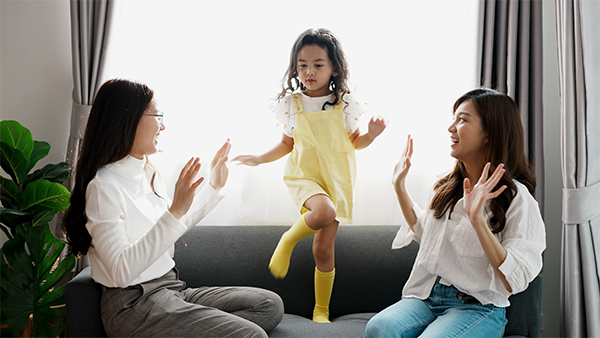
Burn off that bulilit energy indoors! Try a fun family dance challenge and record a funny video to share.
When the kids get restless, you need fun ways to bond that also burn off that extra energy. These games guarantee lots of giggles and movement.
1. Design a DIY treasure hunt.
Turn your house into an adventure zone with a treasure hunt. Preschoolers can typically answer simple questions like "What is a coat for?" or "What is a crayon for?" by 4 years old, which means their brains are primed to figure out the picture clues you draw for them. Watch them experience the thrill of finding a hidden prize.
- Hide a fun prize, like a sheet of colorful stickers or a favorite small toy, somewhere safe.
- Draw picture clues on small pieces of paper so they are easy for your preschooler to understand.
- Guide your child from one room to the next until they uncover the hidden treasure.
2. Build an indoor obstacle course.
Transform your living room into a safe playground. 5-year-old children can usually hop on one foot, so helping them navigate pillow mazes, step over cushions, or crawl under chairs is perfect for challenging their balance and coordination.
- Line up couch pillows on the floor to use as stepping stones.
- Drape a blanket over two chairs to create a tunnel.
- Cheer your child on as they jump, crawl, and race to the finish line, making sure the area is clear of sharp edges or slippery surfaces.
3. Rise to the family dance challenge.
Play some energetic music to instantly change the mood in your house and get everyone moving. Dancing to a fun challenge is a great way for your preschooler to practice coordination and burn energy indoors. Based on the clinical report in Pediatrics, by 5 years, your kid can sing, dance, or act for you.
- Clear a safe space in your living room.
- Put on a kid-friendly dance tutorial on TikTok or YouTube.
- Learn the moves together and record a funny video for the family group chat.
4. Host a classic game night.
Teach your preschooler how to wait patiently for the dice to be passed to them using classic board games. At 5 years, your child can follow rules or take turns when playing a game with other children. If you don’t have physical games on hand, you can download free, kid-friendly mobile apps.
- Pick an easy, colorful game like Snakes and Ladders.
- Explain the rules slowly so your preschooler understands.
- Praise them for playing fair, even when they do not win.
Productive and Social Activities: Staying Balanced and Connected
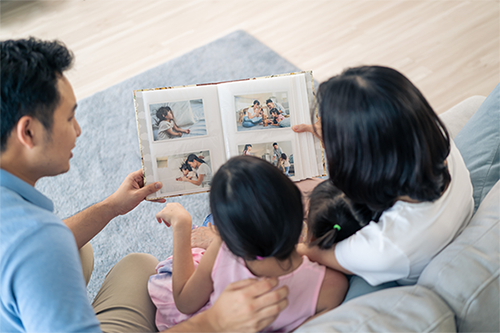
Balance out playtime with quiet bonding. Practice simple kid-friendly yoga or share stories over old family photos.
Sometimes you need quiet moments to help everyone relax and reconnect. These tasks teach mindfulness and family history.
1. Practice relaxing indoor yoga.
Explore movement, build strength, and calm the mind with a kid-friendly yoga video on YouTube like Cosmic Kids Yoga. Letting a video instructor lead the routine helps your child follow the poses correctly. Plus, gentle yoga can help them wind down right before nap time.
- Lay out a soft towel or mat on the living room floor.
- Search for a free "stretches for kids" or "preschool yoga" video on YouTube.
- Do the easy animal poses together, like acting like a sleepy cat or a tall tree.
2. Unearth family memories.
Share stories about when your preschooler was a baby or when you were younger by looking at old pictures together. Your 5-year-old should be able to answer simple questions about a book or story after you read or tell it to him. This quiet activity strengthens family bonds and can help build your child's vocabulary.
- Pull out old physical photo albums or scroll through your phone gallery.
- Point to relatives and ask your child to name them.
- Tell short, funny stories about the events in the pictures.
[H2] Why Play-Based Activities for Kids Matter
These fun activities for kids aren’t just time-fillers—they support real development. According to a 2018 report by UNICEF and the LEGO Foundation, play is actually one of the most important ways young children gain essential knowledge and skills.
Whether they’re giggling through a dance challenge or pretending to be a museum tour guide, these playful experiences create powerful learning opportunities across all areas of development. Here’s how:
- They learn to solve problems. Balancing on a cushion or searching for a hidden prize teaches them to test ideas, adjust, and try again.
- They build social skills. Taking turns during a family game night helps them learn to forge connections with others, share, negotiate, and resolve conflicts.
- They process big feelings. Engaging in pretend or "symbolic" play gives them a safe space to express their ideas, thoughts, and feelings, learn how to control their emotions, and gain a sense of competence.
Enjoy Stress-Free Activities for Kids
These activities for kids at home should be fun, not a source of anxiety. To keep things manageable, designate a specific play zone to contain the mess, and set a loose schedule—like 20 minutes of focused play before transitioning your preschooler to an independent activity or nap. You already have all the tools you need right at home to turn an ordinary day indoors into a fun, memorable learning experience.
Did one of these ideas make your child’s face light up? Share your messy, happy moments on the ParenTeam Moms and Dads Facebook group to inspire other parents to try these activities for kids at home.
By Michelle K. Alejandro. Expanded and updated by ParenTeam Philippines
Michelle is a professional writer, photographer, and content creator. Her work has been featured in newspapers, magazines, and online platforms around the globe. She has extensive experience writing articles covering lifestyle, health and wellness, family, parenting, and interior and event styling. She is the founder and author of the blog www.peanutbutterandglitter.com. In her spare time, Michelle loves to travel, spend time with her family, and go on fun and creative adventures with her daughter.
References
Heiskell, Elaine. "Introducing Yoga in Preschool." Edutopia. February 13, 2025. Accessed March 5, 2026. https://www.edutopia.org/article/teaching-yoga-preschool/.
UNICEF (North Macedonia). "Play Based Learning Activities for Children Aged 3 to 10: Help Children Continue Learning at Home." Accessed March 5, 2026. https://www.unicef.org/northmacedonia/play-based-learning-activities-children-aged-3-10.
Zubler, Jennifer M., Lisa D. Wiggins, Michelle M. Macias, Toni M. Whitaker, Judith S. Shaw, Jane K. Squires, Julie A. Pajek, et al. "Evidence-Informed Milestones for Developmental Surveillance Tools." Pediatrics 149, no. 3 (March 2022): e2021052138. Accessed March 5, 2026. https://doi.org/10.1542/peds.2021-052138.
Related articles

10 Bible Stories for Kids That Teach Values They Can Live By
Teaching big values to preschoolers isn’t easy. These Bible stories for kids bring concepts like patience and kindness in a way little minds can get.
13 mins to read

7 ₱500 Budget Ulam Ideas to Feed Your Family
Use these budget ulam ideas to cook hearty yet wallet-friendly meals for your family.
6 mins to read

15 Gifts for Kids Who Have Too Many Toys
Running out of space for toys? Try these thoughtful gifts for kids that focus on fun, learning, and family time without the clutter.
5 mins to read

10 Signs na Hiyang Ang Anak Sa Kinakain Niya
Makikita mo sa kilos, sa energy, at kahit sa pagtulog ng anak mo na hiyang ang anak mo sa kinakain nya!
7 mins to read

Sterilized Milk Benefits for Growing Kids: What Parents Should Know
Sterilized milk benefits your whole household, from safety to shelf life. Here’s what it offers your family and your growing kids.
5 mins to read

Does Your Preschooler Need Fresh Milk or Growing-Up Milk?
Fresh milk gives your preschooler a strong start—but does it cover everything they need? Here’s how to know if growing-up milk can help your child.
7 mins to read

6 Budget-Friendly Milk Products for Your Preschooler’s Baon
Milk products don’t have to strain your budget. Here are six affordable picks that fit your preschooler’s baon and their growing needs.
7 mins to read

6 Benefits of Protein in Milk for Preschoolers
Protein in milk gives your preschooler the fuel to play hard, grow strong, and fight germs—here’s exactly how it works and how much they need.
7 mins to read

Powdered Milk or Fortified Milk: What’s the Difference for Your Preschooler?
Powdered milk and fortified milk might seem similar, but they serve different purposes. Learn how they differ and which one your preschooler might need.
6 mins to read

Your 6 Ways to a Good Night’s Sleep
Have some problems with sleeping? Try these 6 tips for well-rested sleep.
3 mins to read

How to Build Your Child’s Attention Span
Nurture your child’s ability to concentrate from an early age—and give him the mental discipline to succeed in school and life
6 mins to read

Eat Healthy for a Good Immune System
Food is very important for a healthy immune system to fight all types of infections. What are the nutrients needed to keep us nourished?
3 mins to read

Why You Shouldn’t Force Picky Eaters – And What Works Better
Does your child refuse to a large variety of food? Learn the real issue behind picky eating, and how to get your child to warm up to healthier and more nutritious options.
4 mins to read

Why Play is Essential For Your Kid in Stressful Times
Check out this research-backed listicle of ways that play can ease tension and promote a more positive outlook for kids, particularly as the “post new normal” has upended their more carefree way of
6 mins to read

What to Do When Your Toddler Kicks, Hits or Screams
It's common for toddlers to throw tantrums and be aggressive. But you can teach them to control their temper even at a young age. Read this article to find out how.
4 mins to read

Natural and Organic Ways to Fight Colds, Fever and Flu
Medicine isn't the only remedy when your child comes down with a flu. We listed down practical, natural remedies that can help your child fight the dreaded fever and sniffles.
6 mins to read

8 Masustansyang Ulam Ideas for Your Preschooler’s Healthy Weight Gain
Consistent weight gain happens when you serve the right meals. Discover eight budget-friendly ulam ideas packed with nutrients for your growing child.
6 mins to read

6 Key Benefits of Milk to Fuel Your Active Preschooler
The benefits of milk go beyond strong bones—fueling energy, sharpening focus, and building immunity for your always-on-the-go preschooler.
6 mins to read

How to Improve Your Child’s Reading and Writing Skills - Without Drills!
Looking to further develop your child's reading and writing skills? Read these tips on how to support your child's learning journey, even from home!
5 mins to read


