


What Parents Should Look for When Choosing the Best Vitamins for Kids
Choosing the best vitamins for kids can feel confusing, Mommy. Maybe your anak only wants rice and fried chicken and leaves the veggies on their plate untouched, even after you’ve tried these easy meal ideas for picky eaters. Maybe Lola keeps saying they look payat, or a tita in the family group chat swears by the vitamin her kids take. Then rainy season comes, half the class is coughing, and that colorful bottle at the drugstore starts to look like the answer.
Before you buy, know this: whether your child is in preschool or already in big school, food gives them most of the nutrients they need. To help you decide, board-certified pediatric gastroenterologist and nutritionist Dr. Maika Noda Unarce shares when a vitamin helps, the four things to check on the label, and which mistakes to avoid. That way, you give your child what they truly need, without spending on something they don’t.
Why Food Should Come First for Your Child
Every meal you serve is already working hard for your growing child, Mom. “Whole foods deliver dietary fiber, antioxidants, and trace elements in a complex matrix that supplements cannot replicate,” explains Dr. Noda Unarce. In short, real food packs many nutrients together in every bite, and no vitamin can copy that mix.
A typical Filipino plate already covers a lot. Think rice for energy; fish, chicken, or eggs for protein; malunggay or kangkong for vitamins and minerals; a slice of papaya or saba for dessert; and a glass of milk for calcium. Healthy fats from bangus or sardines also help your child’s body absorb vitamins A, D, E, and K.
Need a simple guide? The Pinggang Pinoy shows you how to balance Go, Grow, and Glow foods, and these tips on how to eat a balanced diet make it easy to follow at home.
That’s why Dr. Noda Unarce is firm on one point: “Multivitamins should never serve as an ‘insurance policy’ for a poor diet...” Basically, vitamins for kids can’t make up for skipped meals. A colorful, balanced plate does more for your child’s growth than any bottle.
When Your Pedia Might Recommend a Vitamin
Some kids do need extra support, and knowing when they do helps you spend on a vitamin only when it truly helps your child. Dr. Noda Unarce says targeted supplements for kids make sense in situations like these:
- A deficiency confirmed by a lab test, such as iron deficiency anemia or low vitamin D levels
- A very limited diet, like severe picky eating, a strict vegan diet, or multiple food allergies such as cow’s milk protein allergy
- A long-term tummy or other health condition that makes it hard for the body to absorb nutrients
- Poor weight gain that needs close medical supervision
On the other hand, food should stay the focus if your child refuses vegetables at dinner but eats fruits, meats, and grains well and keeps growing steadily, she says. (Yes, even the kid who won’t touch ampalaya.) The same goes for a short appetite slump during a cough or cold, or smaller portions than you’d like while your child’s height and weight keep tracking steadily.
This means vitamins for picky eaters aren’t automatically needed, Mommy. Your pedia’s growth chart tells you more than a half-finished plate. If your child is growing well, you can breathe easy and focus on calmer mealtimes. Try these gentler ways to handle a picky eater without forcing food, or these budget-friendly ulam ideas for healthy weight gain if you’d like your child to fill out a bit.
Key Nutrients Many Filipino Kids Fall Short On

Many kids fall short on key nutrients, so ask your pedia for a blood test before choosing the best vitamins for kids.
Even kids who seem to eat “reasonably well” can miss certain nutrients, Dr. Noda Unarce says. Knowing which ones helps you fill your child’s plate with the right foods, especially the nutrients your growing child needs.
Iron and vitamin C
Iron helps carry oxygen through your child’s body, giving them the energy to play, learn, and grow. But meals that are mostly rice, with little red meat or liver, can leave your child’s iron stores low, Dr. Noda Unarce explains. Eating few vitamin C–rich fruits doesn’t help either, since vitamin C helps the body absorb iron.
The 2023 National Nutrition Survey (NNS) found that 78.6% of Filipino kids aged 3 to 5 don’t get enough iron from their food, and 64.6% fall short on vitamin C. Anemia is less common, though. The survey’s anemia results show that 4.8% of kids aged 36 to 47 months and 6.7% of kids aged 48 to 59 months are anemic.
So, many kids eat less iron than they need, but only a few are anemic. A blood test from your pedia can confirm whether vitamins for kids with iron are right for your child. In the meantime, Mommy, try pairing iron-rich ulam like giniling or atay with vitamin C–rich fruits like papaya or dalandan.
Vitamin C for kids also supports your child’s immune system. According to the American Academy of Pediatrics (AAP), it may slightly shorten colds for some people. It doesn’t prevent them, though, and vaccines are still the best protection against infections. In short, don’t expect immune vitamins for kids to keep every cough away.
Vitamin D
Vitamin D helps your child’s body absorb calcium for strong bones and teeth, and the AAP adds that it supports immunity, too. “Despite the sunny climate in the Philippines, indoor play, screen time, routine sunblock use, and limited consumption of fortified dairy products mean Vitamin D insufficiency remains surprisingly widespread,” says Dr. Noda Unarce.
The 2023 survey results don’t include vitamin D levels, but a 2021 study using 2018 National Nutrition Survey data checked them. It found that 60.6% of Filipino kids aged 6 to 12 in eight selected areas had deficient or insufficient vitamin D levels.
This means sunshine alone doesn’t guarantee enough vitamin D for kids, especially if your child spends most of the day indoors. Fish, pork, and eggs were the kids’ main food sources of vitamin D in the study, so serving them more often can help, Momma.
Calcium and zinc
Calcium for kids helps build strong bones and teeth as they grow. But many preschoolers drink less milk as they eat more solid food, Dr. Noda Unarce notes. Without regular dark leafy greens or fortified foods, their calcium intake drops.
The NNS data show that 67.8% of kids aged 3 to 5 don’t get enough calcium from food. Put simply, keeping milk and greens like malunggay on the menu helps cover your child’s needs. For more ideas, check out these nutritionist-approved tips for picky eaters, including how much milk your preschooler needs.
Zinc for kids matters just as much. It helps protect the gut lining and supports your child’s natural defenses, Dr. Noda Unarce explains. Yet diets heavy in refined carbs and ultra-processed snacks often lack it. Basically, swapping a bag of chichirya for a boiled egg at merienda is an easy way to help.
How to Choose the Best Vitamins for Kids
If your pedia does recommend a vitamin, Mom, the next step is picking the right one. “Label literacy is essential for safety and efficacy,” says Dr. Noda Unarce. So, knowing how to read the label helps you choose a vitamin that’s safe for your child and actually works. She suggests checking these four things before you buy any children’s vitamins.
FDA Philippines registration
“Look for a valid CPR (Certificate of Product Registration) or FR (Food Registration) number,” she advises. According to her, registration shows the product has gone through quality control and safety testing, and contains no banned substances or heavy metals. This gives you peace of mind that the vitamin passed safety checks before it reached your child.
Not sure? Type the product’s exact name into the FDA Philippines verification portal to double-check, especially before you buy online.
The right dose for your child’s age
Your child needs a different dose from an adult, so check that the age range on the label matches your child’s exact age. Kids’ nutrient needs follow set daily targets for their age, and “adult or broad-range formulas can easily lead to overdose,” Dr. Noda Unarce warns. Put plainly, sharing your own multivitamin or using an “all ages” bottle could give your child too much.
In the Philippines, these daily targets come from the Philippine Dietary Reference Intakes (PDRI), which also lists upper limits, such as 40 mg of iron a day for kids aged 3 to 5. This means more isn’t safer, Mom. Stick to the dose on the label or the one your pedia gives. Use the measuring cup or dropper that comes with the bottle, not a kitchen spoon, and recheck the dose whenever you switch brands.
Around 100% of the daily requirement
For a standard kids multivitamin, Dr. Noda Unarce says about 100% of the daily requirement is ideal, unless your pedia prescribes more for a specific deficiency. “Higher percentages do not equal better health and can strain kidney or liver function,” she says. In other words, a label that boasts a much higher percentage isn’t a better deal for your child, just extra work for their growing body.
Low sugar and fewer extras
Pick one with little added sugar and no unnecessary artificial dyes or allergens, Dr. Noda Unarce says, since less sugar protects your child’s teeth.
The World Health Organization (WHO) recommends that both kids and adults keep free sugars below 10% of their daily energy. Free sugars include added sugars and those in honey, syrups, and fruit juices. Sugars naturally found in fresh fruits, vegetables, and milk don’t count. Tooth decay is more common when free sugars go above that 10% level.
So, Mommy, every bit adds up, from the juice in your child’s baon to the drinks you serve at home to their morning vitamin. Keeping sugar low helps protect your child from painful cavities and costly trips to the dentist.
Chewable, Gummy, Liquid, or Syrup: Which Form Fits Your Child?
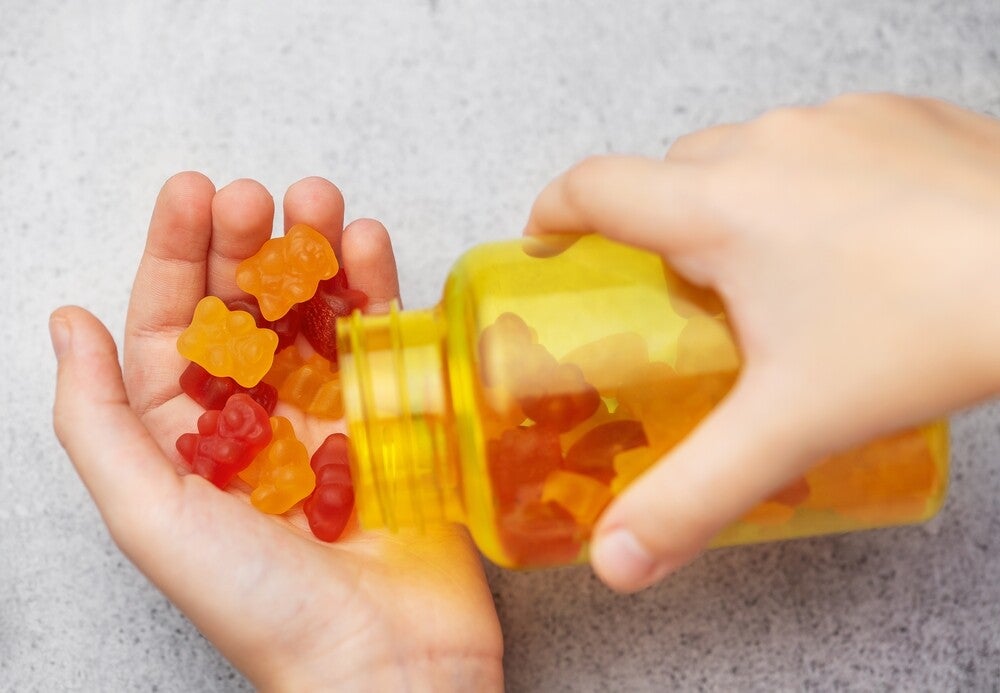
Syrups and chewables suit older toddlers, while gummies can be a choking risk for kids under 3 to 4 and stick to their teeth.
Once you know what’s inside, think about how your child will take it. The right form makes vitamin time easier for both of you, and safer for your child.
Dr. Noda Unarce says this depends on how well your child can swallow and chew. Drops are appropriate for babies to prevent choking, while syrups or chewables suit older toddlers, she explains. Put plainly, if your preschooler still fusses over tablets, a kids vitamin syrup may be the easier choice. Once they can chew well, chewable vitamins for kids are another option your pedia can suggest.
Wondering about gummies, Mommy? Dr. Noda Unarce warns that their chewy texture poses a choking risk for toddlers under 3 to 4 years old. They’re also sticky and sugary, clinging to teeth and raising the risk of tooth decay. She adds that gummy manufacturing makes heat-sensitive vitamins harder to stabilize, so the actual amount inside can vary more from what the label says.
Basically, the best vitamins for toddlers and younger preschoolers often come as a syrup or chewable, not a gummy. Ask your pedia which form suits your child’s age, to ensure every dose goes down safely.
Common Mistakes to Avoid When Giving Your Child Vitamins
Even with the right vitamin, a few common habits, often pushed by clever ads, can put your child at risk. “Strategic marketing often plays on parental guilt, making multivitamin supplements feel mandatory,” Dr. Noda Unarce says. In other words, ads can make you feel guilty for skipping vitamins, even when your child is thriving without them. Here’s what she wants you to watch out for.
Calling vitamins candy or treats
“Calling vitamins ‘sweets’ or ‘gummies’ creates a dangerous association,” she says. Simply put, if your child thinks vitamins are candy, they may go looking for more on their own. That can lead to accidental poisoning, especially with iron and vitamins A, D, E, and K, which build up in the body.
If your child swallows several vitamins at once, call your pedia or go to the nearest ER right away, and bring the bottle with you.
So, call vitamins what they are. Keep every bottle, kids vitamin gummies included, high up and out of your child’s reach.
Buying unverified imports online
It’s tempting to order that trending vitamin when other parents online rave about it. But Dr. Noda Unarce advises against buying imported supplements from unverified online shops based only on social media trends. According to her, these may have inaccurate labels, hidden additives, or doses beyond what a child’s kidneys and liver can safely handle.
A 2023 review on vitamin D toxicity in children notes that some vitamin D supplements exist as unregulated or unlicensed products. Though rare, too much vitamin D can raise calcium levels in the body, which can affect the kidneys and lead to problems like kidney stones. In short, a viral post isn’t a safe reason to add something to cart. Stick to FDA-registered products your pedia recommends.
Using vitamins to fix mealtime struggles
“Over-relying on a daily syrup can inadvertently remove the incentive to address underlying mealtime dynamics, sensory exposure to textured foods, or balanced meal planning,” Dr. Noda Unarce explains. This means that a daily syrup can make it easy to skip the harder work of helping your child enjoy different foods and textures.
A vitamin can’t teach your child to like gulay, Mommy. Patience, small tastes, and family meals together can, and those habits stay with your child long after vitamin time.
Let Your Pedia Guide Your Choice
The best vitamins for kids are the ones your child needs, alongside the home-cooked meals you already serve, Mommy. If your pedia does recommend one, look for FDA registration, a dose made for your child’s age, no more than about 100% of the daily requirement, and as little sugar as possible.
Before your child’s next checkup, jot down three questions: Does my child need a vitamin? Which nutrient are they missing? What dose and form are safe for their age? Pagkain muna, then vitamins if your pedia says so.
Want to hear how other parents handle vitamins and picky eating at home? Join the ParenTeam Moms and Dads Facebook group and ask fellow moms and dads what’s helped them find the best vitamins for kids.
About Dr. Maika Noda Unarce:
Dr. Maika Noda Unarce, MD, DPPS, DPSPGHAN, is a board-certified pediatric gastroenterologist, hepatologist, and nutritionist. She’s a diplomate of the Philippine Pediatric Society and the Philippine Society for Pediatric Gastroenterology, Hepatology, and Nutrition, and a member of the Asia Pacific Society for Pediatric Gastroenterology, Hepatology, and Nutrition. She holds clinics at St. Luke’s Medical Center–Quezon City, San Mateo Medical Center, and Providence Hospital.
Disclaimer: This article is for general information only and isn’t a substitute for personalized medical advice. Always check with your child’s pediatrician about what’s right for your child’s vitamin needs. The views and opinions expressed by the medical professional featured in this article are their own and don’t necessarily reflect the views of ParenTeam.
References
American Academy of Pediatrics. “Nutritional Supplements, Vitamins & Boosting Your Child’s Immunity.” HealthyChildren.org. Last modified April 17, 2026. Accessed October 20, 2026. https://www.healthychildren.org/English/healthy-living/nutrition/Pages/Do-Kids-Really-Need-Vitamins-or-Supplements-to-Stay-Healthy-and-Boost-Immunity.aspx
Angeles-Agdeppa, Imelda, and Keith V. Tanda. “Vitamin D Status and Usual Nutrient Intake of Filipino Children Aged 6–12 Years in Selected Areas in the Philippines: A 2018 National Nutrition Survey.” Journal of Nutrition and Metabolism 2021 (2021): 8515607. Nestlé Philippines funded the serum vitamin D analysis; the authors declare no conflict of interest. Accessed October 20, 2026. https://onlinelibrary.wiley.com/doi/10.1155/2021/8515607
Department of Science and Technology–Food and Nutrition Research Institute. “2023 National Nutrition Survey Part 2: Food Environment, Food Consumption.” DOST-FNRI, n.d. Accessed October 20, 2026. https://enutrition.fnri.dost.gov.ph/uploads/2023%20NNS%20Part%202%20-%20Food%20Environment,%20Food%20Consumption.pdf
Department of Science and Technology–Food and Nutrition Research Institute. “2024 National Nutrition Summit, Part 1.” Presented at the National Nutrition Summit Part I, December 10, 2024. Accessed October 20, 2026. https://enutrition.fnri.dost.gov.ph/uploads/2024%20National%20Nutrition%20Summit_Part%201.pdf
Department of Science and Technology–Food and Nutrition Research Institute. Philippine Dietary Reference Intakes 2015: Summary Tables. Revised September 2018. DOST-FNRI, 2018. Accessed October 20, 2026. https://fnri.dost.gov.ph/images/images/news/PDRI-2018.pdf
Food and Drug Administration Philippines. “FDA Verification Portal.” n.d. Accessed October 20, 2026. https://verification.fda.gov.ph
Levita, Jutti, Gofarana Wilar, Ika Wahyuni, et al. “Clinical Toxicology of Vitamin D in Pediatrics: A Review and Case Reports.” Toxics 11, no. 7 (2023): 642. Accessed October 20, 2026. https://pmc.ncbi.nlm.nih.gov/articles/PMC10385357/
World Health Organization. Guideline: Sugars Intake for Adults and Children. Geneva: World Health Organization, 2015. Accessed October 20, 2026. https://www.who.int/publications/i/item/9789241549028
Related articles

Will Lactose-Free Milk Be Enough for My Preschooler?
Lactose-free milk can ease your child’s bloating and loose stools, but does it give them enough of what they need to grow? A pediatrician and nutritionist answer.
6 mins to read

6 Healthy Drinks Even Picky Preschoolers Will Enjoy
Skip the soda and powdered juice with these healthy drinks for kids 3 and up. Each one is easy to make, easy on the budget, and easy for picky kids to love.
9 mins to read

How to Feed a Picky Eater: A Nutritionist’s Guide for Preschoolers
Raising a picky eater doesn’t mean giving up on healthy meals. Get practical, nutritionist-backed ideas to make mealtimes easier and more satisfying.
12 mins to read

Sterilized Milk Benefits for Growing Kids: What Parents Should Know
Sterilized milk benefits your whole household, from safety to shelf life. Here’s what it offers your family and your growing kids.
5 mins to read

Does Your Preschooler Need Fresh Milk or Growing-Up Milk?
Fresh milk gives your preschooler a strong start—but does it cover everything they need? Here’s how to know if growing-up milk can help your child.
7 mins to read

6 Budget-Friendly Milk Products for Your Preschooler’s Baon
Milk products don’t have to strain your budget. Here are six affordable picks that fit your preschooler’s baon and their growing needs.
7 mins to read

6 Benefits of Protein in Milk for Preschoolers
Protein in milk gives your preschooler the fuel to play hard, grow strong, and fight germs—here’s exactly how it works and how much they need.
7 mins to read

Powdered Milk or Fortified Milk: What’s the Difference for Your Preschooler?
Powdered milk and fortified milk might seem similar, but they serve different purposes. Learn how they differ and which one your preschooler might need.
6 mins to read

8 Masustansyang Ulam Ideas for Your Preschooler’s Healthy Weight Gain
Consistent weight gain happens when you serve the right meals. Discover eight budget-friendly ulam ideas packed with nutrients for your growing child.
6 mins to read

6 Key Benefits of Milk to Fuel Your Active Preschooler
The benefits of milk go beyond strong bones—fueling energy, sharpening focus, and building immunity for your always-on-the-go preschooler.
6 mins to read

10 Tipid Gift Ideas for Mothers that Dads and Kids Can Do Together
These creative gift ideas for mothers help you lead the kids in making something special. Learn how to pull off a heartfelt surprise on a budget.
6 mins to read

How to Create a 15-Minute Morning Routine Before the Kids Wake Up
A calm day starts with you. Build a quick morning routine to find quiet time before the household chaos begins, so you can respond to your kids with patience.
7 mins to read

Your Guide to Sugar Reduction to Raise Healthier, Happier Eaters
Forget strict sugar restrictions. Here's a more relaxed approach to sugar to keep your kid’s sweet tooth satisfied.
5 mins to read

Your Preschooler Eats Enough. But Are They Getting the Right Nutrients?
Even with regular meals, kids may miss out on essential vitamins and minerals. Here's how to spot the signs and feel confident about healthy meal planning.
6 mins to read

Brain Vitamins for Kids: What Matters for Thinking and Learning
Here's a list of the best brain vitamins for kids, which don't come in a bottle.
5 mins to read

Prebiotics vs. Probiotics: Which One Is Better for Your Child?
Here's a quick prebiotic vs. probiotic game: which one is the good bacteria, and which one is food to microbes? Read to know which one supports your child's gut health!
8 mins to read

Child Obesity Can Lead to "Adult" Diseases: How to Help Prevent It
Without early intervention, child obesity puts kids at risk for serious conditions at younger ages, not just later in life.
7 mins to read

Healthy Food for Kids: The Basics of Eating Well
Raise a preschooler to love all kinds of food! Learn the basics of balanced meals, smart snacks, and how to make nutritious food fun and stress-free.
7 mins to read

9 Fun Ways to Help Your Preschoolers Make Nutritious Food Choices
Choosing nutritious food is easier when you turn it into a fun game for your child. Learn how to empower your preschoolers to pick the right snacks today.
7 mins to read


