


From Gums to Grins: Why Teething is a Baby’s Developmental Power Move
Napansin mo ba na mas maraming drool, chewing, at may kaunting fussiness lately ang iyong little bulilit?
Welcome to teething, one of your little bulilit’s first big signs of growing up.
But teething isn’t just about the tiny teeth pushing through. It’s a developmental power move that builds strength, coordination, and readiness for the next stage of discovery—as well as their yummy taste adventures waiting ahead.
What’s Happening Beneath the Gums?
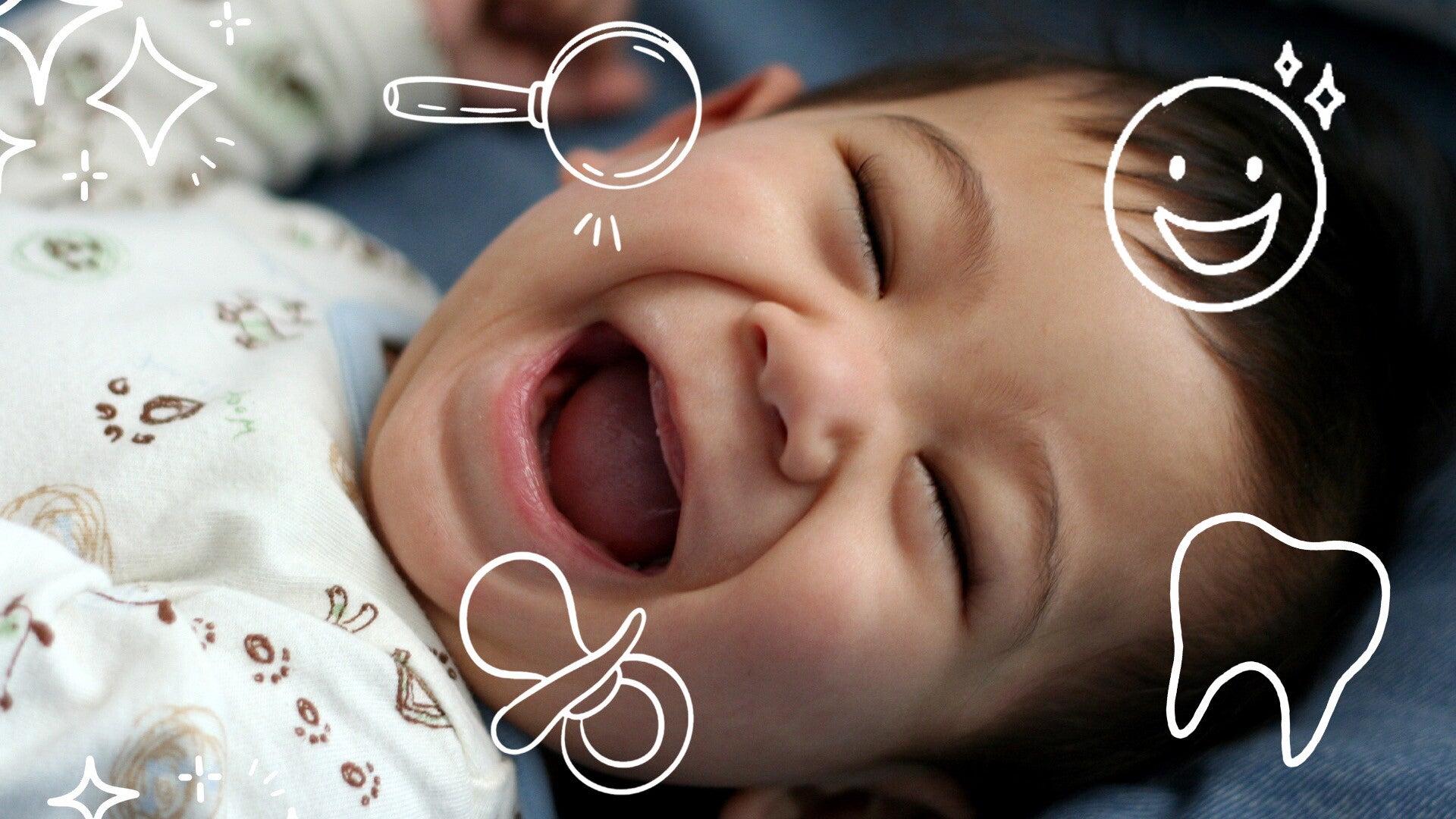
Around five months, many babies begin teething (though for some, it may come later). Even before those pearly whites appear, your baby’s jaws, gums, and mouth muscles are working hard.
Signs teething might be starting include:
- More drooling
- Chewing on hands, toys, or anything nearby
- Extra clinginess or disrupted sleep
- Tender, swollen gums
These are little clues that your bulilit’s body is busy growing and adapting.
Why Teething Matters Beyond the Teeth
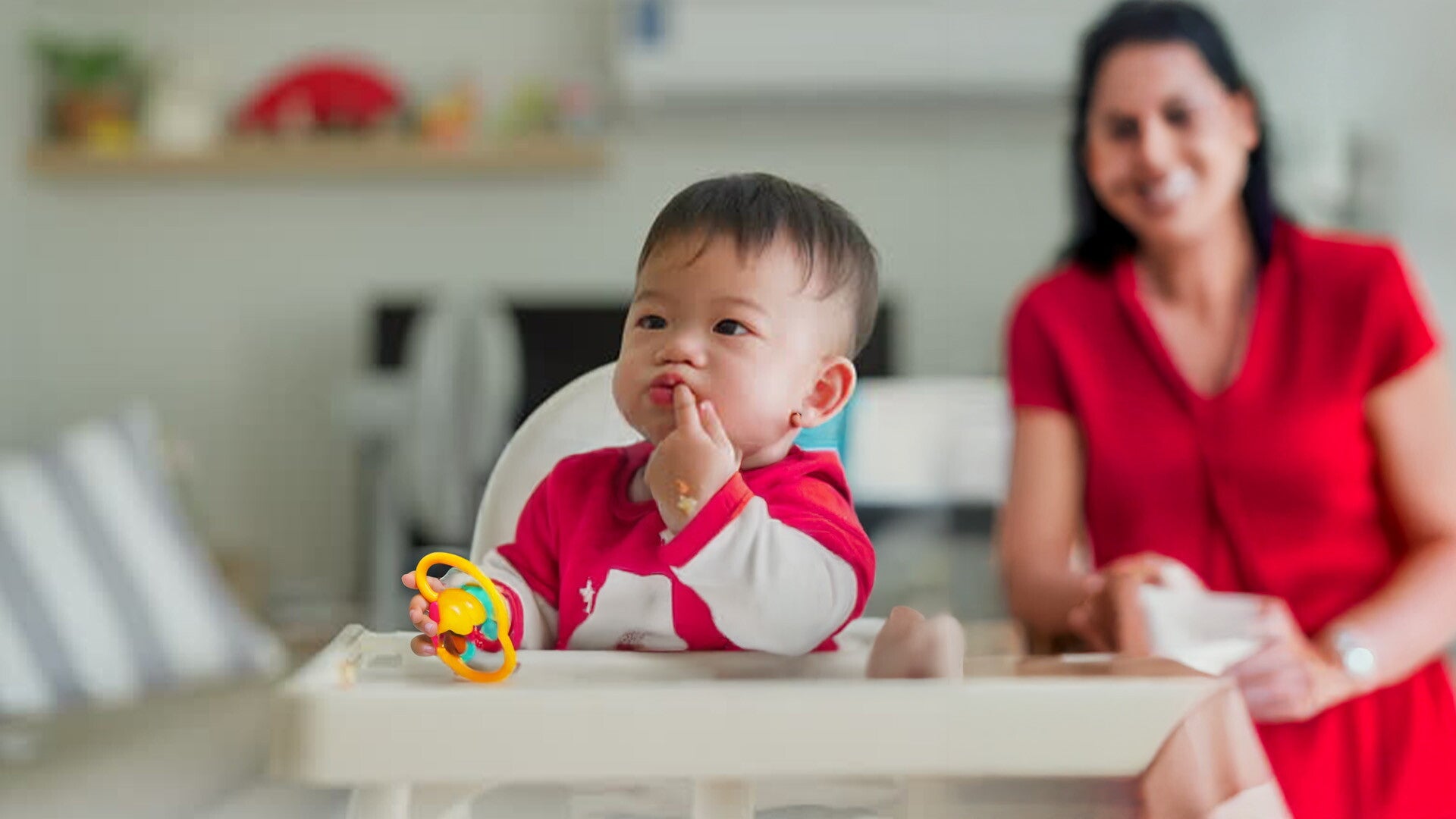
Teething does more than prepare for eating—it supports overall development:
- Builds oral strength for speech, coordination, and future chewing skills
- Improves hand-to-mouth coordination as baby learns to grasp and explore
- Provides a sensory workout, helping baby understand pressure, texture, and self-soothing
Messy? Yes. But every drooly chew is progress in motion.
Supporting Baby Through This Stage
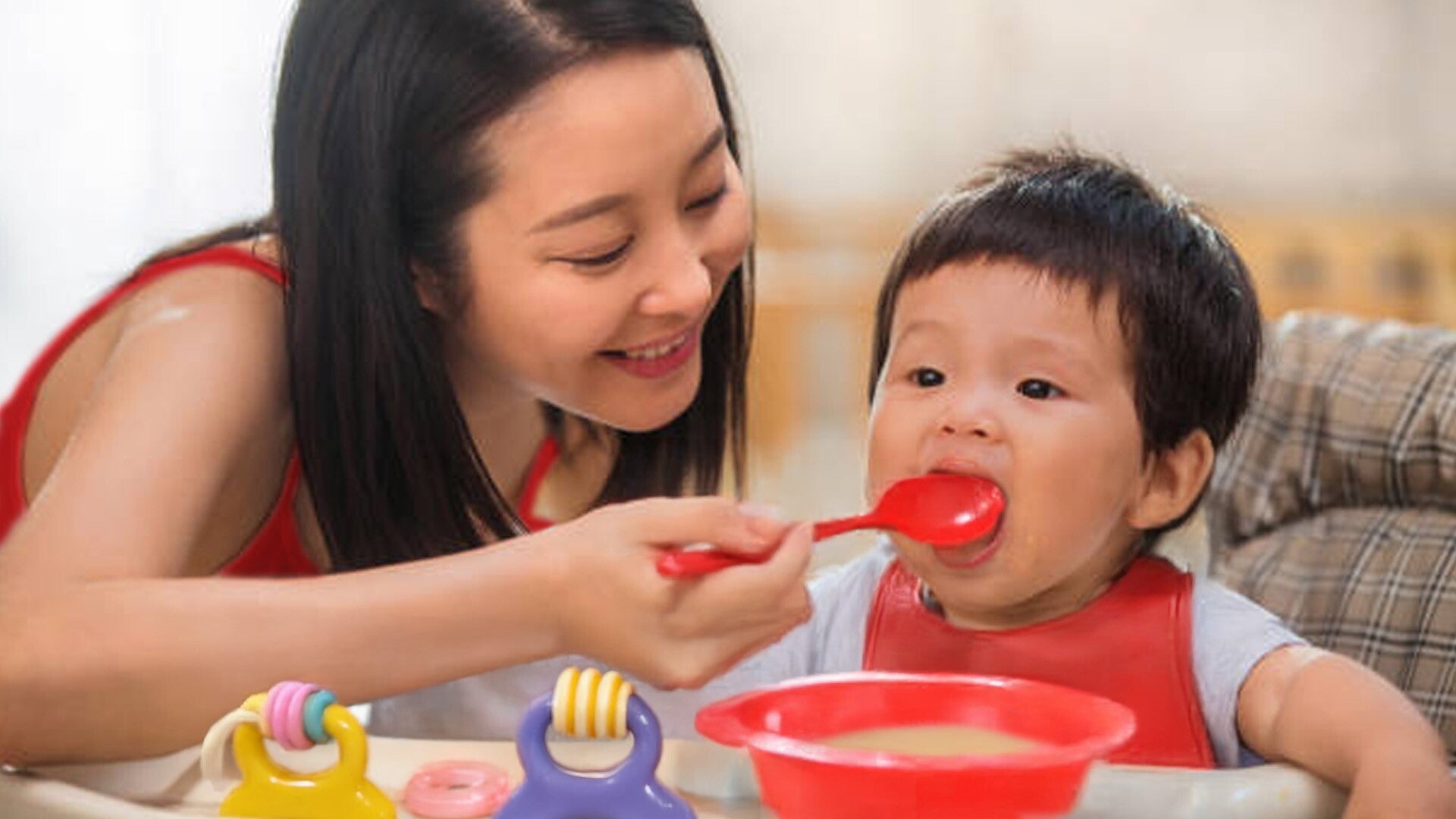
Make teething easier with safe, baby-friendly tools:
- Soft silicone teethers
- Chilled (not frozen) washcloths
- BPA-free chew toys
And of course, extra bibs and wipes for the drool!
On fussier days, nothing beats more cuddles and patience. Some days will be smooth, others will need extra snuggles. Both are part of the journey.
Your Role as the Comfort Zone
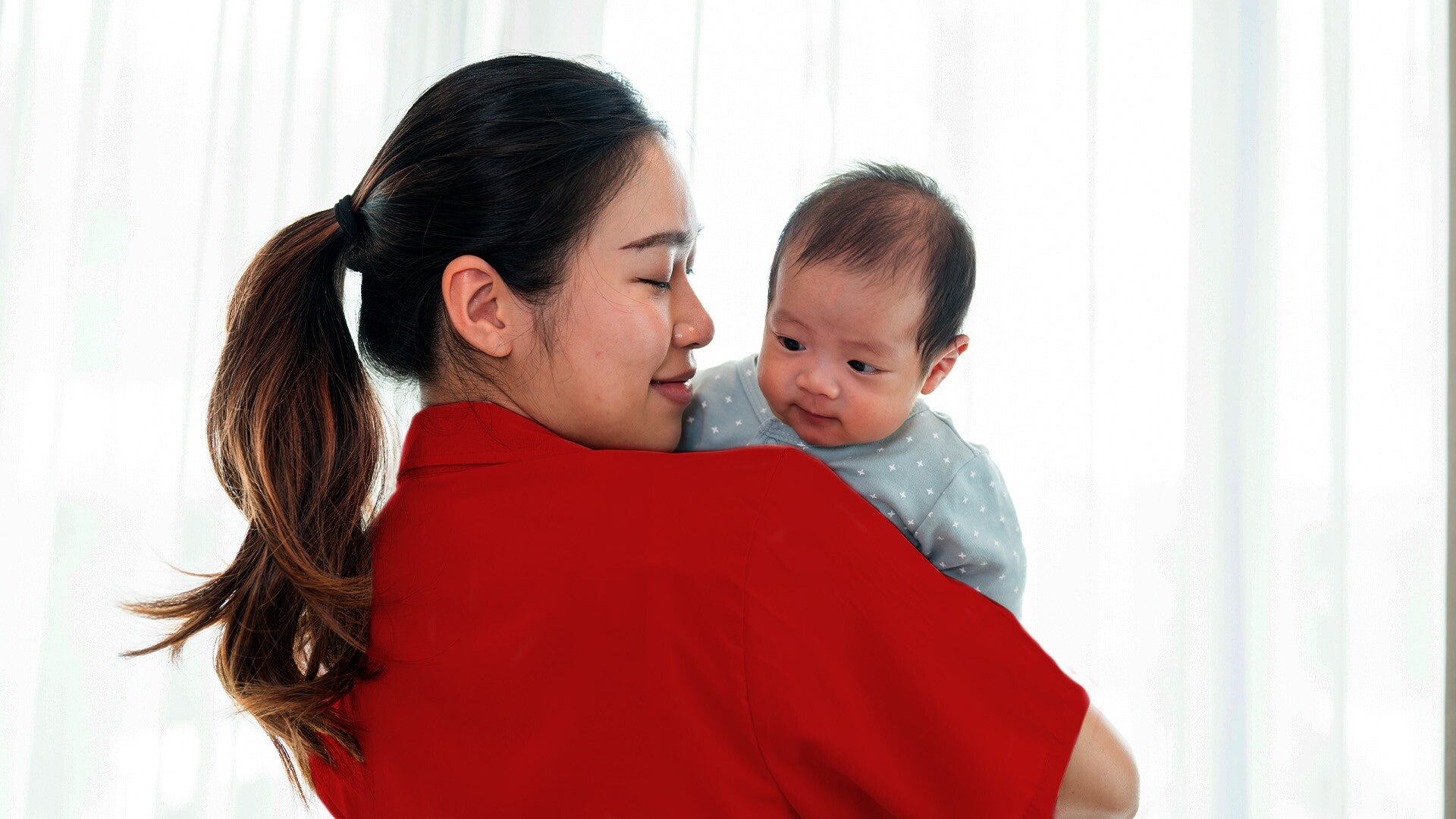
Teething can make babies more sensitive, and that’s okay. If your little bulilit wants to be held more, lean in.
Your calm voice, gentle touch, and steady presence are the comfort zone they need. No need for fancy tricks—just you. ‘Pag feel ng baby mo na safe siya with you, they’ll handle this transition with more confidence.
Final Thoughts
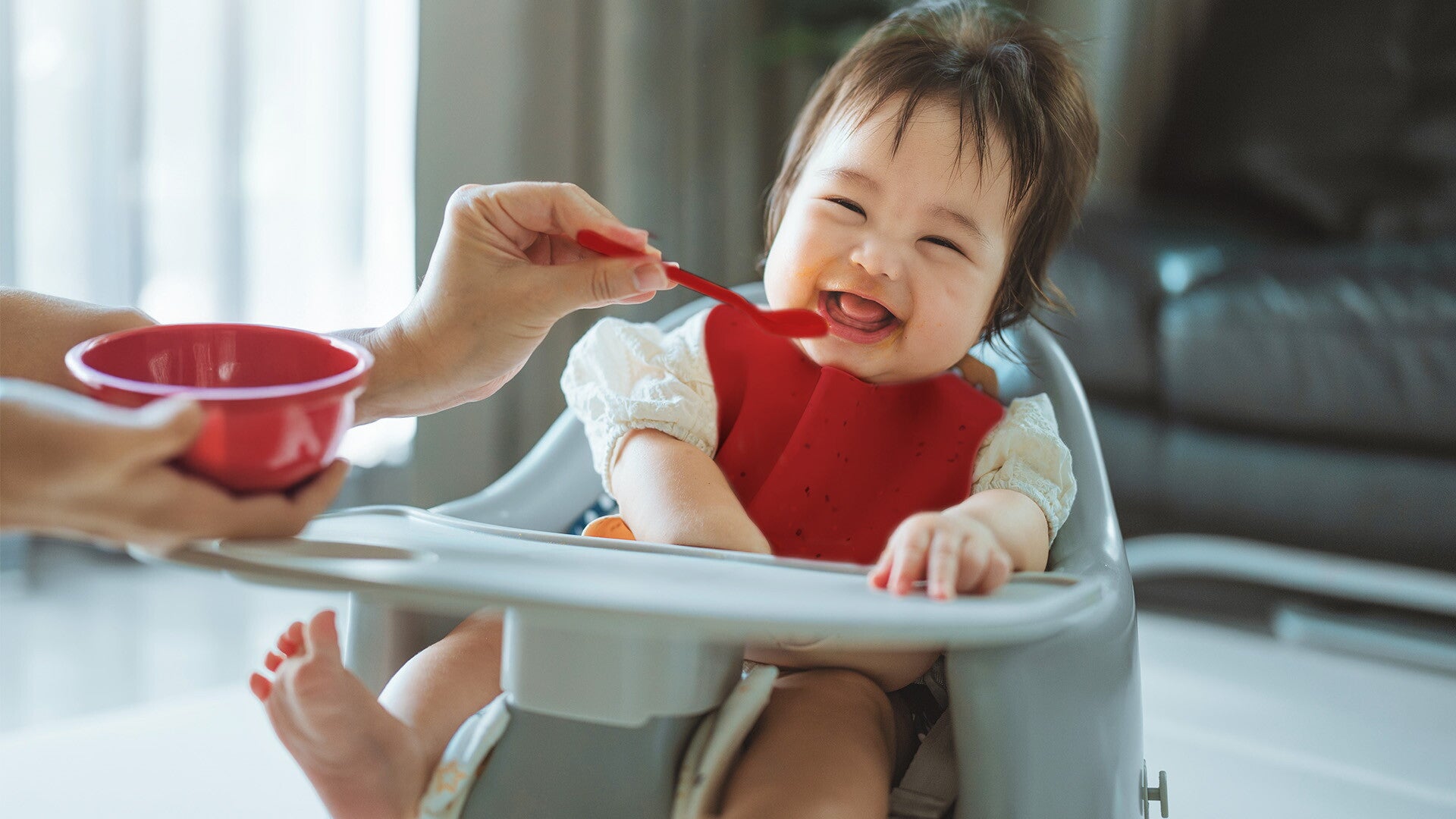
Teething is one of baby’s first big power moves—messy, emotional, and full of growth.
Whether it’s a gummy grin or a determined gum-chew, every drooly day means your little bulilit is getting stronger.


