


10 Fire Safety Tips to Keep Your Household Safe
Have you checked your home for hidden hazards lately? An overloaded outlet, unattended stove, or forgotten candle can put your family at risk. A fire can start in seconds and spread faster than you’d expect.
The good news is that most house fires are preventable. These fire safety tips help you reduce risk, prepare for emergencies, and protect the people who matter most.
1. Install Smoke Alarms in Key Areas
You need an early warning system because fires can happen late at night when everyone is asleep. Place smoke alarms inside bedrooms, outside sleeping areas, and on every level of your home. If the alarm goes off and there’s smoke, stay low to the ground as you move toward the exit, since smoke rises and clean air stays closer to the floor.
Check these alarms monthly by pressing the "test" button. Don’t forget to replace the batteries at least once a year. This simple tool can be a lifesaver when you only have a few minutes to get everyone out safely.
2. Keep a Fire Extinguisher Nearby
Keep a fire extinguisher in an easy-to-reach spot and make sure you know how to use it. You can follow the TPASS guide to remember the correct steps during an emergency:
- Twist the pin to break the seal
- Pull the pin
- Aim the nozzle at the base of the fire
- Squeeze the lever slowly
- Sweep the nozzle from side to side
Always check the pressure gauge monthly to make sure the needle is in the green zone, which means it is ready for use. Having an extinguisher ready allows you to react to these common household risks instantly.
3. Always Watch Your Cooking
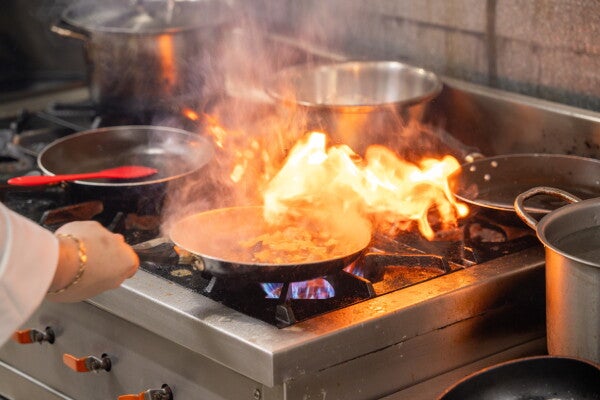
Important fire safety tips include always keeping an eye on your cooking, so you can act fast if a pan catches fire.
According to the Bureau of Fire Protection (BFP) NCR, open flames from cooking are a common cause of home fires. It goes without saying but: never leave your kitchen unattended while frying or boiling.
If you need to step away to answer the door or check on the baby, turn off the stove first. You should also keep a lid handy while cooking so you can quickly cover a pan if it catches fire.
4. Check Gas Lines and LPG Tanks Regularly
Gas leaks are invisible, and even a small one can cause a fire or explosion. Inspect your LPG hoses and connections for leaks regularly. You can use soapy water to check for bubbles on the hose; if you see bubbles, it’s time to replace the tubing immediately.
If you smell gas, turn off the source, open all windows for ventilation, and avoid switching on any lights or fans.
5. Place Flammable Items Away from Heat Sources
In a small kitchen, it’s tempting to leave dish towels near the burner, but this is a major hazard.
Keep curtains, paper, and cleaning products at least one meter away from stoves or candles. By maintaining this one-meter clearance, you’re creating a safety zone that prevents small sparks from turning into a large house fire.
6. Use Electrical Appliances Safely
Overloaded sockets cause many house fires in the Philippines. The recent BFP NCR data shows that electrical connections account for over 60% of recorded fires.
Avoid stuffing your outlets with too many connections. If you see flickering lights or smell something burning, unplug the appliance and have an electrician check it immediately. You should also replace any damaged cords that you notice on your fans or chargers.
7. Store Matches, Lighters, and Candles Properly
Place matches and lighters in a high cabinet where your children can’t reach them. If you use candles during a brownout, you should place them in sturdy holders and never leave them burning unattended.
It’s always safer to use battery-operated flashlights or emergency lights instead of open flames.
8. Create and Practice a Fire Escape Plan
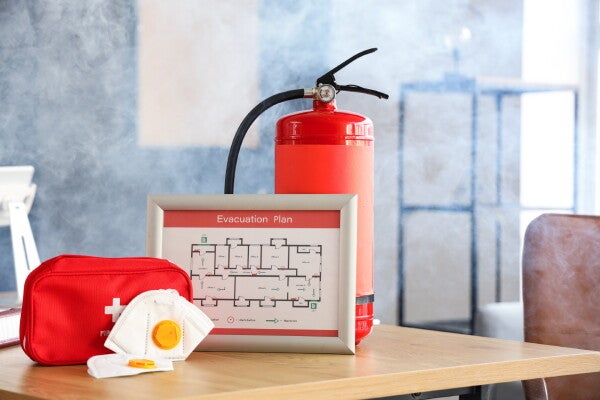
Having an escape route with your children ensures they know exactly which exits to use during a real emergency.
Walk through your house and find two exits for every room—a doorway or a window. Check that your windows open easily and aren't blocked by heavy furniture for a clear path to safety.
Then, pick a safe meeting point outside, like a neighbor’s gate or a nearby sari-sari store. Tell everyone to meet there if you ever have to leave the house quickly. This helps you account for every family member without running back inside.
It also helps to prepare for nighttime emergencies. Keep keys, slippers, and a flashlight near bedroom exits so you can leave quickly without searching in the dark. If you have pets, include them in your plan by keeping leashes or carriers near exits and assigning one adult to handle them during an evacuation.
Practice this plan with your kids and kasambahays. You’ve probably noticed that toddlers and preschoolers can get scared during loud noises, so keep the instructions simple.
9. Teach Your Kids Basic Fire Safety Rules
Explain to your children what the smoke alarm sounds like and what they should do when they hear it. Review your fire escape plan and route. You can also teach your children the Stop, Drop, and Roll move in case their clothes catch fire. Practice it on a rug or in the backyard until it becomes second nature.
The World Health Organization (WHO) notes that burns are a leading cause of childhood injury, but they’re entirely preventable through consistent fire safety education and the use of smoke detectors.
10. Support Your Local Community Programs
Join fire drills organized by your barangay during Fire Prevention Month in March. These events help you understand how to use fire extinguishers, put out common household fires, and head to safety zones. You’ll meet your neighbors and work together to keep the whole block safe.
A recent local study in International Journal of Disaster Risk Reduction found that media and community awareness are key to helping families feel ready and effective against fire risks (Kurata et al. 2023). When you know more, you feel more in control
You’re doing a great job by putting your family’s safety first. When you regularly practice these fire safety tips, you’re teaching your kids how to stay alert and ready. Being prepared for emergencies helps you protect your family and gives you peace of mind every single day.
Head over to the ParenTeam Moms and Dads Facebook group where you can ask questions, get advice, and share your own fire safety tips to help protect other families!
References
Asian Disaster Preparedness Center. n.d. "Reducing Fire Threats to Homes: Piloting Community-Based Fire Risk Assessment in Ban Hatsady Village." Safer Cities 9: Case Studies on Mitigating Disasters in Asia and the Pacific. Accessed February 2, 2026. https://www.adpc.net/igo/category/ID208/doc/2013-xds2Wj-ADPC-Safer_Cities_9.pdf
Dar, Carlito C. 2026. "Ensuring Fire Safety Is Everybody’s Responsibility, BFP Reminds." Philippine Information Agency, January 21, 2026. Accessed February 2, 2026. https://pia.gov.ph/news/ensuring-fire-safety-is-everybodys-responsibility-bfp-reminds/
Kurata, Yoshiki B., Ardvin Kester S. Ong, Yogi Tri Prasetyo, Reynalyn M. Dizon, Satria Fadil Persada, and Reny Nadlifatin. 2023. "Determining Factors Affecting Perceived Effectiveness among Filipinos for Fire Prevention Preparedness in the National Capital Region, Philippines: Integrating Protection Motivation Theory and Extended Theory of Planned Behavior." International Journal of Disaster Risk Reduction 85 (February): 103497. Accessed February 2, 2026. https://doi.org/10.1016/j.ijdrr.2022.103497
Palmer Asia. 2025. "An Analysis of Fire Incidents in the Philippines: Trends and Prevention." Trailblazers Newsletter, March 3, 2025. Accessed February 2, 2026. https://www.palmer-asia.com/trailblazers-newsletter/an-analysis-of-fire-incidents-in-the-philippines-trends-and-prevention


