



How Independent Play Builds a Resilient Child
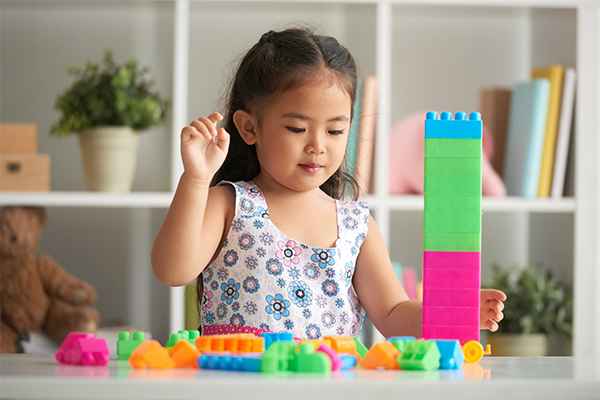
You’ve probably seen it before — your kid quietly focused, stacking blocks, flipping through a book, or turning everyday objects into their own little world.
In these moments, they’re not just playing — they’re learning.
Independent play gives kids the chance to explore, imagine, and solve small problems on their own, all while you stay close by for guidance and reassurance.
It doesn’t mean stepping away completely. Instead, it’s about giving your child the space to discover what they can do.
For preschool teacher Inna Corpuz, who has spent over a decade working with young children, these quiet moments of independence are essential.
“Kids learn confidence when they discover that they can figure things out on their own,” she explains.¹
Here’s how independent play supports your kid’s growth — and how you can start encouraging it at home.
1. It Teaches kids How to Solve Problems
When kids play on their own, they start experimenting.
Maybe a block tower keeps falling. Maybe a puzzle piece doesn’t fit right away. These small frustrations are actually learning moments.²
Instead of jumping in immediately, try giving your child a little time to figure it out.
Try this: Let your kid explore the backyard, stack blocks, or play with building toys while you watch from nearby.
You might be surprised at how creative their solutions can be.
(You can also discover other ways to support your kid’s learning at home in our expert tips for moms.)

2. It Strengthens Creativity and Decision-Making
When kids play independently, their imagination takes over.
A cardboard box becomes a spaceship. A play kitchen turns into a busy restaurant. These pretend worlds help children practice making decisions and thinking creatively.²
Try this:
Offer open-ended toys like:
- puzzles
- building blocks
- pretend play sets
- drawing materials
These encourage kids to explore ideas and create their own stories.
(If you’re looking for more ideas, explore simple activities that encourage creativity and learning through play.)
3. It Helps Kids Discover What They Love
Independent play also helps children discover their interests.
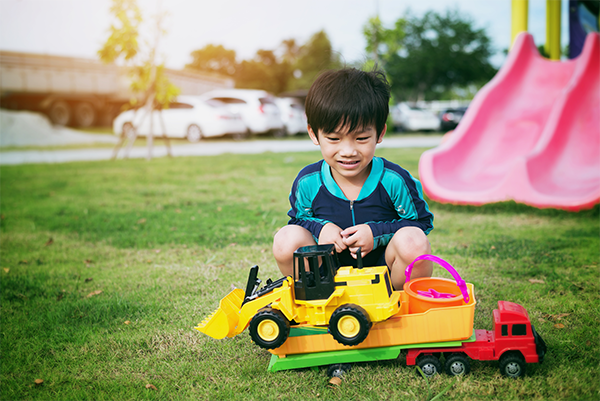
Corpuz recalls a student who loved tinkering with building toys during free play. What started as simple play later grew into a passion for robotics.¹
Moments like these remind us that free play often reveals what truly excites a child.
Sometimes, the interests they discover during play become the passions they pursue later in life.
(Supporting your child’s interests early on can shape how they engage with learning as they grow. Learn more about how to support your child’s development at every stage through our parenting resources.)


